


Meta's Mad Max AI Tent Empire: What This Means for PC Components and Gaming Hardware
Meta's going absolutely mental with their latest move. They're literally putting up tents — massive, industrial tents — across the US to house AI servers. We're talking structures that look like something straight out of Mad Max, complete with jet engines for power generation. No joke.
This isn't some quick weekend camping trip setup either. These things take three months to build, which honestly sounds fast when you consider normal data centers take two to three years. But here's the kicker — they're bringing their own power instead of tapping into the electrical grid. Jet. Engines. For. Power.
Why Meta's Gone Full Apocalypse Mode
Look, I get it. AI training requires insane amounts of compute power, and traditional data center construction is slower than my teammates rotating in CS2. But this tent approach? It's wild.
The company's basically saying "screw waiting for permits and construction timelines, we need compute NOW." When you're burning through billions training GPT competitors and metaverse nonsense, every month counts. Time is money, and Meta's got both to burn.
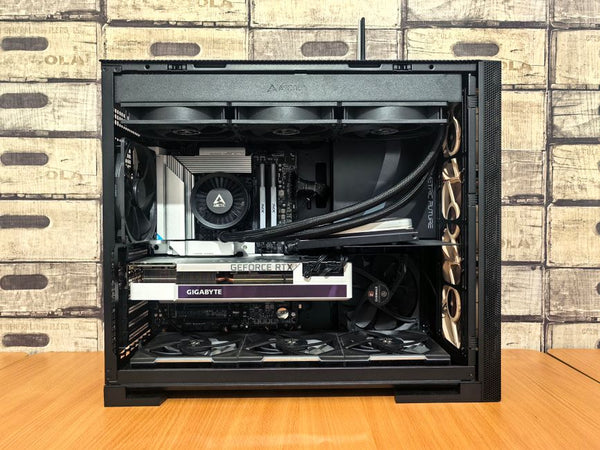
Think about it from a hardware perspective. These aren't your typical gaming rigs we configure at our shop here in Orange, TX. We're talking about server farms packed with custom silicon, specialized cooling systems, and networking gear that costs more than most people's houses. Moving that kind of operation into temporary structures? That takes serious engineering.
The PC Components Connection Nobody's Talking About
Here's where this gets interesting for us regular folks building gaming PCs. All this demand for AI compute is absolutely wrecking the hardware supply chain. Remember the GPU shortage during crypto's peak? This is potentially worse.
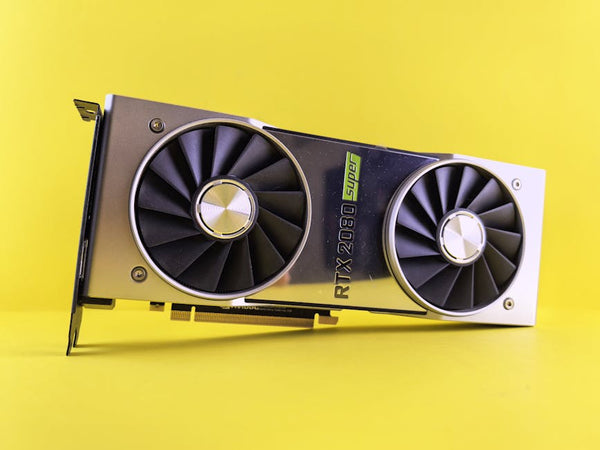
Meta's hoarding GPUs like they're toilet paper in 2020. NVIDIA's H100s, A100s, and whatever comes next — they're all getting vacuumed up by big tech. Even consumer-grade RTX 4090s are getting repurposed for AI workloads by smaller companies who can't get their hands on server hardware.
Personally, I think we're heading for another GPU drought. The signs are all there. Prices on high-end cards have been creeping up, and availability's getting sketchy on certain models. If you're planning a build and need serious graphics horsepower, don't wait.
Power Demands That Make Gaming Rigs Look Cute
Those jet engines aren't for show. Each of these tent operations probably pulls more power than entire neighborhoods. A single H100 GPU can consume 700 watts under full load. Now multiply that by thousands of units per facility.
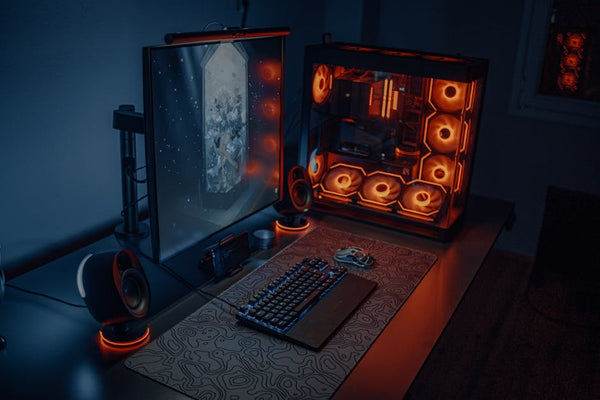
Your RTX 4070 pulling 200 watts? That's adorable. These AI training clusters make our most power-hungry gaming builds look like they're running on AA batteries. The cooling requirements alone are insane — we're talking industrial-grade systems that make custom loop cooling look like a desk fan.
What This Means for Gaming Hardware Prices
Hot take: this tent strategy is going to accelerate the GPU shortage timeline. Meta's cutting construction time from years to months, which means they're going to be ordering components at an absolutely blistering pace.
The semiconductor fabs can't just magically produce more chips overnight. TSMC's already running at capacity, and everyone from Apple to NVIDIA to AMD is fighting for wafer allocation. When Meta comes knocking with their blank checks and rushed timelines, guess who gets priority?
Not us. Not the gaming market. Not the enthusiast builders who just want a solid 1440p experience in Cyberpunk 2077.
A single AI training run can use more compute power than thousands of gamers combined over months of playing.
The Memory Situation Gets Spicier
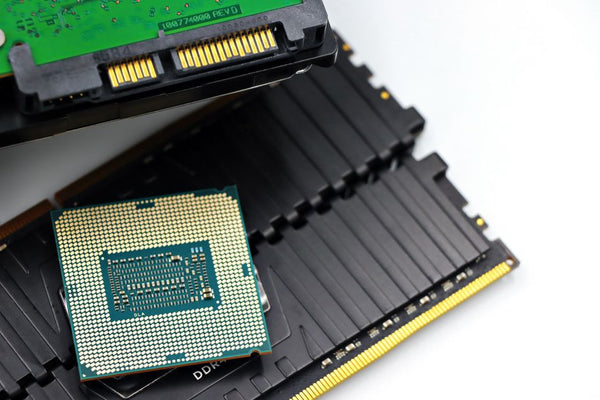
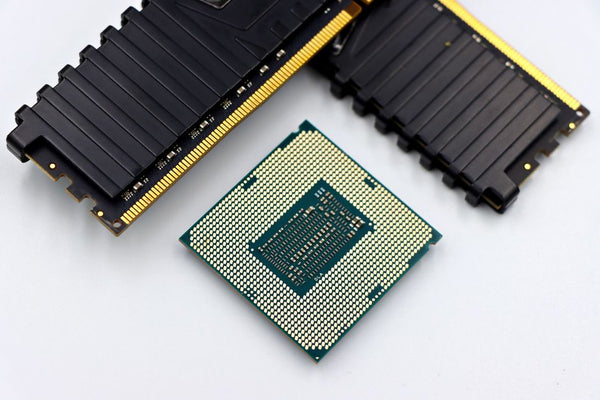
RAM and storage are getting hit too. These AI workloads need massive amounts of high-bandwidth memory. We're talking about systems with 1TB+ of RAM running at insane speeds. That's putting pressure on memory manufacturers who are already dealing with datacenter demand.
DDR5 prices have been relatively stable lately, but don't expect that to last. When Meta's ordering memory by the shipping container, it affects everyone down the chain. Even basic gaming builds might feel the pinch.
The Bigger Picture: Infrastructure Madness
This whole tent situation highlights something crazy about the current AI arms race. Companies are so desperate to get compute online that they're willing to bypass traditional infrastructure entirely. No grid power? Bring jet engines. No permanent building? Throw up an industrial tent.
It's honestly kind of impressive and terrifying at the same time. The level of resources being thrown at AI development right now makes the dot-com bubble look conservative. Meta's essentially building temporary cities of compute power scattered across the country.
The question is: what happens when this AI bubble bursts? Because it will. They always do. Will we suddenly have surplus server hardware flooding the market? Or will these companies just pivot to the next big thing and keep the hardware shortage going?
Regional Impact on Tech Availability
Here in Texas, we're already seeing some weird supply chain effects. Certain enterprise-grade components that occasionally made their way into enthusiast builds are just gone. Server PSUs that modders used to love for their efficiency? Nowhere to be found.
Even basic stuff like high-quality case fans and cooling solutions are getting harder to source when industrial buyers start sweeping the market. It's not just about GPUs anymore — it's the entire ecosystem of PC components getting stress-tested by unprecedented demand.
Gaming Performance in the Age of AI Tents
So what does all this mean for actual gaming performance? Well, if you're running older hardware, you might want to think twice before upgrading right now. The price-to-performance ratio is getting worse, not better.
Mid-range cards that used to be sweet spots for 1440p gaming are now overpriced because the high-end market is so constrained. The RTX 4060 Ti should be a $300 card, but it's not. Supply chain pressure trickles down to every price tier.
Honestly, unless you're building something for competitive FPS where every frame matters, I'd consider waiting. The current hardware market is lowkey busted for consumers. Companies like BitCrate Custom Gaming PCs are doing their best to find good value configurations, but the underlying economics are just brutal right now.
Frame Rate Reality Check
That 240Hz monitor you've been eyeing? Make sure you can actually feed it frames before dropping the cash. With GPU prices inflated by AI demand, achieving consistent high refresh rates is getting expensive fast.
We're in this weird spot where displays got cheap but the hardware to drive them got expensive. A 1440p 165Hz panel costs less than ever, but a GPU that can actually max it out in modern games? That'll cost you.
The math just doesn't work the same way it did two years ago. Budget builds that could hit 144fps in competitive titles now struggle to maintain 120fps without significant compromises. It's not that the hardware got worse — it's that everything shifted upmarket due to external demand.
Meta's tent cities represent something bigger than just one company's infrastructure strategy. They're a symptom of an industry that's burning through resources faster than they can be produced. For us gamers and PC builders, that means navigating a market where normal rules don't apply anymore. The apocalyptic imagery of those Mad Max tents might be more accurate than we'd like to admit.








Leave a Comment