


Breaking Down the Insane 768GB Optane LLM Build: GPU Review Meets Memory Magic
Holy crap, did you see that Reddit post? Some absolute madman just ran a 1-trillion parameter LLM using 768GB of Intel Optane memory sticks as RAM, paired with a single GPU. We're talking about achieving 4 tokens per second on the Kimi K2.5 model locally. That's like pulling off a turn-one win in Magic with a janky combo deck nobody saw coming.
As someone who's been building PCs for years and collecting cards even longer, this build hits different. It's the equivalent of finding a Black Lotus at a garage sale — technically possible, but you've gotta know what you're looking at.
What Makes This GPU and Memory Combo Actually Work
First things first: this isn't your typical gaming rig. When most folks think about AI workloads, they picture those $40k NVIDIA H100 cards that cost more than a decent car. But here's the twist — this build proves you can get creative with older enterprise hardware.
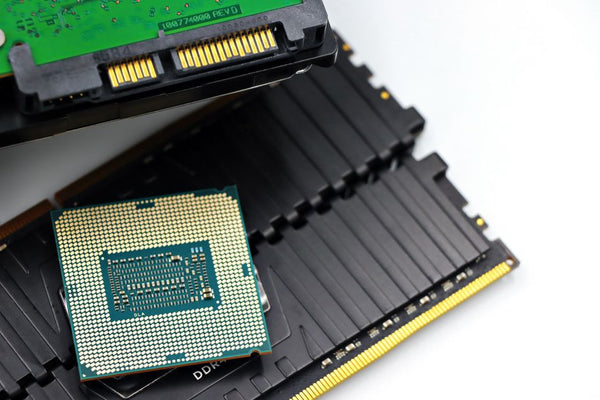
The magic happens with Intel Optane Persistent Memory DIMMs. These aren't standard DDR4 sticks. Nope. They're weird hybrid storage-memory modules that Intel discontinued, which means they're flooding the used market for relatively cheap. Think of them like revised dual lands in MTG — expensive when new, but once they rotate out of Standard, suddenly accessible.
Here's what's actually happening under the hood:
"The system treats those 768GB of Optane PMem as extended RAM, creating enough memory space to hold the entire 1-trillion parameter model without constantly swapping to storage."
Personally, I think this is brilliant engineering. Most consumer setups max out at 128GB of DDR4, which means running massive models requires constant data shuffling between system memory and VRAM. It's like trying to play a 250-card singleton deck with only a 7-card hand — technically possible, but painfully slow.
CPU Benchmark Reality Check: Processing Power Meets Memory Bandwidth
Now let's talk about the elephant in the room. 4 tokens per second sounds slow, right? For comparison, ChatGPT spits out responses way faster than that. But context matters here.
Running inference on a trillion-parameter model locally is absolutely bonkers. Most people can't even download models that big, let alone run them. The fact that this setup achieves any reasonable speed while keeping everything on-premises? That's genuinely impressive.
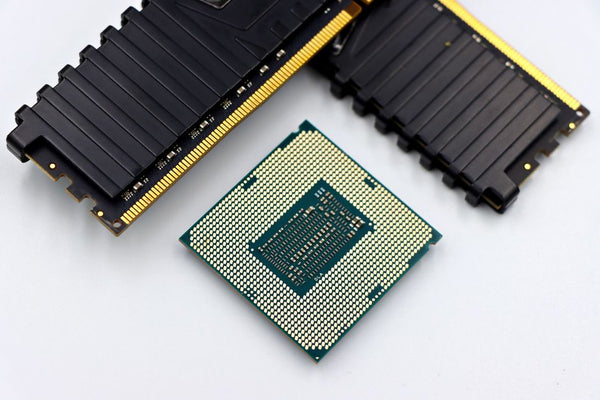
The CPU in this build probably isn't anything special — likely a Xeon that supports enough memory channels to handle all that Optane. But here's where it gets interesting: the bottleneck isn't processing power. It's memory bandwidth and latency.
Optane PMem sits somewhere between traditional RAM and NVMe storage in terms of speed. It's faster than any SSD but slower than DDR4. Think of it as that mid-tier card that's not broken enough for competitive play but still does work in the right deck.
Why This Build Actually Makes Sense
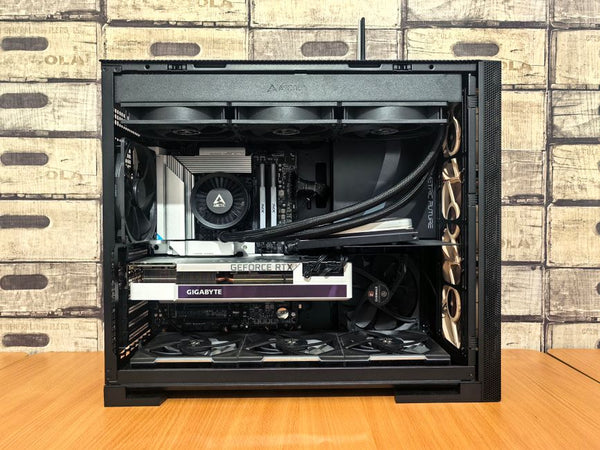
When I was helping configure builds at our TieredUp Tech shop in Orange, TX last week, a customer asked about AI workloads. Most budget-conscious enthusiasts assume they need a RTX 4090 or better to even think about running large language models. This Reddit build proves that's not always true.
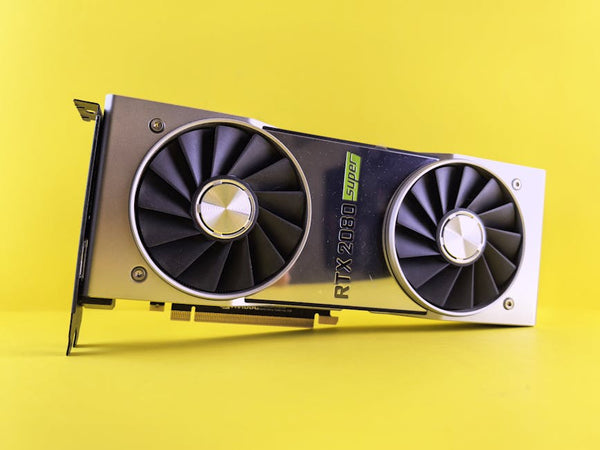
The single GPU here isn't doing all the heavy lifting — it's probably handling the actual computation while the massive Optane array provides the memory workspace. It's like having a combo deck where your graveyard becomes an extension of your hand.
Hot take: this approach might actually be more viable than traditional setups for certain use cases. Sure, it's slower than enterprise solutions, but it's also way cheaper and runs on hardware you can actually buy.
Gaming Performance vs AI Workloads: Different Beasts Entirely
Here's where things get spicy. Can you game on this monster? Probably, but that's missing the point entirely.
Traditional gaming rigs focus on high-frequency memory, fast single-core performance, and GPU horsepower. AI inference workloads care more about memory capacity and bandwidth. They're optimizing for completely different metrics.
It's like asking whether a control deck can aggro. Sure, technically possible, but you're using the wrong tool for the job. This build sacrifices gaming performance for something way more niche but arguably more interesting.
The beautiful part? You could probably build something similar for under $3000 if you hunt for used Optane sticks. Compare that to a proper AI workstation that costs six figures. Common-tier builds starting under $800 obviously can't touch this kind of capability, but they'll game circles around it.
The Real Innovation Here
What excites me most isn't the raw specs. It's the creative problem-solving. Someone looked at discontinued enterprise memory, figured out how to make it work with consumer hardware, and achieved something that shouldn't be possible at this price point.
That's pure builder energy right there. It reminds me of those players who top-8 tournaments with budget brews while everyone else is running $500 meta decks.
Honestly, I'm curious whether this approach scales. Could you run even larger models with more Optane? What about clustering multiple systems like this? The possibilities feel endless, which is both exciting and terrifying.
Should You Actually Build This?
Real talk: probably not. Unless you specifically need to run massive language models locally, this build makes zero sense for normal users. It's specialized hardware for a specialized use case.
But that's exactly why it's cool. We need more builders pushing boundaries and trying weird stuff. The gaming industry moves forward because people experiment with unconventional approaches.
If you're serious about AI workloads, though? This Reddit post just opened up a whole new possibility space. Shop GPUs at TieredUp Tech and you'll find plenty of options that could anchor a similar build, assuming you can source the Optane memory.
Will we see more builds like this? I'm betting yes. As AI becomes more mainstream and people want local control over their models, creative solutions like this Optane setup will become more attractive. Plus, enterprise hardware eventually trickles down to enthusiasts — it's the circle of tech life.
The future's looking wild, and I'm here for every minute of it.










Leave a Comment