


Why the $2.5 Billion Supermicro Bust Should Make PC Builders Rethink Their Component Sources
Holy shit, bro. If you haven't heard about the massive Supermicro smuggling bust yet, you need to wake up. We're talking about a $2.5 billion operation that got completely demolished, and now even Nvidia's CEO Jensen Huang is telling companies to get their export compliance act together. This isn't just some corporate drama — it's about to shake up how we source PC components and gaming hardware in ways most builders haven't even considered.
The whole situation blew up when authorities discovered that Supermicro was allegedly involved in dodging U.S. export controls to ship AI GPUs to China. Taiwan's jumping on the crackdown bandwagon too. Honestly? It was bound to happen.
What Actually Happened With the Export Control Drama
So here's the tea. Supermicro, the server company that's been around forever, got caught up in what investigators are calling one of the biggest export control violations in recent history. They were supposedly moving high-end AI accelerators through sketchy channels to bypass U.S. restrictions on China.
Jensen Huang didn't mince words when reporters cornered him at Songshan Airport. Dude straight up said Nvidia "insists its partners follow U.S. trade rules." Translation: comply or get cut off from the GPU supply chain. That's a big fucking deal when Nvidia controls like 80% of the AI chip market.
But here's where it gets interesting for us regular PC builders. This crackdown isn't just hitting the big corporate players. Taiwan's also starting to scrutinize smaller operations that might be funneling computer parts through questionable channels. The ripple effects are already hitting component availability and pricing.
Why This Matters for Your Next Gaming Build
You might be thinking, "Marcus, I just want to build a sick gaming rig, not run some international smuggling operation." Fair point. But this stuff directly impacts what GPUs you can actually buy and how much you'll pay.
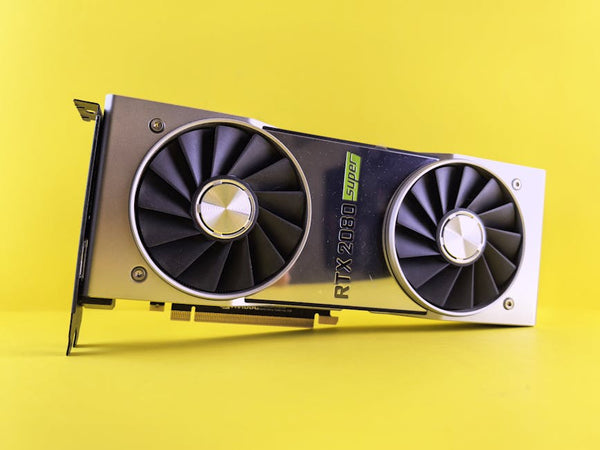
Remember the RTX 4090 situation? Those cards were getting exported to China through various workarounds, which created artificial scarcity in the U.S. market. Same thing happened with some high-end server components that gamers love to repurpose. When export controls get enforced properly, it changes the entire supply dynamic.
Personally, I think this crackdown is going to create some wild price swings over the next 6-12 months. Cards that were being diverted overseas might suddenly flood back into domestic markets. Or we might see certain models become stupid expensive if manufacturers have to completely restructure their distribution.
The Gray Market Component Problem
Here's something most builders don't realize: a decent chunk of "new" computer parts sold online come from gray market sources. These aren't necessarily stolen or counterfeit, but they might be components that were meant for different markets, industrial applications, or OEM builds that got diverted.
I've seen this firsthand when customers bring me builds they bought from questionable sellers. The RTX 3080 that was supposedly "brand new" turns out to be a mining card that got reflashed. The "server-grade" RAM is actually enterprise pulls with zero warranty coverage.
With authorities cracking down harder on export violations, these gray market channels are going to dry up fast. That's probably good for consumers long-term, but it's going to make finding deals way harder in the short term.
Pro Tips for Navigating the New Component Landscape
So how do you build smart when the supply chain is getting turned upside down? First rule: stick to legitimate retailers. I know that eBay listing for a "brand new" RTX 4080 at 30% off looks tempting, but ask yourself why it's so cheap.
When I'm helping customers at our shop here in Orange, TX, the first thing I tell them is to verify their components are coming from authorized distributors. Shop GPUs at TieredUp Tech if you want that peace of mind, but honestly, any reputable local shop should be able to show you their supply chain.
Hot take: this is actually going to make building PCs more expensive in the short term, but better in the long run. When gray market components get squeezed out, you're left with properly warranted parts from legitimate channels. That $50 you save buying sketchy RAM isn't worth the headache when it dies six months later.
Watch Out for These Red Flags
There are some dead giveaways that components might be coming from questionable sources. Pricing that's way below MSRP from unknown sellers is obvious. But also watch for:
- Components with weird packaging or missing original boxes
- GPUs with custom firmware that can't be updated
- Memory modules with mismatched heat spreaders or labels
- Sellers who can't provide proper invoices or warranty documentation
Ngl, I've seen some wild stuff over the years. Customer brought me a "RTX 3070" that was actually a 2060 with a reflashed BIOS. Another time someone got a "new" motherboard that had clearly been used in a server farm for months.
The Bigger Picture: Gaming Hardware Getting Political
This whole situation shows how gaming hardware has become genuinely political. When governments are dropping $2.5 billion smuggling busts over graphics cards, you know we're not just talking about gaming anymore.
AI demand has completely warped the GPU market. Cards that used to be purely for gaming are now strategic resources that countries fight over. It's honestly kind of surreal when you think about it. The RTX 4090 you want for Cyberpunk 2077 is the same chip that's powering military AI research.
But here's what I'm genuinely uncertain about: will this enforcement actually stabilize prices, or just create new bottlenecks? On one hand, cutting off gray market exports should increase domestic supply. On the other hand, manufacturers might just raise prices to match the restricted supply.
Taiwan's crackdown adds another layer of complexity. They're a major hub for component manufacturing and distribution. If they start scrutinizing every shipment, it could slow down legitimate supply chains too.
What This Means for Enthusiast Builders
For us hardcore builders, this creates both challenges and opportunities. The challenge is obvious: fewer sketchy deals, higher prices, more scrutiny on component sources.
The opportunity? A return to more predictable supply chains and pricing. When the gray market gets squeezed out, manufacturers have better data on actual demand. That should lead to more stable production cycles and fewer of those boom-bust availability swings we've been dealing with.
Honestly, I'm cautiously optimistic. The wild west era of GPU sourcing was exciting but exhausting. Having clearer rules and enforcement might make planning builds way less of a headache.
Plus, legitimate retailers might actually be able to compete on service and support instead of just racing to the bottom on price. When I'm working with customers who need phone & tablet repair in Orange TX, I always emphasize the value of working with someone who'll still be there when you need help.
The Road Ahead: Preparing for Component Market Changes
So what's a smart builder supposed to do right now? First, don't panic buy. This isn't the crypto mining boom where GPUs disappeared overnight. Supply chains will adapt, they just need time.
Second, build relationships with legitimate retailers. Find shops that source properly and stick with them. Yeah, you might pay slightly more, but you'll avoid the headache of dealing with warranty issues on sketchy components.
Third, be patient with your builds. If you're planning a new system, maybe wait a few months to see how this all shakes out. Prices might come down as diverted supply returns to normal channels.
The $2.5 billion Supermicro bust isn't just corporate news — it's the beginning of a major shift in how computer components get distributed globally. For builders who've been playing it straight, this might actually be great news. For everyone else? Time to adapt or get left behind.
















Leave a Comment