


Nvidia RTX Spark: Don't Fall for Jensen Huang's Overhyped Agentic AI PC Platform
So Jensen Huang thinks RTX Spark is going to "reinvent the single most important tool of humanity" and that literally every computer maker on Earth is backing it. Bro, we've heard this song before. Remember when ray tracing was going to change everything? Or when DLSS would make every game playable at 4K? Don't get me wrong — those features are solid — but the marketing BS around RTX Spark has me rolling my eyes so hard I might strain something.
Look, I've built 50+ systems over the years, and I've seen plenty of "revolutionary" PC components come and go. The problem isn't that Nvidia's tech is bad. It's genuinely impressive most of the time. The issue is when people make purchasing decisions based on hype instead of actual performance metrics and real-world testing.
The RTX Spark Reality Check: What PC Builders Actually Need to Know
Jensen's claims about "agentic AI" sound fancy as hell, but let's break down what this actually means for your next build. RTX Spark is essentially Nvidia's attempt to bake AI assistants directly into your PC hardware. Think of it like having a smarter version of Cortana or Siri, but one that can supposedly manage your entire computing experience.
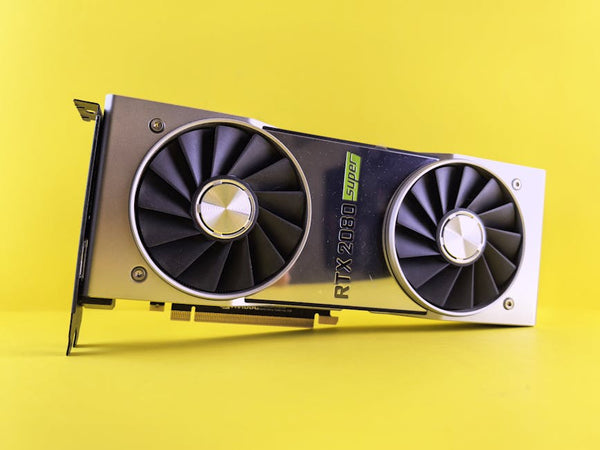
Here's where it gets interesting (and potentially problematic): this isn't just software running on your existing GPU. RTX Spark requires specific hardware implementations that are only showing up in select RTX 50-series cards and newer. That means if you just dropped $800 on an RTX 4080 last month, you're SOL for native Spark support.
The performance claims are wild too. Nvidia says RTX Spark can boost productivity by up to 40% through predictive task management and automated system optimization. But here's the thing — those numbers come from Nvidia's own testing labs, using their handpicked scenarios. We all know how that usually goes when independent reviewers get their hands on the hardware.
Common Mistake #1: Buying Into the "Every Manufacturer" Hype
Jensen loves throwing around that "literally every computer maker in the world" supports RTX Spark. That's marketing speak for "we sent press releases to everyone and some OEMs said 'sure, we'll look into it.'" The reality? Only about a dozen major manufacturers have actually committed to RTX Spark integration in their 2024 lineups.
HP, Dell, and ASUS are on board, sure. But smaller builders and custom PC shops? We're still waiting to see actual availability. Just last week at our shop here in Orange, TX, I had three different customers asking about RTX Spark builds, and I had to tell all of them that we're still waiting on reliable supply chains for the compatible components.
Don't rush into upgrading your entire system because you think RTX Spark is going to be everywhere immediately. It's not.
Common Mistake #2: Ignoring Power and Thermal Requirements
This is where things get spicy. RTX Spark doesn't just magically appear without cost. The AI processing units require additional power draw — we're talking about 25-35W of extra consumption even when the system is "idle." Your RTX 5070 Spark Edition isn't going to sip power like a regular 5070.
I've seen preliminary specs suggesting these cards need robust 750W+ PSUs for mid-range builds. That's insane when you consider that a standard RTX 4070 setup runs fine on a quality 650W unit. Personally, I think Nvidia should've been more upfront about these requirements instead of letting people discover them after they've already committed to a build.
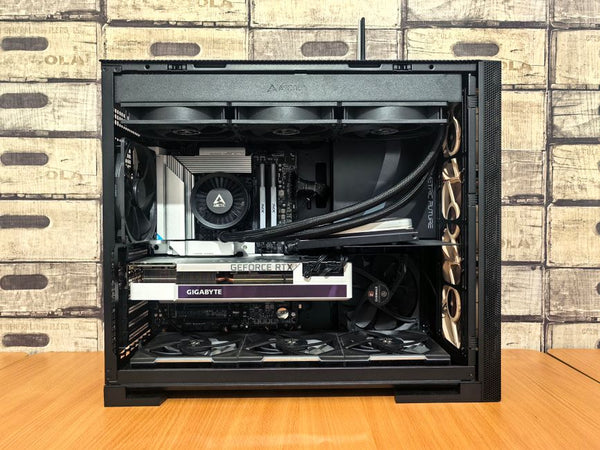
The thermal story isn't much better. Early engineering samples are running 5-8 degrees hotter than their non-Spark counterparts under gaming loads. Your case airflow better be on point, or you're going to be throttling that expensive AI processing power.
The Gaming Performance Question Nobody's Asking
Here's what's bugging me about all this RTX Spark coverage: everyone's talking about productivity and AI features, but what about gaming performance? You know, the thing most of us actually use our GPUs for?
Nvidia's been suspiciously quiet about frame rate comparisons between RTX Spark and standard RTX cards in actual games. The few leaked benchmarks I've seen suggest that RTX Spark cards perform nearly identically to their regular counterparts in traditional gaming workloads. So you're paying extra for AI features that don't improve your Cyberpunk 2077 experience at all.
Hot take: if you're primarily a gamer, RTX Spark might be a waste of money right now. The AI assistant features are cool in theory, but they don't boost your fps in Baldur's Gate 3 or help you hit those 240Hz targets in competitive shooters.
The Software Ecosystem Problem
Even if RTX Spark hardware becomes widely available, we're still looking at a chicken-and-egg problem with software support. Nvidia claims thousands of applications will integrate with RTX Spark by the end of 2024, but the current list is pretty thin.
Adobe Creative Suite has some integration planned for late 2024. Microsoft Office is supposedly getting RTX Spark features sometime next year. Most productivity apps? Still waiting. Gaming applications? Even more sparse.
You can shop GPUs at TieredUp Tech all day long, but if the software ecosystem isn't there to support your shiny new RTX Spark card, you're basically paying premium prices for potential future functionality.
When RTX Spark Actually Makes Sense
Look, I'm not completely anti-RTX Spark. There are legitimate use cases where it could be genuinely useful. Content creators working with AI-assisted video editing might see real benefits. Developers building AI applications could find the local processing power invaluable.
But for the average PC builder putting together a gaming rig? The value proposition is questionable at best. You're better off putting that extra money toward a higher-tier GPU without the Spark features, or investing in faster RAM and storage.
Honestly, I think we're about 18 months away from RTX Spark being truly ready for mainstream adoption. The hardware will be more refined, the software ecosystem will be more mature, and the prices will come down to reasonable levels.
The hype train is real with RTX Spark, but don't let Jensen Huang's grand proclamations about reinventing humanity's most important tool cloud your judgment. Build for your actual needs, not for theoretical futures. Your wallet and your framerates will thank you.
Looking for the right setup? Check out Shop GPUs at TieredUp Tech — built right here in Orange, TX.











Leave a Comment