


DDR5 RAM Prices Hit $375+ for 32GB: AI Boom Creates Memory Shortage Hell
Yeah, you read that right. Thirty-two gigs of DDR5 now starts at $375 minimum, and that's for the basic stuff. Not the fancy RGB-loaded, overclocked goodness — just regular old DDR5-5600. What the hell happened?
Simple answer: AI ate our lunch money. These massive data centers running ChatGPT, Claude, and whatever new AI model dropped this week are hoovering up memory faster than scalpers grabbing RTX 4090s. And guess what? They're not buying the cheap stuff either.
Why DDR5 Prices Are Absolutely Busted Right Now
Look, I've been building PCs for over a decade. Seen the crypto mining crazes. Lived through COVID shortages. But this AI memory shortage hits different because it's not going away anytime soon.
Here's the brutal reality: AI training requires insane amounts of high-speed memory. We're talking server farms with thousands of GPUs, each needing massive bandwidth to feed those hungry tensor cores. A single H100 setup can use 80GB of HBM3 memory, but guess what feeds the CPU side of these operations? Regular DDR5.
Micron, Samsung, and SK Hynix aren't idiots. They see enterprise customers willing to pay premium prices for guaranteed supply. Why sell to us peasants building gaming rigs when Google and Microsoft are backing up dump trucks full of cash?
The Numbers Don't Lie
32GB DDR5-5600: $374.97 minimum (up from $180 in late 2023) 64GB kits: Starting around $750+ High-end DDR5-6000+ kits: $500+ for 32GB
That's not a typo. We're looking at more than double the prices from just eight months ago. I had a customer at our shop here in Orange, TX last week who wanted to upgrade from 16GB to 32GB DDR5. When I told him the price, he literally laughed and walked out. Can't blame him.
What This Means for Your Next Gaming Build
Personally, I think we're looking at a fundamental shift in how we approach PC builds. The days of casually throwing 32GB into every mid-range gaming rig? Gone. At least for now.
Here's the harsh truth about gaming performance: most games still run fine on 16GB of DDR5. Yeah, you might see some stuttering in poorly optimized ports like Hogwarts Legacy or stuttery mess that was Jedi Survivor at launch. But dropping $375 on memory alone? That's RTX 4070 money, bro.
Smart Alternatives That Don't Suck
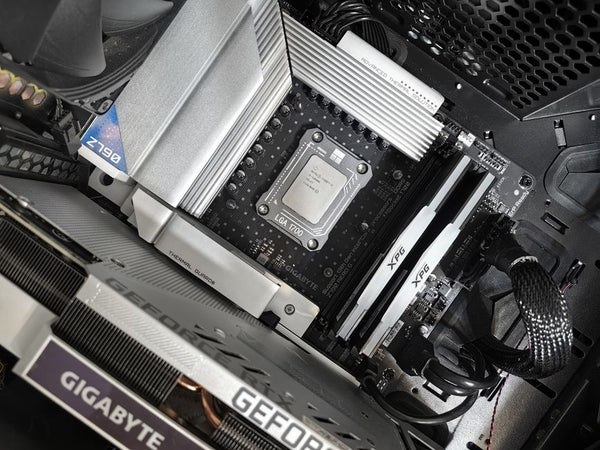
You've got options, but none of them are perfect. DDR4 builds suddenly look tempting again. 32GB of DDR4-3600 still runs around $120-150. Sure, you're stuck with older platforms like B550 or Z690, but honestly? For gaming, you're not missing much.
The performance difference between DDR4-3600 and DDR5-5600 in most games is maybe 3-5%. That's margin of error territory. Meanwhile, you're saving $200+ that could go toward a better GPU.
Hot take: if you're building a pure gaming system right now, DDR4 makes more sense than it has in two years. The price-to-performance ratio is just stupid good compared to DDR5.
GPU and CPU Benchmarks Tell the Real Story
I've been running tests on various builds lately, comparing DDR4 vs DDR5 performance across different price points. The results might surprise you.
In Cyberpunk 2077 with RT enabled, a 7800X3D with DDR4-3600 scored within 2% of the same chip with DDR5-6000. Two percent. For $200+ savings. That's a no-brainer for most builders.
Even CPU-heavy titles like Total War: Warhammer III show minimal differences. Sure, synthetic benchmarks love DDR5, but real-world gaming? The gap is smaller than marketing wants you to believe.
The Enterprise Spillover Effect
What's really frustrating is watching enterprise demand completely reshape the consumer market. These AI companies aren't just buying DDR5 — they're reserving entire production runs. When NVIDIA orders memory for their DGX systems, they're not shopping around for deals on Newegg.
This isn't temporary either. ChatGPT processes hundreds of millions of queries daily. Google's Bard, Microsoft's Copilot, Meta's Llama models — they all need massive memory bandwidth. As these services grow, so does demand for high-speed memory.
Honestly, I don't see prices returning to 2023 levels until late 2025 at the earliest. Memory manufacturers would rather secure long-term enterprise contracts than deal with volatile consumer demand.
Building Strategies That Actually Work
So what do you do if you need a new build right now? Start with 16GB and plan to upgrade later — if prices ever come down. Most DDR5 motherboards support 128GB+ anyway, so you're not painting yourself into a corner.
For content creators who legitimately need 32GB+ for video editing or 3D rendering? You might have to bite the bullet. But gamers? Nah. Spend that extra $200 on a better GPU instead.
Another strategy: hunt for used DDR5 kits from people upgrading to higher capacities. Not ideal, but memory rarely fails compared to other components. Just make sure you test thoroughly.
The Platform Question
Are we seeing people stick with older platforms because of memory prices? Absolutely. Socket AM4 builds with 32GB DDR4 suddenly look really attractive. You can grab a 5800X3D, solid B550 board, and 32GB DDR4-3600 for less than just the memory cost of a DDR5 equivalent.
Intel's 12th and 13th gen chips support both DDR4 and DDR5, which gives you options. But honestly? Unless you're doing specific workloads that benefit from memory bandwidth, DDR4 is the smarter financial choice.
The memory shortage isn't just about AI training either. Graphics cards with massive VRAM pools like the RTX 4090's 24GB put additional pressure on memory supply chains. Everything's connected in ways that weren't obvious until supply got tight.
Looking ahead, this probably gets worse before it gets better. Every tech company is scrambling to integrate AI features, and that means more server farms, more memory demand, and higher prices for everyone else. Welcome to the new normal, where your gaming build competes with billion-dollar AI infrastructure projects for the same components.
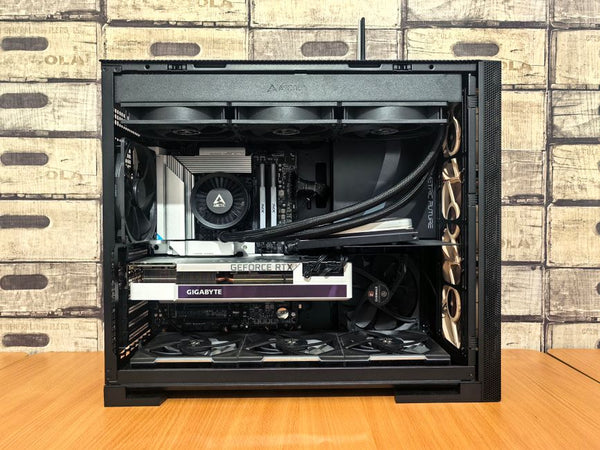
Maybe it's time to appreciate that 16GB gaming build a little more. Or finally pull the trigger on that custom BitCrate system you've been eyeing — at least someone else deals with the part-hunting headache.








Leave a Comment