


How US Chip Bans Just Made Chinese Gaming PC Builds Way More Competitive
Bro, the tech world just got served the spiciest plot twist of 2024. Huawei's Rotating Chairman straight up thanked the US for slapping export restrictions on chips because — and I'm not kidding — it "supercharged China's semiconductor industry." This dude basically said "thanks for forcing us to git gud" after unveiling their new LogicFolding chip architecture. As someone who's been building gaming PC builds for over a decade, this has some wild implications for anyone planning a custom gaming PC.
The Ultimate Uno Reverse Card in Tech
So here's what went down. Instead of crippling China's tech sector like Washington probably hoped, the export controls basically turned into the world's most expensive motivational speech. Chinese firms started throwing money at R&D like they were speed-running a tech tree in Civilization. They built their own entire tech stack instead of relying on American components.
Ngl, this reminds me of when AMD got absolutely demolished by Intel in the early 2000s, then came back swinging with Ryzen and completely changed the game. Sometimes getting your back against the wall makes you dangerous.
The timing couldn't be more interesting for us PC builders. I've been helping customers at TieredUp Tech here in Orange, TX navigate chip shortages and price spikes for years now. But this whole situation is creating some genuinely fascinating ripple effects in the gaming hardware market.
What LogicFolding Actually Means for Gaming
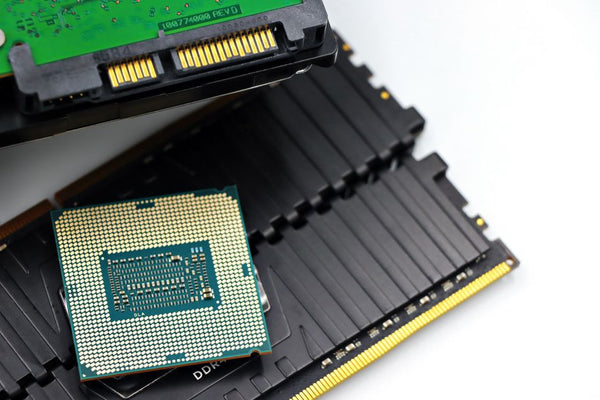
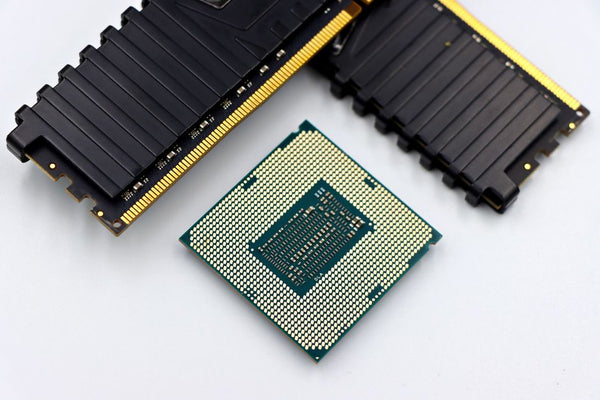
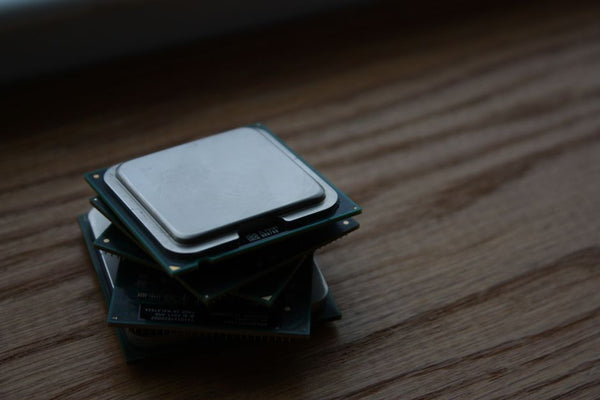
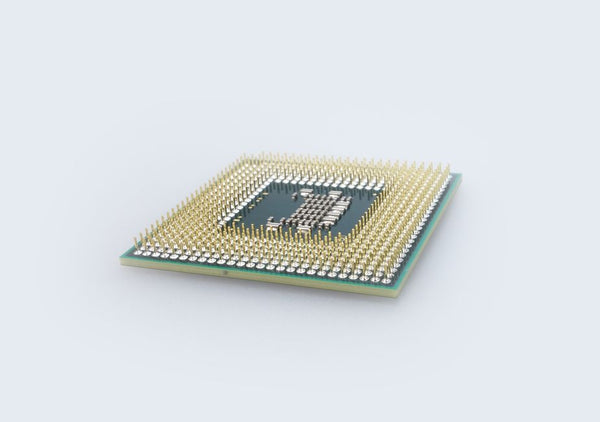
Now, Huawei's LogicFolding sounds like marketing buzzword bingo at first. But dig deeper and it's actually pretty clever — they're talking about dynamic processing architecture that can adapt workloads in real-time. Think of it like having a CPU that can literally reshape itself based on what game you're running.
For gaming specifically? This could be huge. Instead of having dedicated cores that sit idle during certain tasks, LogicFolding theoretically lets the processor reorganize itself for maximum efficiency. Running Cyberpunk 2077 with ray tracing? The chip reconfigures for graphics-heavy workloads. Streaming while playing Valorant? It shifts to handle encoding and low-latency gaming simultaneously.
Hot take: if this tech actually works as advertised, it could make traditional CPU core counts look outdated real quick.
The Gaming PC Build Landscape Is About to Get Weird
Here's where things get interesting for anyone planning a PC build guide. Chinese semiconductor companies aren't just playing catch-up anymore — they're innovating out of necessity. When you can't buy NVIDIA's latest architecture, you build your own. When Intel won't sell you their newest process nodes, you develop alternatives.
I've already started seeing some interesting Chinese components hitting the market. Not the sketchy knockoffs from five years ago, but legitimate competitive alternatives. The export restrictions essentially created a parallel tech ecosystem that's now starting to compete directly with established players.
Personally, I think we're about to see some wild competition in the mid-range gaming market. Chinese firms can't compete with RTX 4090s yet, but they're definitely eyeing that RTX 4060-4070 sweet spot where most gamers actually live.
What This Means for Your Next Build
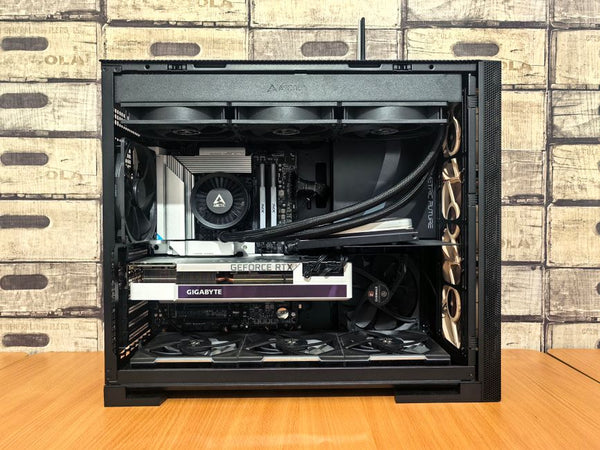
Should you wait for Chinese alternatives to flood the market? Honestly, probably not if you're building right now. But if you're planning a custom gaming PC for late 2024 or 2025, keep an eye on what's coming down the pipeline.
The real winners here might be consumers. More competition usually means better prices and more innovation. Remember when AMD's Ryzen launch forced Intel to actually try again? We could see something similar play out across multiple component categories.
But here's the thing — and this is where I get a bit uncertain — geopolitics and gaming hardware don't usually mix well. Will we end up with fragmented ecosystems where certain components don't play nice together? Will driver support be consistent? These are questions we won't have answers to for a while.
The export restrictions essentially created a parallel tech ecosystem that's now starting to compete directly with established players.
The Unintended Consequences Game
What's genuinely fascinating is how completely this backfired from a strategic standpoint. Instead of keeping China dependent on American tech, the restrictions basically forced them to become self-sufficient. It's like trying to ground your teenager and accidentally teaching them to hot-wire cars.
For gaming specifically, this could mean some interesting developments. Chinese companies have massive domestic markets to test on, and they're not bound by the same legacy compatibility issues that sometimes slow down Western innovation. They can move fast and break things in ways that established players can't.
Take mobile gaming processors — Chinese companies like MediaTek and Unisoc are already competitive there. Now imagine that same aggressive approach applied to discrete GPUs and gaming CPUs.
Real Talk About Performance and Compatibility
But let's be real for a second. New architectures are cool in theory, but gamers care about framerates and stability. Can LogicFolding actually deliver on its promises? Will games need specific optimization to take advantage of it? These are the questions that matter when you're dropping $1500+ on a gaming rig.
I've seen too many "revolutionary" chip architectures that ended up being mid in real-world gaming scenarios. Until we see actual benchmarks running actual games, the smart money stays on proven platforms.
That said, competition breeds innovation. Even if Chinese alternatives aren't immediately competitive with high-end gaming hardware, they'll push everyone else to innovate faster. And frankly, the gaming PC market has felt a bit stagnant lately outside of the ongoing GPU price drama.
The Plot Twist Nobody Saw Coming
So here we are. The US tried to slow down Chinese tech development and accidentally created their biggest competitor. Huawei's chairman is out here basically saying "thanks for the motivation" while unveiling genuinely innovative architectures.
For PC builders like us, this is going to be wild to watch unfold. More competition, more innovation, probably some growing pains, and definitely some interesting new options in the coming years. Whether you're checking out BitCrate Custom Gaming PCs or building from scratch, the landscape is about to get a lot more interesting.
The best part? We're probably just seeing the beginning. When an entire country's tech industry gets motivated to prove a point, things get spicy real quick. Time to grab some popcorn and watch the fireworks.









Leave a Comment