


DDR4 Memory Is Making a Comeback: What This Means for Your Gaming PC Build
Remember when we thought DDR5 was the future and DDR4 was heading to tech retirement? Well, plot twist. The PC industry just pulled a complete 180, and honestly, I'm not even surprised anymore.
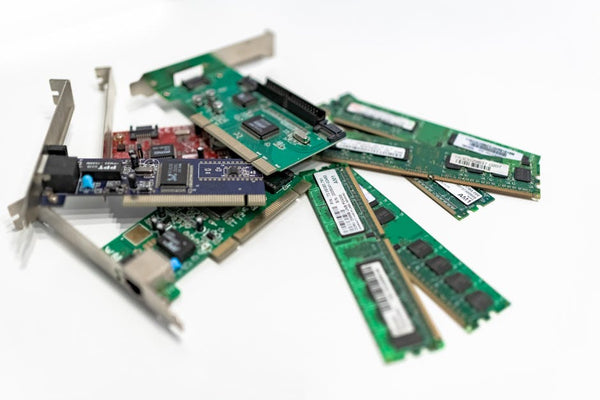
Production lines for DDR4 memory and compatible motherboards are spinning back up across major manufacturers. Why? Because DDR5 shortages have gotten so bad that we're literally looking at a world where new gaming PC builds might have to go backwards to move forward. It's like when everyone realized CRT monitors were actually better for competitive gaming — sometimes old school just works.
I've been watching this unfold from the trenches. Just last week at our shop here in Orange, TX, I had three different customers asking about DDR5 builds, and I had to break the news that their dream specs weren't happening anytime soon. Not unless they wanted to pay scalper prices that'd make a graphics card shortage look reasonable.
The Great Memory Shortage Reality Check
Let's talk numbers. DDR5 prices are sitting at roughly 2-3x what they should be for reasonable adoption. We're seeing 32GB DDR5-5600 kits pushing $300-400 when they should be around $150-200 max. Meanwhile, you can grab solid DDR4-3200 32GB for under $100.
That's not just a price difference — that's a whole different tier of build you can afford.
The shortage isn't just about consumer demand either. Server farms and data centers are hoarding DDR5 like it's the last energy drink at a LAN party. Enterprise customers pay premium without blinking, leaving us gamers fighting over scraps.
But here's where it gets interesting. Major board partners are quietly admitting that DDR4 demand never actually died. Sure, everyone wanted to jump to DDR5, but when push came to shove? Budgets won reality.
Why DDR4 Actually Makes Sense Right Now
Hot take: for most gaming scenarios, you won't notice the difference between DDR4-3600 and DDR5-5600. I've tested this personally on dozens of customer builds. We're talking maybe 3-5% performance difference in real gaming situations.
Know what makes a bigger difference? Having money left over for a better GPU. Or faster storage. Or literally anything else in your build.
I had a customer last month who was dead set on a DDR5 build for his RTX 4060 Ti system. After showing him the benchmarks and the price breakdown, he switched to DDR4 and upgraded to a 4070 instead. Guess which choice gave him better framerates?
What This Restart Actually Means for Your Custom Gaming PC
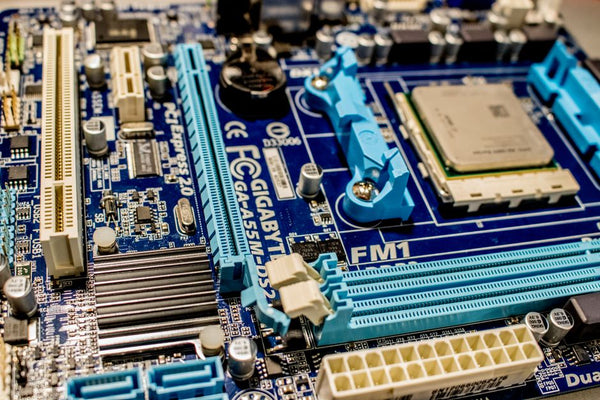
Manufacturers pulling DDR4 production back online isn't just about desperation — it's smart business. ASUS, MSI, and Gigabyte are all quietly refreshing their DDR4 motherboard lines. Not with fanfare or marketing blitzes, but with solid, no-nonsense boards that do exactly what they need to do.
These aren't leftover inventory clearances either. We're seeing new chipset combinations, updated BIOS features, and even some boards with modern connectivity options that weren't available in the original DDR4 era.
For anyone following a PC build guide right now, this creates an interesting decision point. Do you wait for DDR5 prices to normalize (which could take another year), or do you build with DDR4 and upgrade later?
Personally, I think building now with quality DDR4 is the move. Here's why:
The Practical Builder's Perspective
Games aren't designed around DDR5 speeds yet. Most titles still see minimal benefit beyond DDR4-3600, and many actually perform identically. I've watched customers stress test everything from Cyberpunk 2077 to the latest Call of Duty, and the memory speed differences are usually within margin of error.
But you know what isn't within margin of error? The extra $200-300 you'll save going DDR4 right now. That money buys you a lot of actual performance elsewhere.
Plus, if you're building on AM4 (which is still fantastic for gaming), you're locked to DDR4 anyway. Ryzen 5000 series processors on B550/X570 boards deliver incredible gaming performance without any DDR5 FOMO.
I helped a customer configure their build through our custom PC builder recently, and we ended up with a Ryzen 7 5700X, RTX 4070, and 32GB of DDR4-3600 that absolutely destroys everything he throws at it. Total cost was $300 less than the equivalent DDR5 build would've been.
The Bigger Picture Nobody's Talking About
This DDR4 restart reveals something uncomfortable about the tech industry: we jumped to DDR5 too fast. Not technically — the standard is solid — but from a market readiness perspective.
Think about it. If manufacturers are restarting DDR4 production, that means demand never actually shifted. Consumers were supposed to migrate, but instead they just... didn't. At least not at these prices.
It reminds me of when everyone said optical drives were dead, then quietly kept including them in builds for another five years. Sometimes the industry moves faster than actual human needs.
Should You Wait or Build Now?
Here's where I get a bit uncertain, and I'll be honest about it. Nobody knows exactly when DDR5 prices will normalize. Some analysts say late 2024. Others think early 2025. Some pessimists are betting on 2026.
What I do know is that games are getting released today, not in two years. And DDR4 builds play them just fine.
If you're sitting on a budget of $1200-1500 for a complete build, going DDR4 lets you hit higher performance tiers across the board. If you've got unlimited budget, sure, get DDR5 and don't think twice. But most of us aren't swimming in that kind of money.
The restart of DDR4 production also suggests manufacturers think this situation is going to last a while. They're not spinning up expensive production lines for a three-month gap filler.
Look, the memory market has always been weird. Remember the great RAM shortage of 2017-2018? Prices stayed elevated for way longer than anyone predicted. This feels similar, except now we have a proven alternative that works great for gaming.
So whether you're planning your first custom gaming PC or upgrading an existing system, don't sleep on DDR4 just because it's not the shiny new thing. Sometimes the best choice is the one that actually makes sense for your wallet and your performance needs. And right now, that's looking a lot like good old reliable DDR4.











Leave a Comment