


AI-Powered Laser Mosquito Killer: When PC Components Meet Pest Control
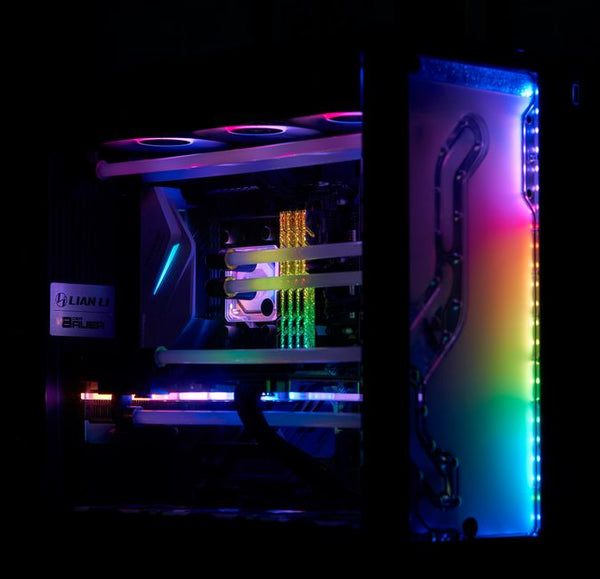
Bro, I've seen some wild PC builds in my time. RGB everything, custom water loops that cost more than my car, and mining rigs that could heat a small house. But this? This is something else entirely. Some absolute madlad just built what he calls "the ultimate mosquito killer" using AI and frickin' laser beams. Ngl, this might be the most badass application of PC components I've ever seen.
We're talking about a computer vision system that uses machine learning to identify mosquitoes and then locks onto them with a laser. Yeah, you read that right. It's like someone took a gaming rig and turned it into a sci-fi death ray for bugs.
The Tech Stack Behind This Mosquito Annihilation System
Let's break down what's actually happening here because this isn't just some Arduino project thrown together in a weekend. This thing requires serious computing power.
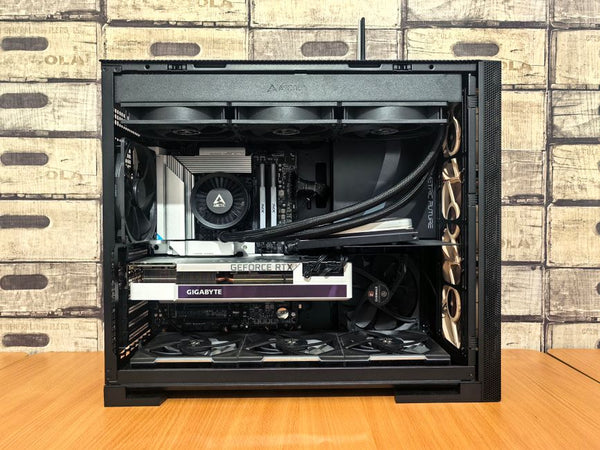
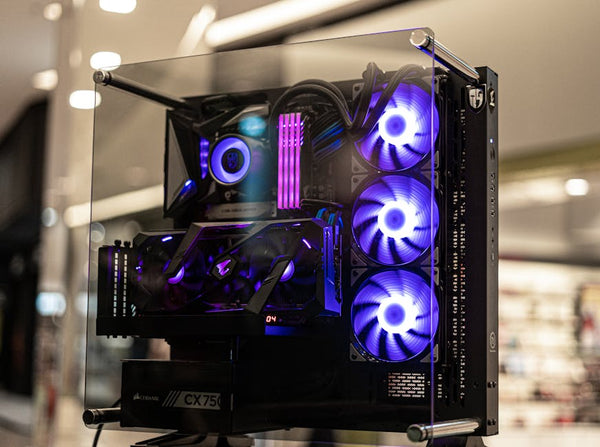
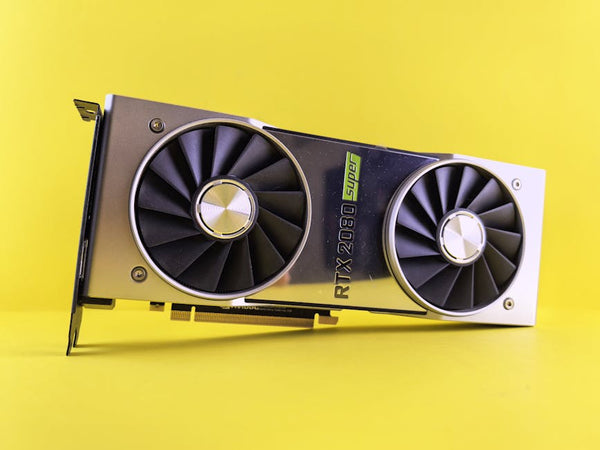
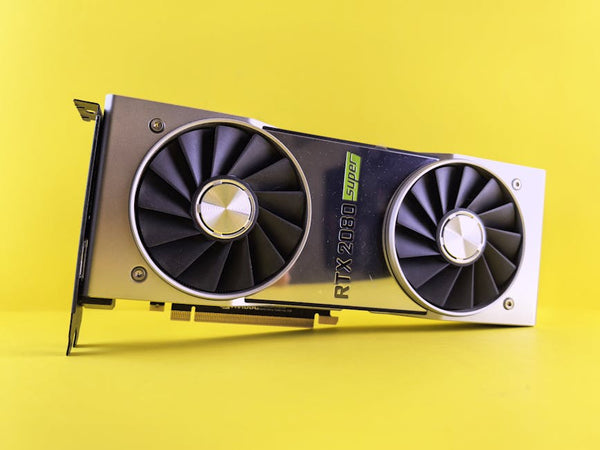
The core system relies on computer vision algorithms running in real-time. We're talking about processing video feeds, identifying tiny moving objects, and calculating precise coordinates for laser targeting. That's computationally intensive as hell. You need a decent GPU to handle the AI inference, probably something like an RTX 4060 minimum, though I'd bet the builder went with something beefier.
The AI model itself? Custom trained specifically for mosquito detection. Hot take: this is actually way more complex than most people realize. Training a model to distinguish between mosquitoes and, say, dust particles or other small flying insects requires thousands of labeled images and serious processing time.
Why This Project Demands High-End PC Hardware
When I was helping a customer at our shop here in Orange, TX last week configure a machine learning build, we talked about exactly this kind of application. Real-time computer vision isn't a joke. You need:
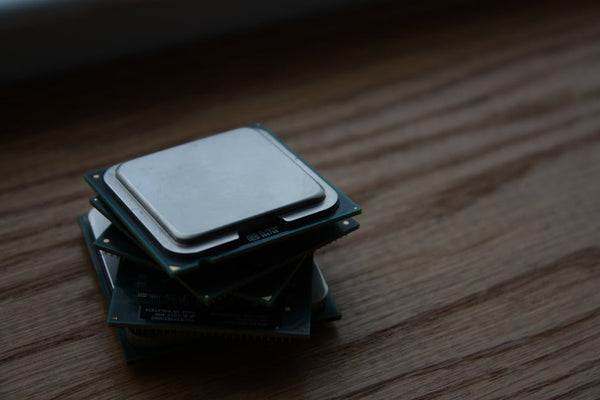
- Fast CPU for handling multiple data streams (probably Ryzen 7 or Intel i7 minimum)
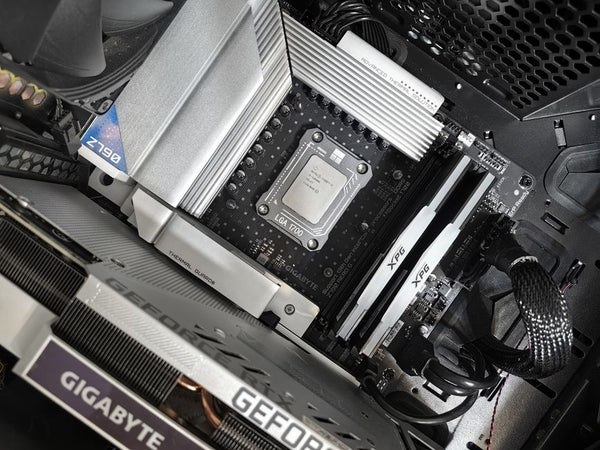
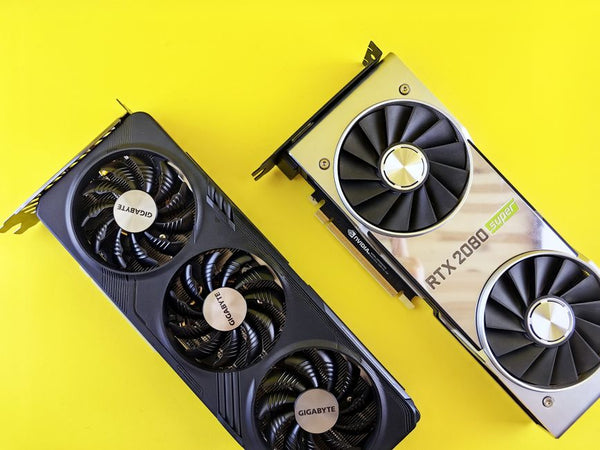
- Dedicated GPU for AI inference (RTX 4070 or better recommended)
- Plenty of RAM because video processing is memory-hungry (32GB isn't overkill here)
- Fast storage for model loading and data processing
The laser targeting system adds another layer of complexity. You're looking at millisecond response times between detection and firing. That requires a rock-solid system with minimal latency.
The Engineering Challenges Are Actually Insane
Honestly, the more I think about this project, the more impressed I get. Consider what this system has to do:
First, it needs to track multiple small, fast-moving targets simultaneously. Mosquitoes aren't exactly cooperative subjects – they're erratic, tiny, and move in three dimensions. The computer vision model has to process this in real-time while filtering out false positives.
Then there's the laser control system. We're talking about precise mechanical positioning that can track and engage targets within a reasonable range. The latency between detection and engagement has to be minimal, otherwise you're just lighting up empty air.
But here's where it gets really wild – the safety systems. You can't just have a laser firing randomly around your house. The AI needs to distinguish between mosquitoes and literally everything else: pets, people, furniture, your expensive gaming setup.
The Custom AI Training Process
Training a model for this specific use case genuinely requires some serious dedication. You need thousands of mosquito images in different lighting conditions, angles, and backgrounds. Then you need to annotate all of them manually.
The data augmentation alone is a nightmare. Mosquitoes in bright light vs. dim light. Mosquitoes against white walls vs. dark surfaces. Moving vs. stationary. Different species and sizes.
And let's be real – mosquitoes aren't exactly known for holding still while you take training photos. This dude probably spent months just collecting decent training data.
Why PC Gaming Hardware Makes This Possible
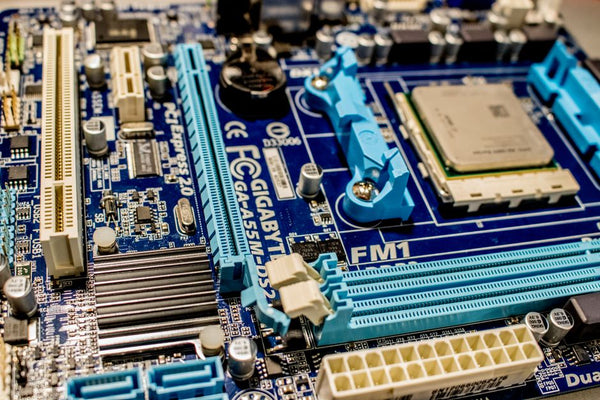
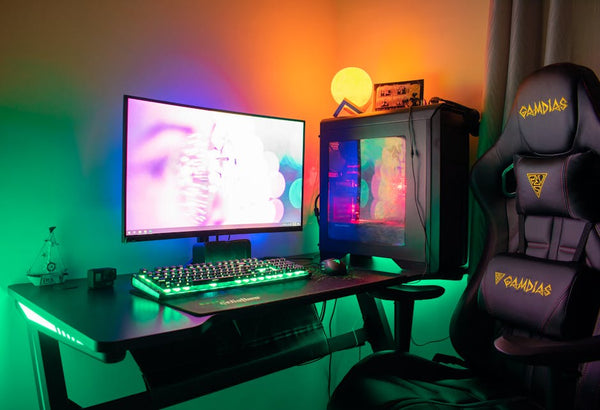
Here's the thing that blows my mind about this project. Five years ago, this would've required specialized hardware costing tens of thousands of dollars. Now? You can build a capable AI inference machine for under $2000 using standard gaming components.
The RTX 40-series cards have tensor cores specifically designed for AI workloads. The same GPU you'd use for playing Cyberpunk 2077 at 4K can handle real-time object detection and tracking. That's genuinely incredible.
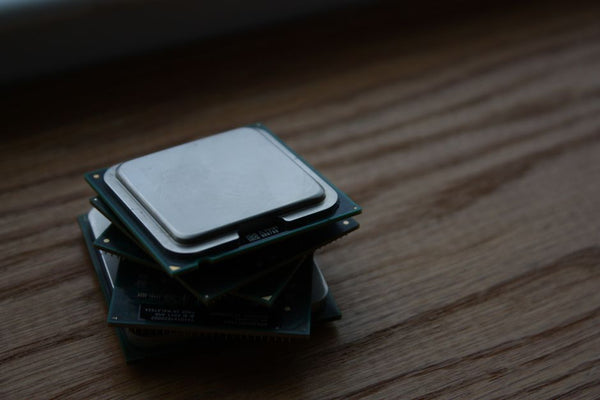
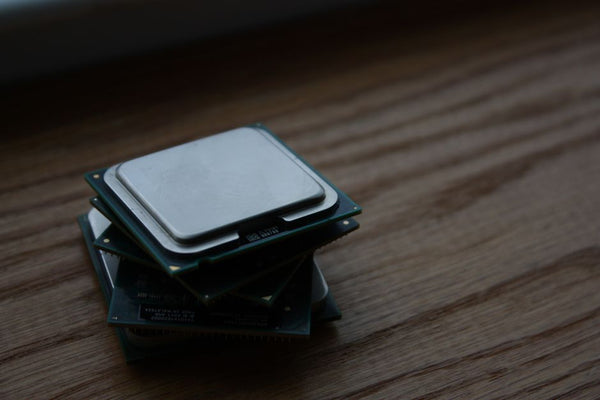
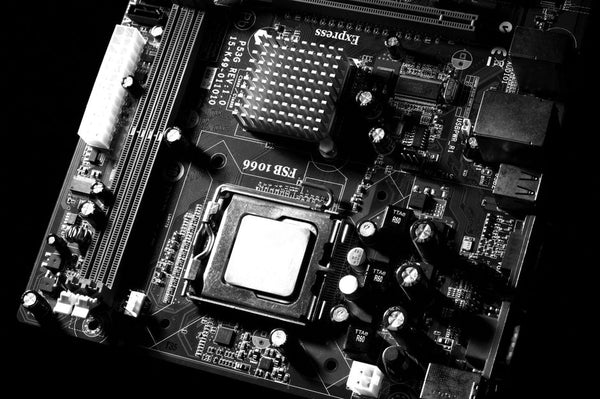
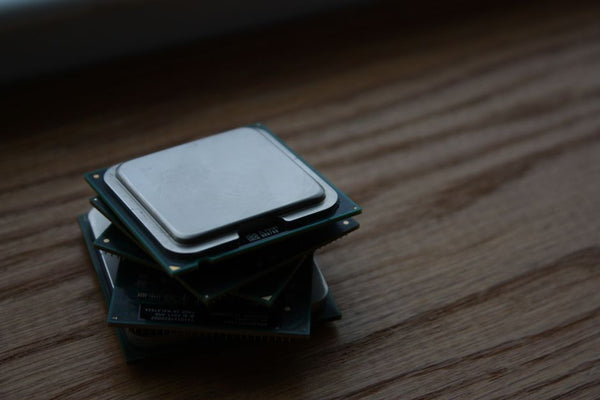
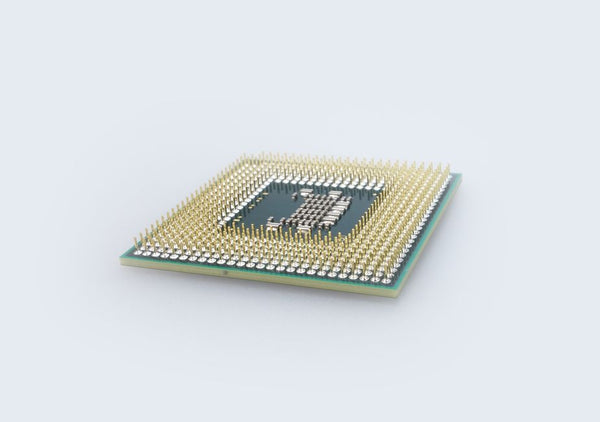
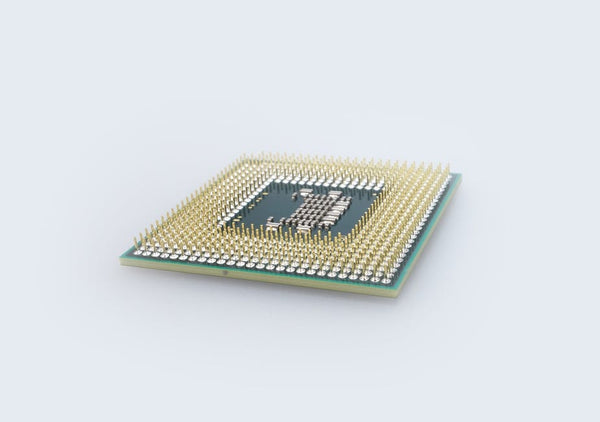
Modern CPUs like the Ryzen 7000 series or 13th-gen Intel chips have enough parallel processing power to handle the non-AI components of this system – camera feeds, laser control, safety monitoring – without breaking a sweat.
Personally, I think we're going to see more projects like this. The barrier to entry for serious AI projects has dropped dramatically thanks to gaming hardware becoming more powerful and accessible.
The Future of DIY AI Projects
This mosquito killer represents something bigger than just pest control. It shows what's possible when you combine readily available PC components with custom software development.
Think about it – if someone can build a precision laser targeting system for mosquitoes in their garage, what else becomes possible? Security systems that can identify specific threats? Agricultural monitoring that tracks individual plants? The applications are endless.
But there's also a darker side here that I can't ignore. The same technology that can zap mosquitoes could theoretically be scaled up for more concerning applications. It's one of those classic examples where the tech itself is neutral, but the implications make you think.
"The democratization of AI through gaming hardware is creating possibilities we never imagined just a few years ago."
Building Your Own AI-Powered Projects
Want to get into this kind of development yourself? You don't need to start with laser-guided mosquito elimination. Computer vision projects can start much simpler.
A solid foundation would be something like an RTX 4060 Ti paired with a Ryzen 5 7600X. That gives you enough AI performance to experiment with object detection models while staying under a $1500 budget for the core components. Check out some of the BitCrate Custom Gaming PCs we build – they're perfect platforms for this kind of experimentation.
Start with pre-trained models and work your way up to custom training. OpenCV and TensorFlow are your friends here. The learning curve is steep, but the payoff is worth it.
The mosquito laser guy probably started with simple object tracking projects before graduating to precision targeting systems. Rome wasn't built in a day, and neither are AI-powered death rays.
This project represents everything I love about the PC building community. Someone saw a problem (mosquitoes are annoying), applied serious technical skills, and created something that's equal parts practical and completely over-the-top. It's peak engineer energy, and I'm here for it. Next summer, while you're swatting bugs like some kind of primitive caveman, this guy will be living in the future with his laser-guided pest control system running on gaming hardware.






















Leave a Comment