


Custom PC vs Prebuilt Gaming PC: The Brutally Honest 2025 Breakdown
Alright bro, let's settle this once and for all. After building 50+ systems and watching countless friends get bamboozled by marketing BS, I'm gonna give you the real talk about custom PC builds versus prebuilt gaming PCs in 2025. No fluff, no corporate speak, just facts.
The landscape has shifted massively since 2020. GPU prices aren't completely insane anymore. DDR5 is actually affordable now. And honestly? Some prebuilt companies have genuinely stepped up their game while others are still pulling the same old tricks.
The Custom Gaming PC Reality Check
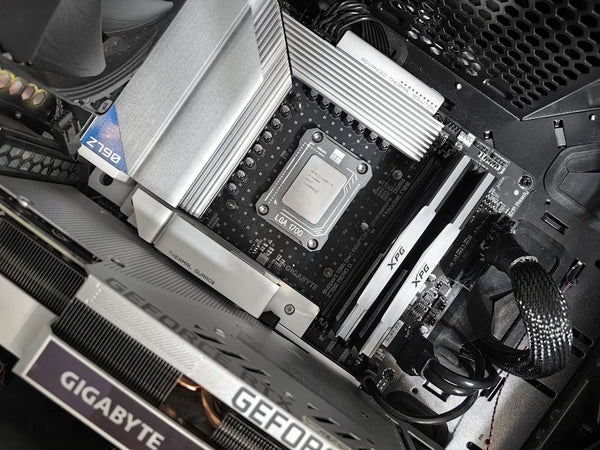
Building your own rig isn't just about bragging rights anymore. Sure, that dopamine hit when you press the power button for the first time is unmatched. But there are real, tangible benefits that go beyond the feels.
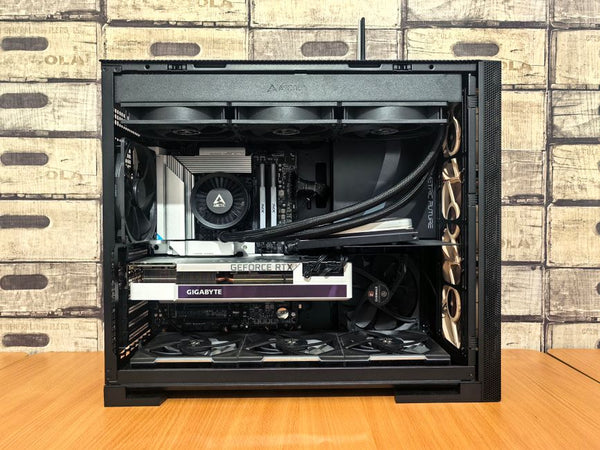
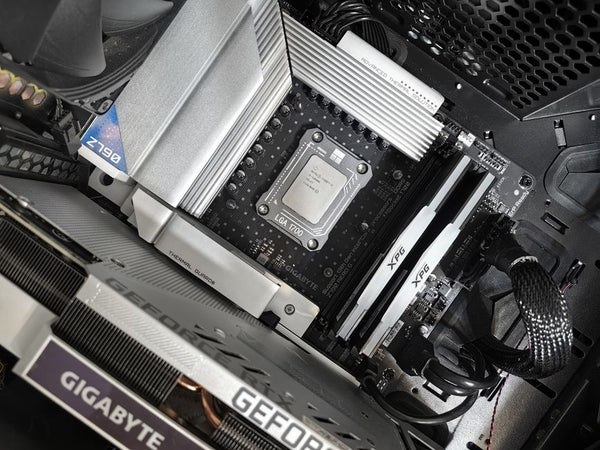
First up: you know exactly what's in your system. No mystery PSU from "Great Wall" that'll fry your RTX 4080 six months down the line. No single-channel RAM masquerading as "16GB gaming memory." When I help customers at our shop here in Orange, TX, the number one thing they appreciate is knowing their build won't have any sketchy components.
The cost savings are legit too, but not always in the way people think. You're not necessarily saving money upfront – sometimes you'll pay more. But you're getting better components for that price point. A $1,500 custom build will smoke a $1,500 prebuilt 9 times out of 10.
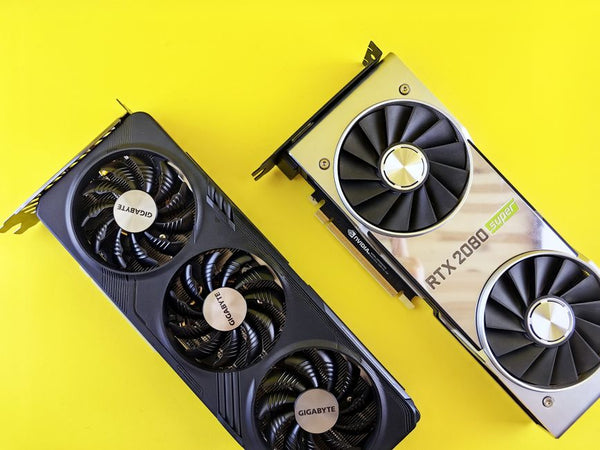
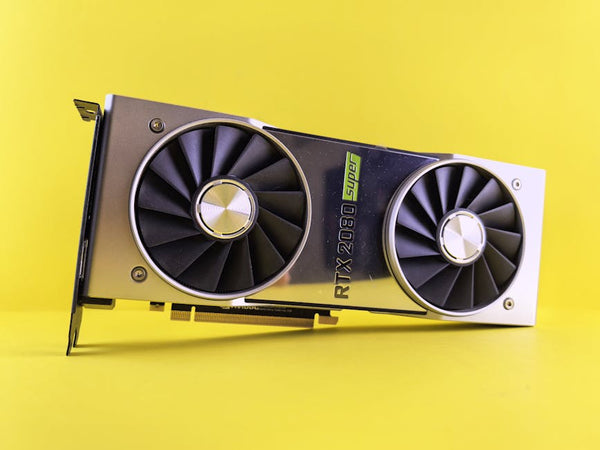
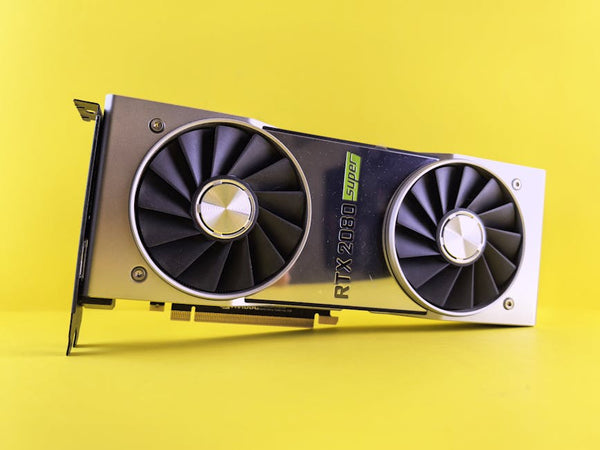
Take this real example: I priced out a Ryzen 7 7700X build with an RTX 4070 Super, 32GB DDR5-5600, and a solid B650 board. Total came to about $1,680. The "equivalent" prebuilt? Same CPU and GPU but with slower RAM, a questionable motherboard, and a generic 650W PSU for $1,799. Math ain't mathing there, chief.
The Learning Curve Is Real Though
Let's not pretend building is easy for everyone. Your first build will probably take 4-6 hours. You'll forget to flip the PSU switch. You might panic when it doesn't boot because you didn't seat the RAM properly.
But here's the thing – YouTube University is free, and channels like Gamers Nexus and JayzTwoCents have made this process incredibly accessible. Plus, the satisfaction of troubleshooting your own problems? Priceless.
Prebuilt Gaming PCs: The Good, Bad, and Ugly
Prebuilts have definitely improved since the dark days of Dell Inspiron "gaming" desktops with GT 1030s. Companies like NZXT BLD, Origin PC, and even some of the bigger players are putting together legitimately solid systems.
The convenience factor is undeniable. You click buy, it shows up, you game. No compatibility research, no cable management nightmares, no "why won't this thing POST?" moments. For busy professionals or people who just want to game without the tech overhead, this makes total sense.
Personally, I think the warranty situation is where prebuilts can actually win. When something goes wrong with a custom build, you're the tech support. With a quality prebuilt, you call one number and they fix it. That peace of mind is worth something.
But the Marketing BS Is Still Strong
Holy hell, the spec sheets on some of these systems are straight-up predatory. "ULTRA FAST 16GB MEMORY" that's running at JEDEC speeds. "LIQUID COOLING" that's a 120mm AIO barely better than a decent air cooler. "MILITARY GRADE COMPONENTS" – bro, what does that even mean?
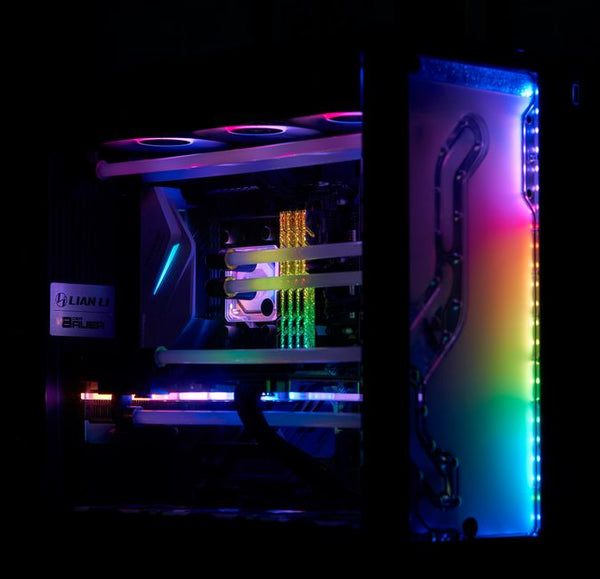
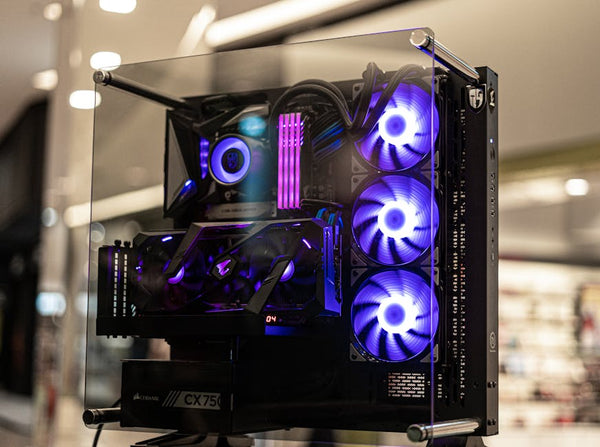
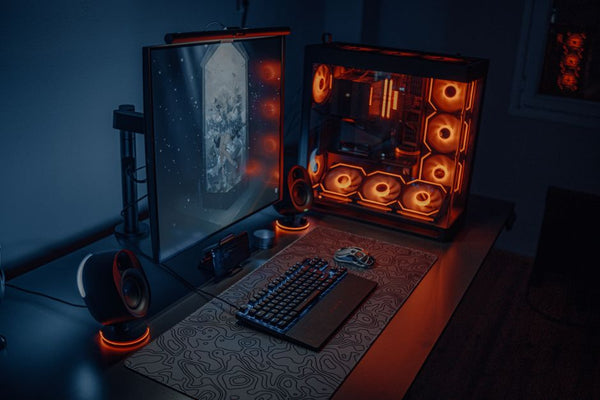
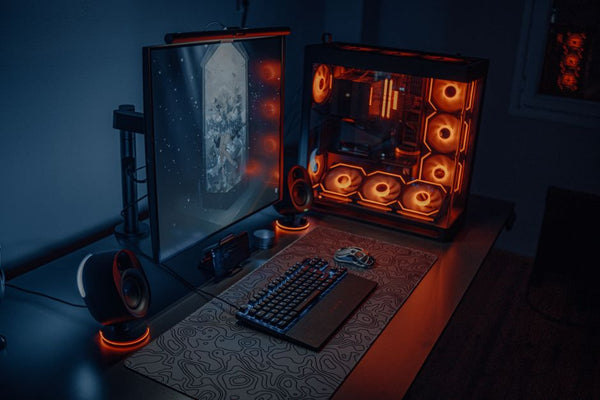
The RGB tax is real too. You'll pay an extra $200-300 for pretty lights that don't improve performance one bit. And don't get me started on "gaming keyboards" that are membrane switches dressed up with gaming fonts.
Here's my hot take: if a prebuilt doesn't list specific component models (exact motherboard, PSU wattage and 80+ rating, RAM speeds), run. They're hiding something.
The 2025 Sweet Spots
Where does each approach actually make sense right now?
For custom builds, you're looking at the $800-2000 range where you get maximum bang for buck. Below $800, prebuilts can sometimes win on pure economics because of volume pricing. Above $2000, you're in enthusiast territory where building custom is almost mandatory – no prebuilt company is gonna use your exact preferred components.
The Epic-Tier BitCrate builds ($2k+) we configure hit that sweet spot where every component is chosen for a specific reason, not just what was cheapest for the manufacturer that quarter.
Prebuilts shine in the ultra-budget space (sub-$600) and the ultra-high-end ($3000+) where you want someone else dealing with custom loops and exotic hardware. The middle ground is where things get murky.
The Upgrade Path Consideration
This is where custom builds absolutely destroy prebuilts long-term. I've seen too many people with HP Omen or Dell G-series systems realize they can't upgrade their GPU because of proprietary PSU connections or weird form factors.
With a custom build, you can swap out any component whenever you want. New GPU drops? Easy swap. Need more storage? Pop in another NVMe drive. Your prebuilt gaming PC journey might end when you need that first major upgrade.
My Honest Recommendation
If you're genuinely interested in how computers work and don't mind spending a weekend learning, build custom. The knowledge pays dividends forever, and you'll get better performance per dollar.
If you're swamped with work, have kids, or just want to game without becoming a PC tech, get a quality prebuilt. But do your homework – read actual reviews, check for specific component listings, and avoid anything with "gaming" in giant letters across the case.
The dirty secret? Both approaches can get you gaming at 1440p 144fps in 2025. The question is whether you want to learn the journey or just enjoy the destination.
One thing I'm genuinely uncertain about is how AI-assisted PC building will change this landscape. We're already seeing tools that can optimize builds for specific use cases. Will that make custom building more accessible or just create new ways for companies to confuse consumers? Time will tell.
Whatever you choose, avoid the trap of obsessing over benchmarks you'll never notice. That 3% performance difference between configurations won't matter when you're actually gaming. Focus on what matters: reliability, upgrade path, and not getting ripped off by marketing nonsense.
The PC gaming community has never been stronger, and whether you join via custom build or quality prebuilt, you're in for some incredible experiences. Just promise me you won't fall for that "military grade" marketing crap, yeah?














Leave a Comment