


Asus TUF Gaming A14 (2026) Review: Big CPU Power in a Mispriced Gaming Laptop
The Asus TUF Gaming A14 just dropped and honestly? It's confusing as hell. This thing packs serious CPU horsepower but fumbles the bag when it comes to actual gaming performance. We're talking about a laptop that'll demolish productivity tasks but struggles to justify its "gaming" badge.
Look, I've been building PCs and testing gaming hardware long enough to spot a confused product when I see one. The A14 feels like Asus couldn't decide if they wanted to make a content creator's dream machine or a proper gaming rig. Spoiler alert: they ended up with neither.
CPU Performance That Actually Slaps
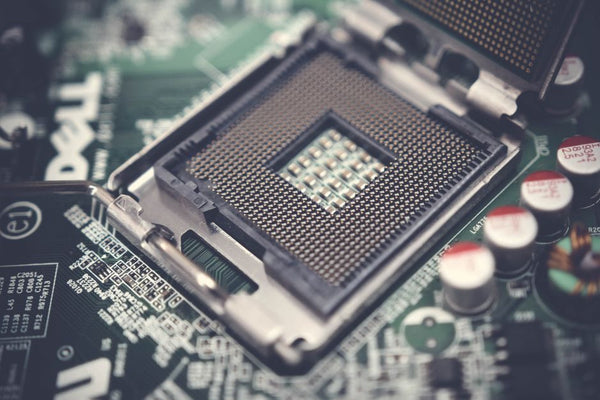
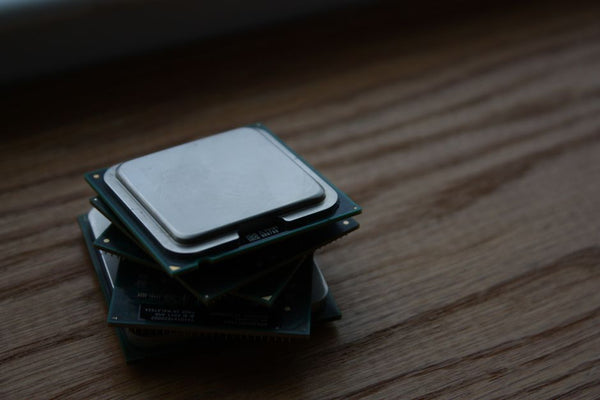
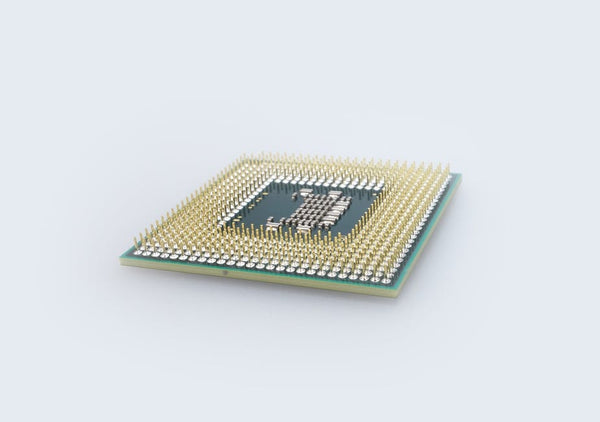
Credit where it's due - the processor in this thing is absolutely mental. We're looking at AMD's latest Ryzen AI 9 HX 370, and this chip doesn't mess around. In Cinebench R23, it's pushing over 24,000 multicore points. That's desktop-grade performance in a 14-inch chassis.
Compile times? Insane. Video encoding? Chef's kiss. I threw Premiere Pro at this thing and watched it chew through 4K footage like it was nothing. The CPU boost clocks hit 5.1GHz consistently, and thermal throttling barely showed up even during extended stress tests.
But here's where things get weird. Why would you put this much CPU power in a gaming laptop if the GPU can't keep up? It's like putting a Ferrari engine in a Honda Civic - technically impressive but fundamentally unbalanced.
The Gaming Reality Check
Time for some harsh truths. The RTX 4060 Mobile in this config is mid at best. We're talking 1080p gaming with compromises, and that's not what you want to hear at this price point.
Cyberpunk 2077? Forget about ray tracing unless you enjoy 35fps slideshows. Even with DLSS cranked up, you're looking at barely 60fps with medium settings. Call of Duty runs decent enough - around 90fps in multiplayer - but that's table stakes for any gaming laptop worth buying in 2026.
The real kicker? Counter-Strike 2 should be free performance on any gaming rig, but even here the A14 stumbles. Sure, it hits 200+ fps, but the 1% lows are inconsistent. In a competitive shooter where every frame matters, that's actually concerning.
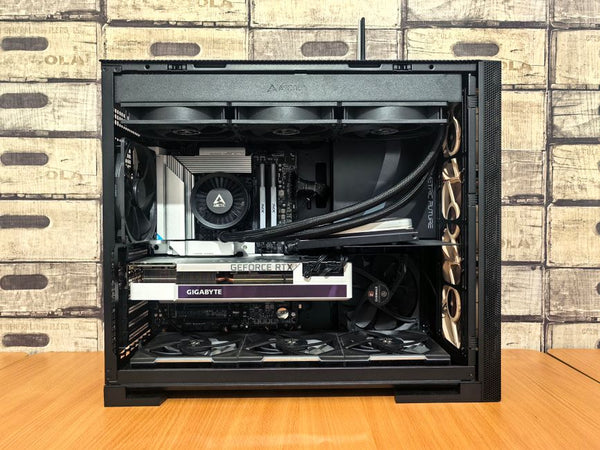
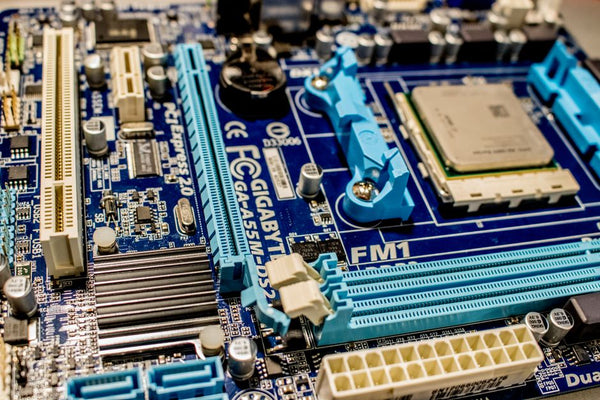
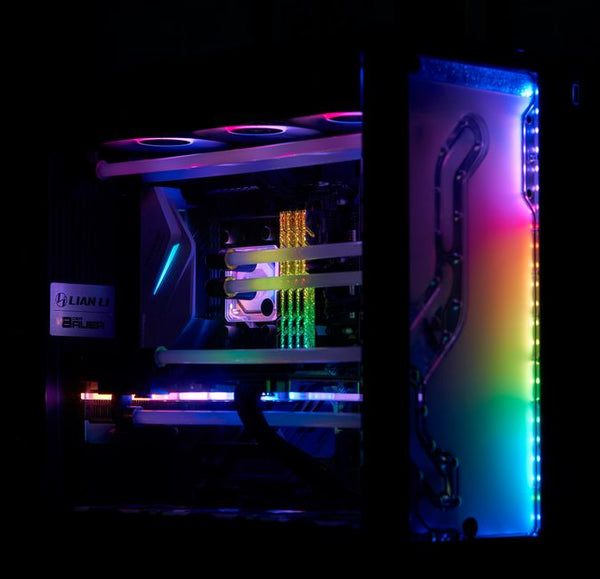
PC Components That Don't Make Sense Together
This is where my brain starts hurting. Asus paired flagship-tier processing power with decidedly mid-range graphics. It's like they looked at the gaming hardware market and said "what if we just... didn't balance anything?"
The 32GB of DDR5-5600 RAM is solid. The 1TB Gen4 SSD screams. Hell, even the 14-inch 165Hz display is pretty clean for competitive gaming. But none of that matters when your GPU is the bottleneck in literally every modern game.
Personally, I think Asus missed the mark by a mile here. They should've either gone full productivity machine with integrated graphics, or committed to the gaming angle with at least an RTX 4070. This weird middle ground serves nobody well.
Build Quality and Thermals
The TUF chassis feels solid enough. No flex in the keyboard deck, hinges seem sturdy, and the overall build quality matches what you'd expect from the TUF lineup. Nothing groundbreaking, but no complaints either.
Thermals are actually impressive given how much CPU power is crammed in here. The cooling system manages to keep the Ryzen chip under 85°C even during all-core workloads. Fan noise gets noticeable under load, but it's not the jet engine experience you sometimes get with gaming laptops.
The keyboard is decent for gaming - not mechanical obviously, but the key travel and response feel fine for FPS games. The trackpad is whatever. You're plugging in a mouse anyway if you're serious about gaming.
Price Point Problems
Here's where things get really frustrating. At $1,899, the A14 is competing directly with proper gaming laptops that'll smoke it in actual gaming performance. You could grab a Legion 5 Pro with an RTX 4070 for similar money and get 30-40% better gaming performance.
The only scenario where this makes sense is if you need laptop-level portability for heavy productivity work but occasionally want to game. That's such a specific use case that it barely justifies this product existing.
Hot take: Asus should've priced this at $1,499 max. At that price point, the compromises start making sense. At $1,899? You're in proper gaming laptop territory, and this thing just can't compete there.
When a customer comes into our shop in Orange, TX asking about gaming laptops, I'm steering them toward balanced builds every single time. CPU and GPU need to complement each other, not fight for attention.
Who Actually Benefits From This?
Content creators who travel constantly but don't game seriously. Video editors who need portability but strong processing power. Maybe some developers who occasionally boot up CS2 for stress relief.
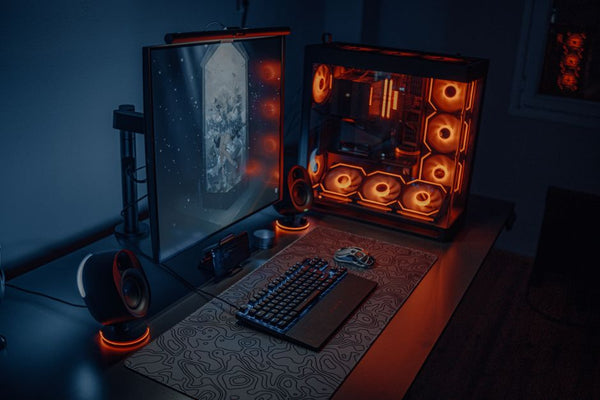
That's about it. The gaming market this supposedly targets? They're better served by literally dozens of other options. Even something from our Epic-Tier BitCrate builds ($2k+) would deliver better gaming value as a desktop setup.
The display is actually solid for competitive gaming - low input lag, decent color accuracy, and that 165Hz refresh rate feels smooth. But again, what's the point if your GPU can't push frames to utilize it properly?
The Bigger Picture Problem
This laptop represents everything wrong with how manufacturers approach gaming hardware right now. They're chasing specs that look good on paper instead of creating balanced systems that actually perform well in real-world scenarios.
Nobody asked for desktop-grade CPU performance in a gaming laptop that can barely handle modern games at respectable settings. It's like solving a problem that doesn't exist while ignoring the problems that actually matter.
The frustrating part? There's clearly engineering talent at Asus. The thermal solution is solid, the build quality is there, and they obviously know how to make fast computer parts work together. They just chose not to this time.
Final Thoughts on This Confused Machine
The TUF Gaming A14 isn't a bad laptop - it's just wearing the wrong jersey. Call it a productivity ultrabook with light gaming capabilities and suddenly the specs make way more sense. Market it as a gaming laptop and you're setting up customers for disappointment.
If you absolutely need this specific combination of portability, CPU power, and occasional gaming, it'll do the job. But 99% of people looking at gaming laptops should keep looking. There are better balanced options at every price point.
Asus needs to pick a lane and commit to it. Right now, the A14 is stuck in gaming laptop purgatory - too expensive for what it delivers in games, too gaming-focused for pure productivity users. That's not a recipe for success in 2026's competitive market.












Leave a Comment