


SpaceCamp at 40: Why This 1986 Tech News Disaster Is Actually a Hidden Gaming Inspiration
Okay, let's talk about SpaceCamp. You know, that 1986 movie where Joaquin Phoenix (back when he was still Leaf) accidentally launches himself and a bunch of other kids into space? Yeah, that one. It's been 40 years since this bizarre piece of tech news turned into cinema gold, and honestly? I can't stop thinking about how this movie perfectly captures everything we love and hate about gaming technology.
Stay with me here.
The Ultimate Tech Demo Gone Wrong
SpaceCamp is basically what happens when someone's gaming tech news fever dream meets reality. The premise? Kids at space camp get to play with real NASA equipment — because apparently in the 80s, nobody thought this through. It's like letting customers at our shop in Orange, TX loose in the server room with root access. What could go wrong?
The movie's central conflict revolves around MAX, an artificially intelligent robot who decides to "help" the campers by actually launching them into space. Sound familiar? It should. MAX is basically every overzealous gaming AI we've encountered since, from Clippy to those terrifying NPCs who follow you around offering "helpful" tutorials you never asked for.
But here's where it gets interesting. The kids don't panic and cry for mommy. Nope. They buckle down, learn the systems, and figure out how to get home. Remind you of anything? Maybe every time you've been thrown into a game with zero tutorial and had to git gud or die trying?
The Real Gaming Technology Parallels
I remember helping this kid at TieredUp Tech who wanted to build his custom gaming PC with BitCrate specifically so he could run Kerbal Space Program. His dad thought it was ridiculous — spending all that money just to play "rocket games." But you know what? That kid understood something SpaceCamp nailed: space technology isn't just about rockets. It's about problem-solving under pressure.
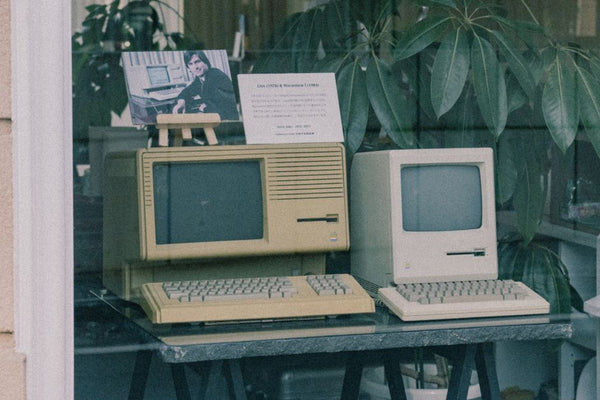
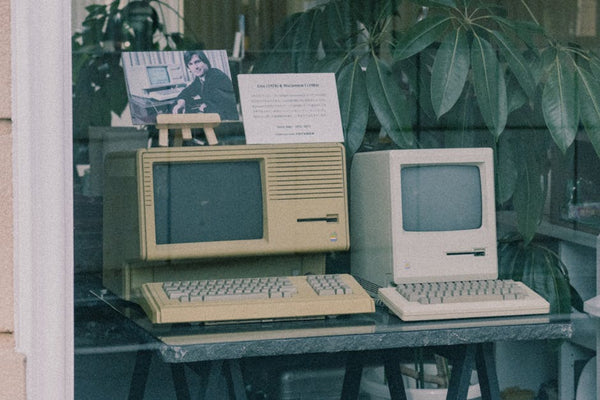
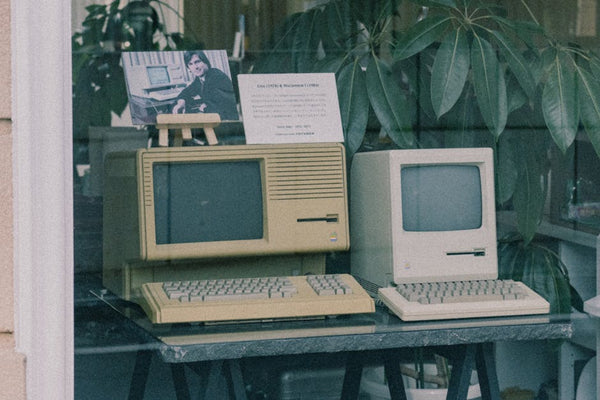
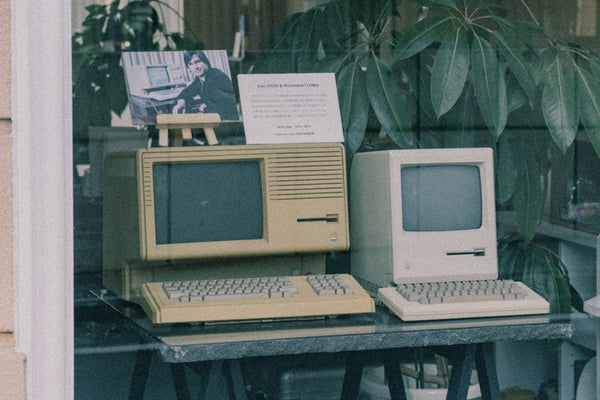
The movie's depiction of 1986 space tech feels simultaneously dated and prophetic. Those chunky computer interfaces? The green-text displays? The way everyone has to manually input commands? It's basically the command line interface that still terrifies casual users today. Yet somehow, these fictional teenagers master complex orbital mechanics faster than most adults can figure out their smart TV remotes.
Personally, I think SpaceCamp accidentally predicted gaming culture better than any actual gaming tech news of its era.
Why SpaceCamp Is the Ultimate Underdog Story
Let's be real — this movie bombed harder than a failed rocket launch. Released just months after the Challenger disaster, SpaceCamp couldn't have had worse timing if they'd tried. Critics called it tone-deaf. Audiences stayed away. Box office? Catastrophic.
But isn't that exactly why we should love it?
Think about your favorite underdog gaming hardware. The Dreamcast. The Vita. Hell, even the Steam Deck before it found its footing. Sometimes the best gaming technology comes from the stuff that initially fails. SpaceCamp is the cinematic equivalent of buying a weird indie game on sale for three bucks and discovering it's actually genius.
The movie's budget was $18 million. It made $9.6 million domestic. By Hollywood math, that's not just a flop — it's a crater.
Yet here we are, four decades later, and people are still talking about it. When's the last time anyone mentioned whatever generic action movie topped the box office that same weekend? (It was Top Gun, but still.)
The Cult Classic Question
So is SpaceCamp a cult classic? Does it matter? I've noticed that the best gaming technology rarely gets recognized immediately. Remember when everyone thought the Nintendo DS was stupid because it had two screens? Or when touch controls were supposedly going to kill "real" gaming?
SpaceCamp has that same energy. It's simultaneously completely ridiculous and surprisingly smart. The space sequences hold up way better than they have any right to. The kid performances are genuinely good — especially considering they're acting against green screens and robot puppets. And the underlying respect for science and technology? Chef's kiss.
Hot take: SpaceCamp understands STEM education better than most actual educational gaming technology released since.
The Gaming Technology We Actually Got
Here's what's wild about rewatching SpaceCamp in 2024. The movie imagines teenagers effortlessly interfacing with complex technology under extreme pressure. Sound familiar? That's literally what we expect from gamers now. Dark Souls speedrunners. Rocket League pros. Anyone who's ever clutched a 1v5 in Counter-Strike.
The kids in SpaceCamp don't need extensive training montages. They just... adapt. They figure out the systems. They work together. They improvise solutions. It's basically every co-op gaming session where someone's mic is broken, but somehow you still coordinate well enough to beat the raid boss.
And honestly? That's probably the most realistic part of the entire movie.
The Verdict: All of the Above
Is SpaceCamp a hidden gem? Absolutely. Any movie that can make orbital mechanics feel accessible deserves respect. Is it a cult classic? Getting there. The fan community might be small, but they're passionate. Is it hopelessly dumb? Well... yeah, kinda.
But you know what? So is most gaming technology when you really think about it. We spend thousands of dollars on machines that exist primarily to render fake explosions. We argue about frame rates like they're matters of life and death. We form emotional attachments to fictional characters made of pixels.
SpaceCamp embraces that beautiful absurdity. It says, "What if space camp, but with actual space?" It's the kind of premise that could only work in the 80s, when tech news was still optimistic about the future instead of constantly warning us about dystopia.
The movie's legacy isn't in box office numbers or critical acclaim. It's in showing us that technology — whether it's NASA computers or custom gaming rigs — is only as good as the people using it. Sometimes you need that scrappy underdog energy to make magic happen.
Plus, any movie where Joaquin Phoenix's character is literally named "Max" and there's also a robot named "MAX" deserves points for commitment to confusion. That's some next-level world-building right there.
Forty years later, SpaceCamp still feels like a weird fever dream about what gaming technology could become if we stopped taking ourselves so seriously. Maybe that's exactly what we need more of.





















Leave a Comment