


Why Musk's Failed Colossus 1 Gaming PC Build Teaches Us Everything About Mixed-Architecture Mistakes
You know that feeling when you build a gaming PC with mismatched components and wonder why performance tanks? Elon Musk just learned this lesson the hard way with his $3 billion Colossus 1 supercomputer. The mixed-architecture design couldn't handle frontier AI training for Grok, so now Anthropic's renting the entire 220,000-GPU cluster for Claude inference instead. It's like building a TCG deck with cards from different formats — technically possible, but you're gonna have a bad time.
As someone who's built countless custom gaming PCs and seen every possible component mismatch disaster, this Colossus situation hits different. Musk's already planning Colossus 2 with unified Blackwell architecture because he realized what every PC builder learns eventually: compatibility matters more than raw specs.
The Mixed-Architecture Gaming PC Build Nightmare
Let's break down what happened here. Imagine you're building a high-end gaming rig but decide to mix RTX 4090s with RTX 3060s because "more GPUs equals better performance," right? Wrong. Dead wrong.
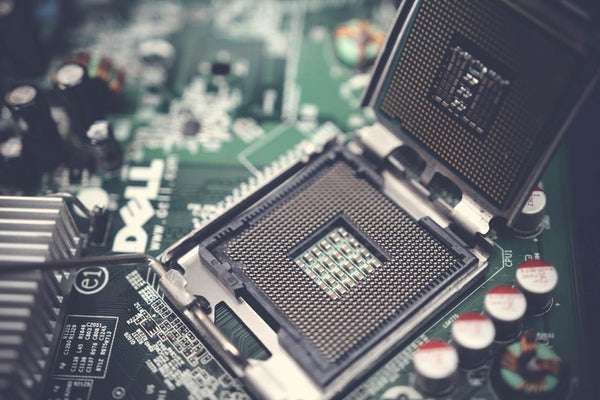
That's essentially what Colossus 1 represents — a frankenstein build that looks impressive on paper but falls apart when you need consistent, coordinated performance. The supercomputer uses a mix of different GPU architectures that can't efficiently communicate for the intensive parallel processing required for training large language models.
When I was helping a customer at our shop here in Orange, TX last month, they wanted to SLI two different generation cards. Had to explain why that's like trying to run a Magic: The Gathering tournament with cards from different sets — the rules change, timing gets wonky, and everything breaks down.
Why Training Workloads Demand Architectural Unity
Training AI models is basically the ultimate stress test. It's not gaming at 4K — it's like running 220,000 instances of Cyberpunk 2077 simultaneously while streaming, recording, and mining crypto. Every component needs perfect synchronization.
Mixed architectures create bottlenecks that cascade through the entire system. Different memory bandwidths. Varying instruction sets. Inconsistent power draws. It's chaos.
Personally, I think Musk's team knew this going in but rushed to market anyway. Sometimes you gotta ship the deck you have, not the deck you want — but in AI training, that philosophy will absolutely wreck your timeline and budget.
Anthropic's Smart Play: Using Colossus 1 for Inference
Here's where it gets spicy. Anthropic swooped in and leased the entire Colossus 1 cluster for Claude inference workloads. Think of inference as playing a game versus training being like learning the rules from scratch.
Inference is way more forgiving of mixed architectures. You're not trying to coordinate massive parallel updates across millions of parameters. Instead, you're just running individual queries through an already-trained model. It's like using your gaming PC for streaming — still demanding, but not nearly as brutal as trying to render a Pixar movie.
Claude's compute bottlenecks have been legendary in the AI community — users reporting multi-minute wait times during peak hours.
This lease deal is honestly genius from Anthropic's perspective. They get massive compute capacity without the upfront infrastructure costs, and Musk gets revenue from what would otherwise be a white elephant. Win-win, except for xAI's ego.
The Economics of AI Infrastructure
The numbers here are absolutely bonkers. We're talking about 220,000 GPUs — that's roughly $11 billion worth of hardware at current H100 prices. For context, that's enough GPUs to build 73,000 high-end gaming rigs with RTX 4090s.
But here's the kicker: idle compute is worthless. A $50,000 GPU sitting unused generates zero value, just like a sealed Black Lotus in your collection — impressive but not making you money until you actually use it.
Musk's basically running the world's most expensive used gaming desktop business right now, except instead of selling rigs to local gamers, he's leasing supercomputers to AI companies.
Colossus 2: Learning from Gaming PC Build Mistakes
Now we get to the redemption arc. Musk's planning Colossus 2 with unified Blackwell architecture — basically admitting the first attempt was a hot mess.
Smart move? Absolutely. It's like rebuilding your rig with matching RAM sticks, proper PSU capacity, and compatible components throughout. You lose the frankenstein aesthetic, but you gain actual performance.
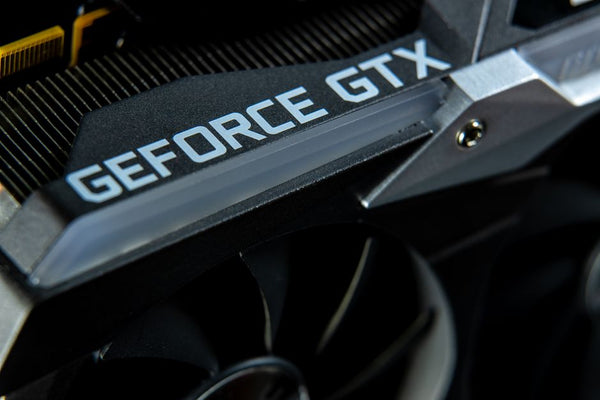
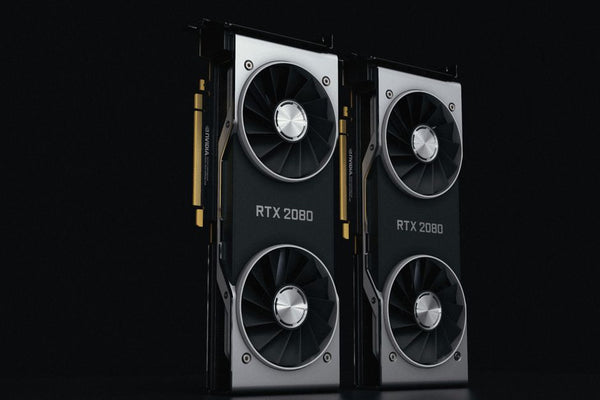
Blackwell GPUs are supposedly 2.5x more efficient for AI training compared to current H100s. That's not just marketing fluff — architectural improvements in AI accelerators follow similar patterns to gaming GPU generations. Remember jumping from GTX 1080 to RTX 2080? Same energy, but for machine learning workloads.
The IPO Connection That Changes Everything
Hot take: this whole infrastructure play is setting up for xAI's IPO strategy. Think about it — owning the picks and shovels during a gold rush is often more profitable than mining gold yourself.
If xAI positions itself as AI infrastructure provider first, AI company second, suddenly their valuation math gets interesting. Recurring revenue from compute leases, proven hardware expertise, and a moat around specialized AI infrastructure.
It's like transitioning from being a competitive TCG player to running the local game store. Different business model, potentially more stable income, definitely more scalable.
What This Means for Custom Gaming PC Builds
You might wonder why any of this matters for your next gaming PC build. Fair question.
The AI boom is reshaping the entire hardware market. GPU production priorities. Memory bandwidth demands. Even cooling solutions designed for AI workloads are trickling down to gaming hardware.
Plus, the lessons from Colossus 1's architectural mismatch apply directly to your build planning. Don't mix and match components from different generations unless you absolutely have to. Plan for compatibility first, raw performance second.
Architecture Matching in Your Next Build
When speccing out a high-performance gaming PC, consistency beats peak specs every time. Better to have eight sticks of DDR5-5600 than to mix DDR5-6000 with DDR5-5600 and wonder why your 1% lows are terrible.
Same principle applies to storage. NVMe drives from the same product line will play nicer together in RAID configurations than mixing brands and controllers.
Honestly, watching billion-dollar companies make the same mistakes I see in $2,000 gaming builds is both hilarious and validating. The fundamentals of system architecture scale from desktop PCs to supercomputers.
Looking Forward: The Infrastructure Wars
We're entering an era where AI infrastructure becomes as important as the AI models themselves. Musk understands this, which is why he's doubling down with Colossus 2 despite Colossus 1's training limitations.
The real question isn't whether unified architectures perform better — they obviously do. It's whether the AI industry will consolidate around a few massive infrastructure providers or if we'll see a more distributed approach.
My money's on consolidation. The capital requirements are too high, the technical complexity too deep, and the scaling advantages too significant for small players to compete long-term.
For us in the gaming PC space, this trend might actually be positive. As AI companies gobble up the latest and greatest hardware, previous-generation components should become more available and affordable for gaming builds. That RTX 4090 might finally hit reasonable pricing when everyone's chasing H200s instead.
The AI infrastructure wars are just getting started, and frankly, it's about time someone learned that throwing money at mismatched hardware doesn't automatically solve architectural problems. Musk's Colossus saga proves that even with unlimited budgets, you still need to respect the fundamentals of system design — whether you're building a $2,000 gaming rig or a $3 billion supercomputer.











Leave a Comment