


This Legendary Coder Just Made Windows XP Notepad in 2,749 Bytes — What This Means for Custom Gaming PC Builds
Dave W Plummer just dropped the mic on modern software bloat. Hard. The Windows legend coded a full-feature-parity version of Windows XP Notepad in pure x86 assembly — and it's only 2,749 bytes. For perspective, that's smaller than most image thumbnails on your gaming rig.
This isn't some stripped-down knockoff either. We're talking full feature parity with the original XP Notepad that millions of us used for config files, quick notes, and those late-night gaming session logs. The entire program fits in less space than a single Discord emoji takes up in memory.
Why should you care about this retro coding flex when you're planning your next gaming PC build? Because it's a masterclass in efficiency that modern game developers have completely forgotten.
Assembly Language: The Ultimate Performance Hack
Assembly code is basically talking directly to your CPU. No middleware. No bloated frameworks. Just pure, unfiltered instructions that your processor can execute immediately. It's like the difference between shouting across a crowded room versus having a direct phone line.
Plummer's RetroPad proves something crucial: modern software is embarrassingly inefficient. Your typical text editor today? We're talking 50-200MB easy. Microsoft's own modern Notepad replacement weighs in at over 10MB just for the executable. That's roughly 3,600 times larger than RetroPad for the same functionality.
Think about that ratio for a second. What if your gaming PC could run everything 3,600 times more efficiently?
What Modern Gaming Can Learn From 2,749 Bytes
Here's where it gets spicy for us gamers. Every MB of bloated code running in the background is stealing performance from your games. That Discord app eating 400MB of RAM? Those twelve Chrome tabs you "need" open while gaming? All that Electron-based garbage running your RGB software?
It's death by a thousand cuts.
When I'm spec'ing builds for customers here in Orange, TX, we always talk about maximizing every dollar of performance. But we rarely discuss how much performance modern software just throws away. Plummer's tiny Notepad is a reminder that efficient code can do more with dramatically less.
Personally, I think modern developers have gotten lazy. Why optimize when you can just tell users to buy more RAM? It's honestly frustrating watching games stutter on high-end hardware because some background process is hogging resources for no good reason.
The Lost Art of Tight Code in Gaming
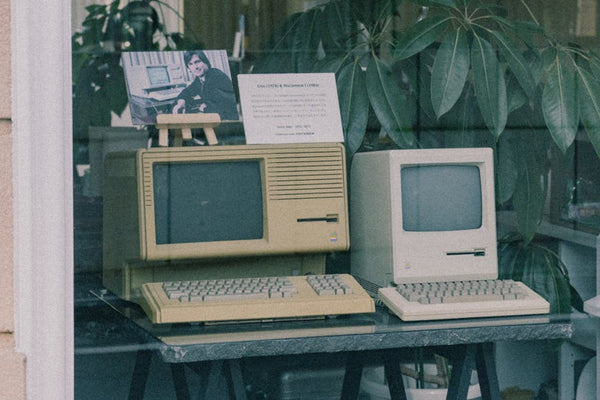
Remember when id Software fit the entire original Doom on a few floppy disks? John Carmack and his team were coding wizards who squeezed impossible performance out of 486 processors. Every byte mattered. Every instruction was deliberate.
Fast forward to 2024. Call of Duty: Modern Warfare III demands 149GB of storage. That's not just assets — it's bloated code, redundant systems, and zero optimization pressure. Sure, games look incredible now, but are they really 50,000 times more complex than Doom? Nah.
The original Doom was approximately 2.39MB. Modern warfare games are pushing 150GB+. That's a 62,000x increase in size for what's arguably the same core experience: shooting things really well.
RetroPad shows us what's possible when someone actually cares about efficiency. Dave Plummer didn't just write assembly because he could — he did it because he remembered when software was lean, mean, and respectful of system resources.
Building Gaming PCs in the Age of Bloat
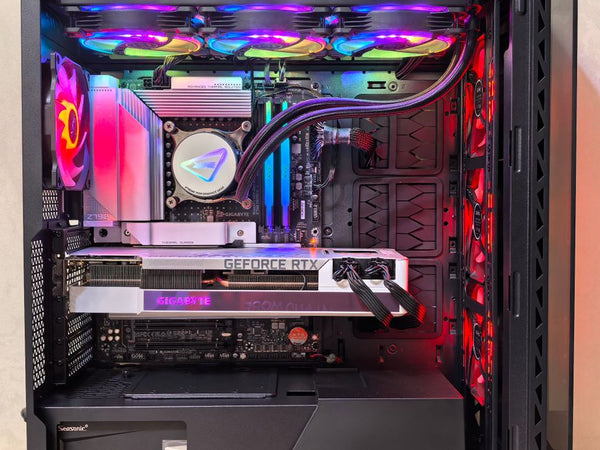
This efficiency gap is why your custom gaming PC build needs serious consideration beyond just GPU horsepower. You're not just fighting game requirements anymore — you're fighting an ecosystem of bloated software that treats your premium hardware like a bottomless resource well.
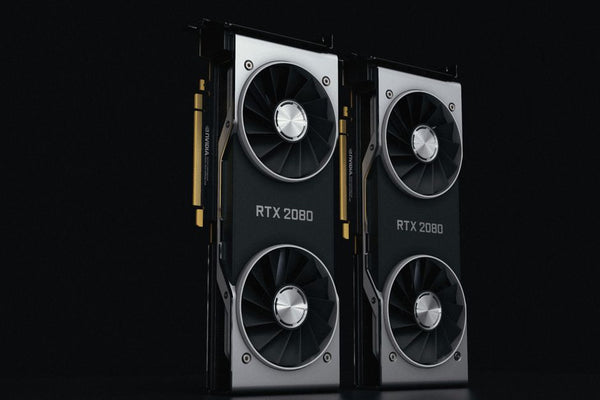
I've seen RTX 4090 builds stutter in CS2 because someone's running seventeen different RGB control programs, each one a bloated Electron app eating precious CPU cycles. It's genuinely painful to watch.
Hot take: half the "gaming performance issues" I troubleshoot aren't hardware problems. They're software efficiency problems. Your gaming PC shouldn't need 32GB of RAM to run smoothly, but here we are because modern software is hilariously wasteful.
Why This Matters for Your Next Build
When you're building your custom gaming PC, you're making choices about where to spend money for maximum performance. But what if I told you that optimizing your software stack could give you better results than upgrading from a Ryzen 5 to a Ryzen 7?
RetroPad demonstrates that intelligent programming can achieve full functionality in microscopic footprints. Imagine if game engines followed this philosophy. Your current rig could probably handle games that look twice as good if developers coded with Plummer's mindset.
The reality is harsh though. We're stuck with the bloat ecosystem, so we build around it. That's why modern gaming PC build guides always recommend more RAM than you theoretically need. It's not for the games — it's for everything else hogging memory while you game.
Assembly's Lessons for Hardware Choices
Plummer's assembly coding reminds us that CPU efficiency still matters enormously. A processor that can execute lean, optimized code blazes through tasks that would bog down in framework overhead. This is why Intel's single-thread performance improvements in recent generations make such a noticeable difference in gaming — they're not just handling bloated code faster, they're executing the good code much faster.
Similarly, fast storage isn't just about game load times anymore. It's about handling the constant background churning of inefficient software that modern systems seem to require. An NVMe SSD isn't just a luxury — it's mandatory damage control.
Honestly, there's something beautifully ironic about discussing assembly-level efficiency while planning builds with 64GB of RAM to handle Slack, Discord, and seventeen browser tabs. But that's the world we're gaming in now.
The Future Is... Complicated
Will developers learn from RetroPad's efficiency demonstration? Probably not. The incentive structure just isn't there. Why spend weeks optimizing code when you can ship faster and tell users to upgrade their hardware?
But for us building gaming PCs, Plummer's 2,749-byte masterpiece serves as a reminder of what's actually possible with thoughtful engineering. Every time you're frustrated by a system slowdown from background processes, remember that someone just proved you could run a full text editor in less space than a small image file.
Maybe the real lesson isn't about going back to assembly language. Maybe it's about demanding better from the software we choose to run on our carefully crafted gaming rigs. Because if Dave Plummer can recreate Windows XP Notepad in under 3KB, the least we can do is be more selective about which 200MB Electron apps we let loose on our systems.
Your RTX 4090 deserves better than being a glorified bloatware processor. Time to start treating it like one.













Leave a Comment