


Xbox Storage Costs Exploding: Tech News Shows Console Hardware Crisis Getting Real
Microsoft's latest earnings call just dropped a bombshell that's got me questioning everything about next-gen consoles. Xbox CEO Asha Sharma straight-up admitted that memory and storage costs for their upcoming Helix console will be five times higher in 2027 compared to just two years ago. Five times. Let that sink in.
This isn't your typical corporate damage control either. Sharma called the situation "unsustainable" and said the hardware gap between what consumers expect and what's financially viable "cannot continue." When a trillion-dollar company starts sweating about component costs, you know we're in uncharted territory.
Why Xbox's Storage Crisis Matters for Every Gamer
Here's what's really happening behind the scenes. The Xbox Helix — Microsoft's next big console play — needs insane amounts of fast storage to handle their DirectStorage API promises. We're talking PCIe 5.0 NVMe speeds as baseline requirements. Not optional. Baseline.
Current Xbox Series X uses a custom 1TB NVMe that costs Microsoft roughly $80-100 per unit. Basic math says that same storage solution would cost them $400-500 by 2027. That's before factoring in the performance jumps they're promising.
Personally, I think this is Microsoft finally admitting what PC builders have known for years — premium storage isn't getting cheaper, it's getting necessary. When I help customers spec out their Epic-Tier BitCrate builds ($2k+) here at our Orange, TX shop, storage is often the biggest budget killer. A solid 2TB Gen5 drive easily runs $300-400, and that's retail pricing.
The Real Numbers Behind the Crisis
Let's break down what Xbox is actually facing. Current gen consoles launch with slim margins — Sony typically loses $100-200 per PS5 initially. Microsoft's been eating similar costs on Series X units.
If storage costs alone jump from $100 to $500 per console, Microsoft would need to either jack up retail prices by $400 or eat a $600+ loss per unit.
Neither option works. $900 consoles? Dead on arrival. $600 losses per console? Shareholders would riot.
Gaming technology evolution isn't waiting for affordable components either. Ray tracing demands faster memory bandwidth. 4K 120fps needs massive storage throughput. HDR gaming requires larger textures. These aren't nice-to-haves anymore — they're table stakes for next-gen gaming.
What This Means for Console vs PC Gaming
Hot take: this storage crisis might finally break the console value proposition completely. Think about it. If Xbox Helix launches at $700-800 because of storage costs, why not just build a PC?
A decent gaming rig with similar specs would run maybe $1200-1500 total. Yeah, it's more upfront, but you get:
- Upgradeable storage that doesn't lock you into proprietary solutions
- Multiple storefronts competing for your money
- Backwards compatibility going back decades
- No online subscription fees for basic multiplayer
The math starts making sense when consoles aren't subsidized anymore. Microsoft's been banking on Game Pass subscriptions and digital game sales to offset hardware losses. If hardware becomes profitable from day one, that entire strategy crumbles.
Why PC Building Suddenly Looks Smarter
Here's where things get interesting for tech news followers. Microsoft's admission basically validates what PC enthusiasts have been saying about storage requirements. We've been living in this expensive storage world already.
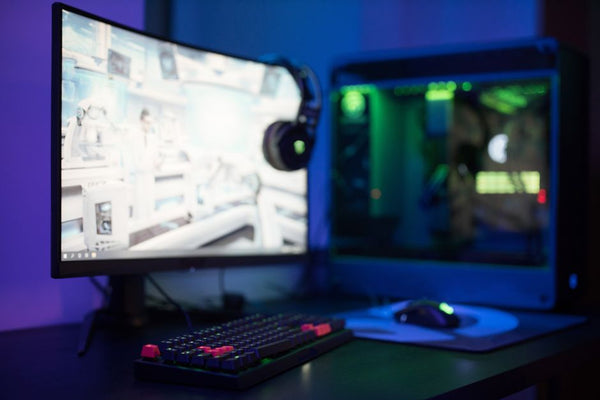
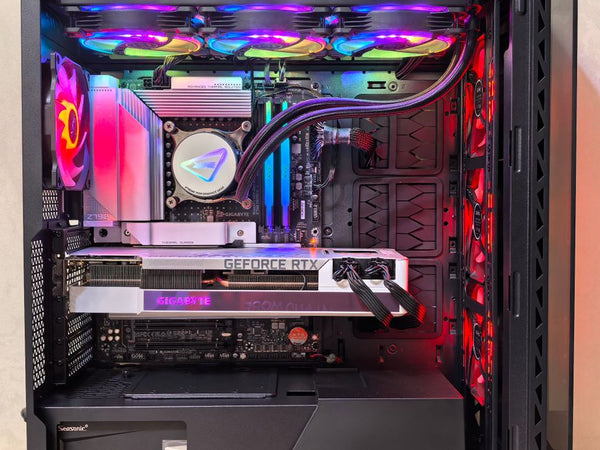
A high-end gaming PC today with proper PCIe 5.0 storage, DDR5 RAM, and room for upgrades isn't just future-proof — it's basically what next-gen consoles are trying to become. The difference? You control your upgrade path.
When Cyberpunk 2077's Phantom Liberty dropped, PC players with fast NVMe drives were loading into Night City in 8-10 seconds. Console players? Still waiting 30-45 seconds on current-gen hardware. That gap isn't shrinking without expensive storage solutions.
The Bigger Picture: Gaming Hardware Economics Are Broken
Honestly, I think we're witnessing the end of the console era as we know it. Not because consoles are dying, but because the economic model that made them viable is collapsing.
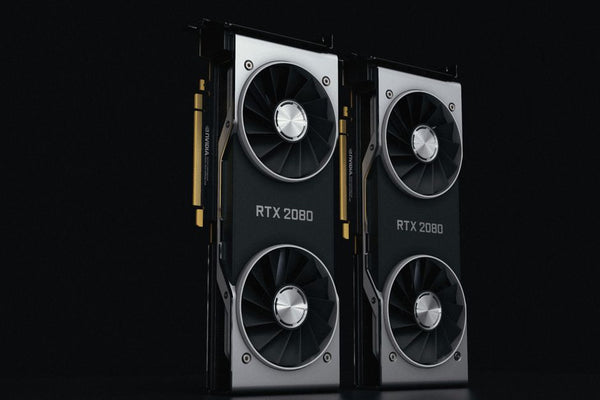
Memory prices aren't just rising — they're exploding. GDDR6X costs more than ever. PCIe 5.0 controllers are still premium silicon. High-bandwidth memory for graphics processing isn't getting democratized fast enough to support console-scale production.
Meanwhile, gaming demands keep escalating. Want to run Starfield at 60fps with all the bells and whistles? That takes serious hardware. Want instant loading in Spider-Man 2? That needs premium storage. Want ray-traced reflections that don't tank your framerate? Premium everything.
The console business model worked when cutting-edge hardware got cheap fast. That's not happening anymore. Cutting-edge stays expensive longer, and mainstream hardware can't keep pace with gaming ambitions.
What Gamers Should Actually Do Right Now
Don't panic-buy anything yet. But start thinking differently about your gaming investments.
If you're eyeing a console upgrade, consider waiting to see how this shakes out. Xbox Series X and PS5 still have solid lifespans ahead. No need to jump on whatever expensive solution Microsoft cobbles together for Helix.
If you're PC-curious, this might be the perfect time to make the switch. Build costs aren't getting worse faster than console prices are rising. Plus you get granular control over where your money goes. Want to spend extra on storage but skimp on RGB lighting? Your choice.
For those already gaming on PC, this validates your platform choice hard. Your upgrade path isn't dependent on Microsoft's ability to subsidize hardware or negotiate better component pricing.
The real question isn't whether Xbox can solve this storage crisis — it's whether the entire console model survives the transition to truly high-performance gaming hardware. My money's on a fundamental shift in how we think about gaming platforms over the next five years. The old rules just don't apply when basic components cost five times more than they used to.











Leave a Comment