


AMD's New EXPO Ultra Low Latency: The Gaming PC Build Upgrade You've Been Waiting For
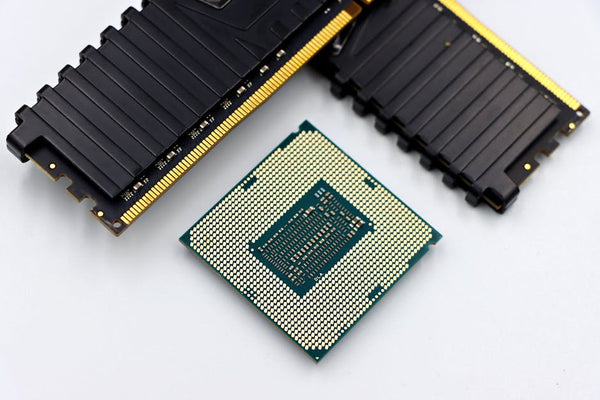
AMD just dropped some spicy news that's got me questioning everything I thought I knew about memory overclocking. Their new EXPO 'Ultra Low Latency' tech promises a 13% performance boost over standard DDR5 speeds, with an extra 4% on top of regular EXPO profiles. That's not synthetic benchmark fluff — we're talking real gaming performance gains.
Look, I've been skeptical of memory marketing claims since the dawn of RGB RAM sticks. But 13% is serious business when you're chasing those extra frames in competitive shooters.
What Actually Is EXPO Ultra Low Latency?
Think of standard EXPO as your reliable teammate who shows up and does their job. Ultra Low Latency is that same teammate after three espressos and a pep talk. AMD's essentially pushing memory timings even tighter while maintaining stability through some next-level automatic tuning.
The magic happens in the sub-timings. While your typical DDR5-5600 kit runs CL40 timings, this new tech digs deeper into tertiary timings that most people never touch. We're talking tRFC, tREFI, and other acronyms that make your eyes glaze over but actually matter for frame times.
Honestly? This feels like AMD finally caught up to what Intel's been doing with XMP 3.0. Better late than never, but competition breeds innovation.
The Performance Numbers That Actually Matter
Let's be real about what 13% means in gaming terms. If you're running Valorant at 280fps average, you're looking at potentially hitting 317fps. That's the difference between smooth gameplay and buttery smooth gameplay when you're running a 360Hz monitor.
But here's where it gets interesting for different game types:
- Competitive FPS games: Frame time consistency matters more than peak FPS, and tighter memory timings directly impact 0.1% lows
- Open-world RPGs: Memory bandwidth helps with asset streaming, reducing those annoying stutters in games like Cyberpunk 2077
- Strategy games: CPU-bound scenarios see the biggest gains from lower memory latency
The 4% improvement over standard EXPO might sound modest, but that's free performance. Zero effort required beyond enabling the profile in BIOS.
Why This Matters for Your Custom Gaming PC Build
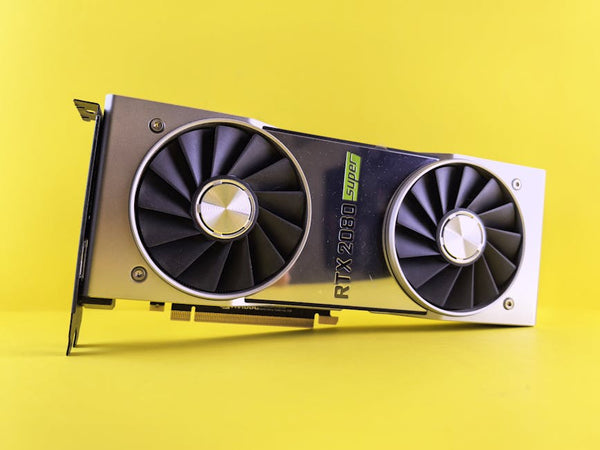
Memory has become the silent bottleneck in modern gaming rigs. You can drop $800 on a RTX 4070 Ti Super and still get held back by slow RAM. I've seen this countless times when customers bring their builds to our shop here in Orange, TX — great GPU, solid CPU, but they cheaped out on a basic DDR5-4800 kit.
The sweet spot for DDR5 pricing has been hovering around DDR5-5600 to DDR5-6000 kits. If EXPO Ultra Low Latency works on these mainstream speeds, we're talking about accessible performance gains, not just extreme overclocking territory.
What's really exciting is the automatic nature of this tech. Manual memory overclocking is a pain. Hours of testing, voltage tweaking, and stability runs just to squeeze out a few percentage points. If AMD can deliver these gains with a simple BIOS toggle, that changes everything for mainstream builders.
The Technical Deep Dive Nobody Asked For
AMD's approach seems focused on tRCD and tRP optimizations — the timings that directly impact how quickly your CPU can access stored data. While frequency grabs headlines, these timings determine real-world responsiveness.
Think about it like this: frequency is how fast your memory can theoretically move data. Timings are how quickly it can actually start moving that data when asked. Lower timings mean less waiting around, which translates to smoother frame delivery.
The question mark hanging over this whole thing? Compatibility. Will your existing DDR5 kit support these new profiles, or do you need specific modules? AMD hasn't been crystal clear on this point, and that matters for anyone building right now.
Should You Wait or Build Now?
Here's my hot take: if you're planning a custom gaming PC build in the next three months, this news changes the memory equation. But don't put your entire build on hold for a feature that might not work with your chosen motherboard and RAM combo.
The smart play? Buy quality DDR5 now from reputable manufacturers like G.Skill, Corsair, or Kingston. These companies usually provide BIOS updates to support new overclocking profiles on existing kits. Worst case scenario, you have solid performing memory. Best case, you get these new gains via firmware update.
Personally, I think the bigger story isn't the 13% number — it's AMD pushing memory manufacturers to optimize their profiles better. Competition drives innovation, and Intel's been ahead on memory overclocking for too long.
Real-World Implementation Questions
The devil's always in the details with memory overclocking. Will these profiles work across all AM5 motherboards, or just high-end X670E boards? What about power consumption and heat generation? Tight timings usually mean higher voltages, which means more heat.
I'm also curious about stability testing methodology. Memory errors are sneaky — your system might boot and run games fine for weeks before corrupting a save file or causing a random crash. AMD better have done their homework on long-term stability testing.
Another consideration: what happens to warranty coverage? Some manufacturers get twitchy about anything beyond JEDEC specifications, even with official overclocking profiles.
The Bigger Picture for Gaming Performance
This announcement represents something bigger than just faster memory timings. AMD's finally taking gaming performance seriously across their entire ecosystem. AM5 platform maturity, better memory controllers, and now optimized overclocking profiles — they're building a complete package.
For competitive gamers running 240Hz+ monitors, every frame matters. Input lag reduction from better memory performance might only shave off a few milliseconds, but that's the difference between hitting a flick shot and missing it in CS2 or Apex Legends.
The timing feels strategic too. With new GPU launches from both AMD and NVIDIA expected this year, having optimized memory performance ready gives AMD's platform an edge. Why buy Intel when AMD offers both strong CPU performance and superior memory optimization?
But let's pump the brakes on the hype train for a second. We've seen memory marketing claims before that didn't pan out in real-world testing. Remember when DDR4-4000 was supposed to revolutionize gaming? Most people ended up running DDR4-3200 for stability reasons.
What This Means for Different Budget Tiers
Budget builders running Ryzen 5 processors might see the biggest relative gains. These CPUs are often memory bandwidth limited, so better timings could unlock hidden performance. High-end Ryzen 9 builds already have plenty of memory bandwidth, making the gains more marginal.
The sweet spot likely hits mid-range gaming builds hardest. Ryzen 7 with a RTX 4060 Ti or RX 7700 XT — that's where memory optimization really shines. You're not completely GPU limited, so the CPU can actually utilize those extra memory performance gains.
For anyone running a gaming PC build with integrated graphics or APUs, this could be transformational. Shared memory bandwidth matters huge for integrated GPU performance. A 13% memory improvement might translate to 20%+ graphics performance in some scenarios.
AMD's playing the long game here. They want AM5 to be the obvious choice for builders, and delivering consistent performance improvements through the platform's lifecycle makes that case stronger. This isn't just about beating Intel in benchmarks — it's about creating an ecosystem that keeps getting better over time.
The real test comes when independent reviewers get their hands on this tech. Marketing slides are one thing, but frame time analysis with actual game testing tells the real story. Until then, we're all just speculating about what could be a genuine game-changer for AMD's platform competitiveness.












Leave a Comment