


Anthropic's Claude AI Jailbreak Drama: What Gamers and Tech Buyers Need to Know About AI Security
So apparently the US government told Anthropic their Claude AI model got jailbroken by Chinese hackers, and the company basically said "nah, we're good" and refused to patch it. Bro, what?
This whole mess started when David Sacks dropped some serious tech news that has everyone in the AI space losing their minds. According to him, the feds warned Anthropic that their Claude model — specifically something called "Fable 5" — had been compromised. CEO Dario Amodei allegedly shrugged it off, claiming the jailbreak "isn't serious." The audacity is genuinely wild here.
What the Hell is a Fable 5 Jailbreak Anyway?
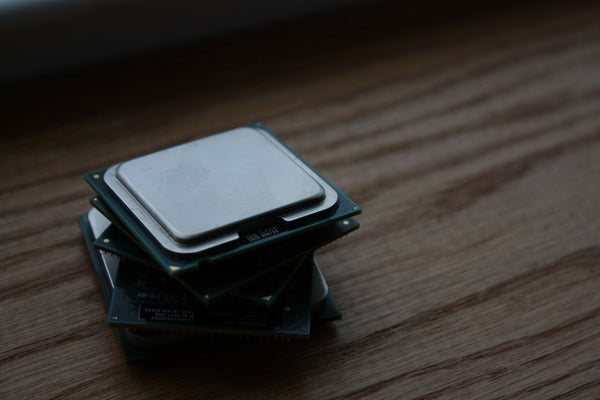
Look, I've built over 50 systems and seen my share of security BS, but AI jailbreaks are a different beast entirely. When someone "jailbreaks" an AI model, they're basically tricking it into ignoring its safety guardrails. Think of it like overclocking your CPU past safe limits, except instead of potentially frying your hardware, you're potentially getting an AI to do things it was explicitly programmed not to do.
The "Fable 5" part is what's really interesting though. This isn't some script kiddie nonsense — we're talking about sophisticated access to what's supposedly one of the most advanced language models on the planet. If Chinese actors really did crack this thing, that's not just "not serious" — that's a national security issue.
Why This Matters for Regular Tech Users
Here's where it gets real for us normies building gaming rigs and upgrading systems. AI security isn't some abstract concept anymore. These models are getting integrated into everything from Windows 11 to gaming technology platforms to the apps on your phone. When I'm working with customers at our shop here in Orange, TX, half of them don't even realize how much AI is already baked into their daily computing experience.
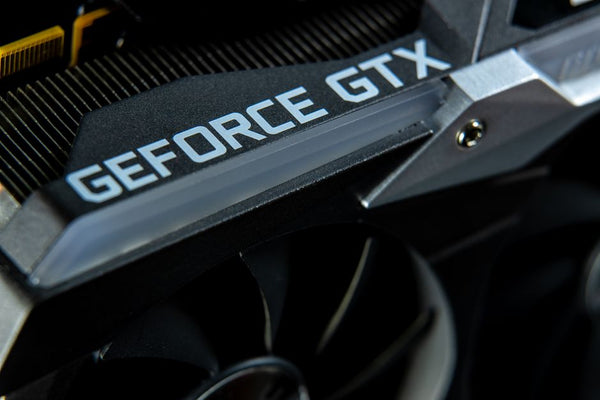
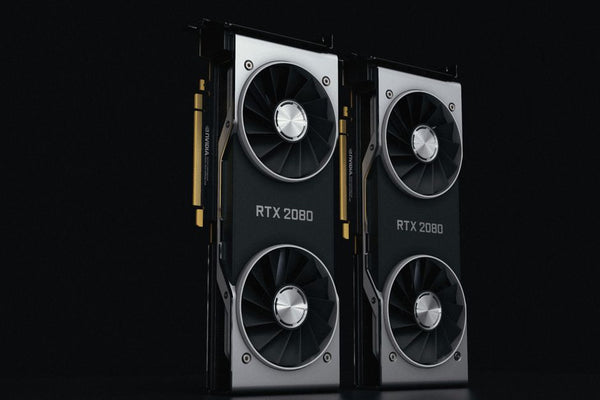
Your RTX 4080 has AI acceleration built right in. DLSS 3? That's AI. Voice recognition on your headset? AI. Even some of the newer gaming optimization software relies on machine learning algorithms.
The Export Control Angle Makes This Spicier
Now here's where this story gets really juicy. The government didn't just casually mention this vulnerability — they brought it up in the context of export controls. That means they were probably considering whether Anthropic's tech should be restricted from international access because of security concerns.
Personally, I think Anthropic played this completely wrong. When the US government comes knocking about foreign adversaries accessing your AI systems, you don't get to decide it's "not serious." That's like NVIDIA saying China reverse-engineering their GPU architecture isn't a big deal because "eh, it's just silicon."
The timeline here matters too. This happened before new export restrictions went into effect, which suggests the government was already eyeballing AI companies for potential security risks. Anthropic had a chance to get ahead of this mess and chose not to.
What This Means for Gaming and Consumer Tech
Hot take: this kind of corporate arrogance around AI security is going to bite the entire tech industry in the ass. We're already seeing gaming companies rush to slap "AI-powered" labels on everything from matchmaking to graphics rendering without properly securing their implementations.
Remember when Valorant's anti-cheat system caused massive controversy because it ran at kernel level? That was nothing compared to what we're heading toward with AI integration. If major AI companies can't even take government security warnings seriously, what hope do we have for proper security in consumer applications?
I've seen customers come into the shop worried about their data privacy with newer Windows features like Copilot. Honestly? Their concerns are completely valid when stuff like this is happening at the enterprise level.
The Bigger Picture: AI Security in Gaming Technology
This Anthropic situation isn't happening in a vacuum. The gaming industry is going absolutely ham with AI integration right now. AMD's FSR uses machine learning. Intel's Arc GPUs have dedicated AI acceleration units. Hell, even motherboard manufacturers are starting to include AI optimization features in their BIOS.
But here's what nobody wants to talk about: if a company like Anthropic — which positions itself as the "safety-focused" AI company — can't properly secure their models, what makes anyone think gaming companies are doing better?
Take NVIDIA's GeForce Experience software. It already phones home with detailed system specs and usage patterns. Now imagine that data pipeline potentially compromised by foreign actors who've figured out how to jailbreak the AI systems processing that information.
What Should Tech Buyers Actually Do?
Ngl, this whole situation makes me rethink some recommendations I've been making to customers. Should you avoid AI-accelerated hardware? Probably not — the performance benefits are real and the tech isn't going anywhere.
But you should definitely be more skeptical of marketing claims about AI security. When companies say their AI features are "secure by design" or use other vague language, that's often corporate speak for "we hope nothing bad happens."
For gaming specifically, stick to hardware from manufacturers with solid track records. ASUS, EVGA (RIP), and MSI have generally been transparent about security issues when they arise. Avoid no-name brands that slap AI stickers on everything without explaining what their systems actually do.
"If you need any repairs on devices that might have AI features you're unsure about, places like our Phone & Tablet Repair services in Orange TX can help you understand what data your devices are actually processing."
The Real Problem: Corporate Accountability
What pisses me off most about this whole Anthropic mess isn't even the security vulnerability itself — shit happens in tech. It's the attitude that a private company gets to decide whether national security concerns are valid.
Dario Amodei's response basically boils down to "trust me bro, it's fine." That's not how this works when you're building technology that could potentially be weaponized. The government warning should have triggered an immediate security audit, not a dismissive shrug.
This kind of thinking is exactly why we end up with crappy IoT devices that never get security updates, or why gaming peripherals ship with Chinese spyware baked in. Companies prioritize shipping features over securing them, then act surprised when bad actors exploit their systems.
If you're shopping for used gaming desktops or building a new rig, this is why doing your homework on manufacturers matters. The cheapest option isn't always the best when it comes to long-term security and support.
The AI arms race is just getting started, and if this Anthropic situation teaches us anything, it's that we can't trust companies to self-regulate when it comes to security. The government might need to step in more aggressively, and honestly? After seeing how this played out, maybe that's not such a bad thing.
Next time a tech CEO tells you their revolutionary AI isn't a security risk despite government warnings, maybe don't take their word for it. Just saying.











Leave a Comment