


Hardcore SpongeBob Speedrunners GPU Performance: When Dirty Discs Beat Clean Hardware
Bro, I've seen some wild stuff in my 15+ years of building gaming rigs, but this SpongeBob speedrunning revelation has me questioning everything I know about optical drive performance. These absolute madlads figured out that smearing their Xbox discs with literal grease and sweat creates intentional read errors that trigger a "lag clip" exploit in Battle for Bikini Bottom. We're talking about purposefully degrading hardware performance to gain competitive advantage.
This isn't your typical GPU review territory, but it's making me think about how we evaluate gaming performance when the community finds ways to weaponize hardware limitations.
The Filthy Disc Meta: When Bad Performance Becomes Good
Let's break down what's actually happening here. The Xbox's optical drive struggles to read through the greasy smears, causing specific frame drops that allow speedrunners to clip through certain walls and skip entire sections. It's like deliberately creating GPU stutters to exploit timing windows in modern games.
Think about it — these runners are achieving sub-hour completion times on a game that normally takes 8-10 hours. That's not just optimization; that's breaking reality through hardware abuse.
The technique works because the Xbox DVD drive can't maintain consistent read speeds when encountering physical obstructions on the disc surface. This creates predictable lag spikes that, when timed correctly, allow the character model to pass through collision detection barriers.
Why This Matters for Modern Gaming Hardware
You might wonder what this grimy speedrunning trick has to do with current-gen gaming performance. Honestly, more than you'd think.
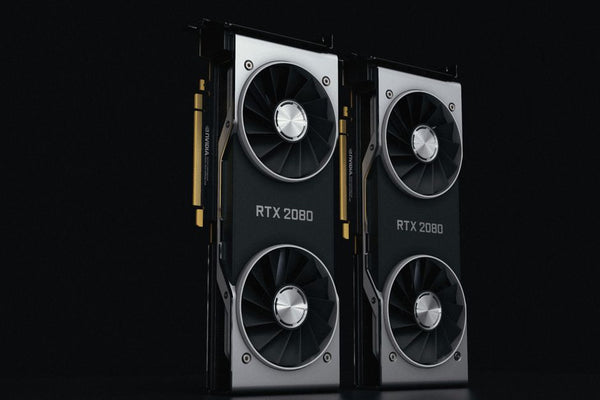
Modern SSDs and NVMe drives eliminated most loading-based exploits, but similar frame timing exploits still exist in competitive gaming. I've had customers at our shop here in Orange, TX ask about downclocking their RTX 4090s to achieve more consistent frame times for specific esports titles. Sounds crazy, right?
The principle is identical. Sometimes peak performance isn't optimal performance for your specific use case.
Hardware Exploitation vs Gaming Performance: A GPU Benchmark Perspective
This whole situation makes me reconsider how we approach CPU benchmark testing and gaming performance metrics. Standard benchmarks measure maximum capability, but competitive gaming often rewards consistency over raw power.
Take CS2 for example. Players will cap their RTX 4080 at 240 FPS instead of running unlimited frames because consistent timing matters more than hitting 500+ FPS spikes. It's the digital equivalent of those greasy SpongeBob discs — intentionally limiting performance for competitive advantage.
The Technical Reality of Optical Drive Lag Exploitation
Here's where it gets interesting from a hardware perspective. The Xbox optical drive operates at variable speeds depending on disc condition and data density. Clean discs maintain 2-16x read speeds, but introduce physical obstructions and you're looking at significant slowdowns.
Speedrunners discovered that petroleum-based substances (skin oils, literal grease) create the perfect amount of read interference. Too little and the trick doesn't work. Too much and the game won't load at all.
This level of precision reminds me of memory overclocking. You're pushing hardware to the exact edge of failure without crossing the line into instability.
"We're looking at completion times dropping from 1 hour 15 minutes to 56 minutes purely through disc degradation techniques."
Modern Hardware Can't Replicate This Magic
Here's the thing that's genuinely fascinating — you can't recreate this exploit on modern systems. Digital downloads, faster storage, and improved error correction make this impossible on current-gen hardware.
Backward compatibility modes try to emulate original Xbox behavior, but they can't replicate the specific optical drive quirks that make this exploit work. The Series X runs Battle for Bikini Bottom flawlessly, which actually makes it inferior for speedrunning purposes.
Hot take: This proves that newer isn't always better for competitive gaming. Sometimes you need the jank.
What This Teaches Us About Gaming Performance Optimization
As someone who's built hundreds of gaming rigs, this SpongeBob situation highlights something important about performance optimization. We obsess over eliminating bottlenecks, but competitive gaming often creates artificial bottlenecks for advantage.
Consider these modern examples:
- Valorant players using 1080p on RTX 4090s for maximum frame rates
- Fighting game communities preferring CRT monitors for zero input lag
- Speedrunners choosing specific GPU drivers for glitch consistency
The hardware isn't the limitation — the use case is.
The Competitive Gaming Hardware Paradox
This whole grimy disc meta exposes a fundamental contradiction in gaming hardware. We chase the highest benchmark scores, but competitive communities often reject that performance for strategic reasons.
I've seen Rocket League pros disable GPU features that would improve visual quality because they want maximum clarity for ball tracking. Street Fighter players still prefer arcade sticks despite modern controllers offering more precise inputs.
The SpongeBob speedrunners took this concept to its logical extreme — they're literally sabotaging their hardware to win.
Why Original Hardware Still Matters
Emulation and remasters can't capture these hardware-specific quirks. The exact timing of Xbox optical drive errors, the specific way RAM handles corrupted data, the precise frame drops that enable exploits — none of this translates to modern systems.
Personally, I think this is why retro gaming hardware maintains value beyond nostalgia. You're not just buying old tech; you're buying access to exploits that modern hardware actively prevents.
When customers ask me about building retro gaming systems versus using emulation, situations like this prove there's genuine technical merit to original hardware.
The Future of Hardware-Based Exploits
Will we see similar discoveries in current-gen gaming? Probably not through storage manipulation — SSDs are too reliable and error correction too robust.
But CPU and GPU timing exploits? Absolutely possible. Ray tracing introduces new timing variables. DLSS frame generation creates predictable patterns that could potentially be exploited.
The speedrunning community will find ways to weaponize whatever hardware quirks exist. They always do.
If you're looking to build your custom gaming PC with BitCrate, consider what kind of gaming you're actually doing. Peak performance isn't always optimal performance, and sometimes the most powerful hardware isn't the right choice for your specific goals.
These SpongeBob speedrunners proved that with enough creativity and willingness to get your hands dirty, even hardware limitations become competitive advantages. Makes you wonder what other "flaws" in our systems are actually features waiting to be discovered.
















Leave a Comment