


Asus ROG Xreal R1 AR Glasses: Gaming Tech News for the $849 Virtual Monitor Revolution
Holy shit. Asus just dropped pre-orders for the ROG Xreal R1 AR glasses at $849, and they're claiming 240Hz refresh rates with a virtual 171-inch display. That's not a typo — we're talking about strapping what's essentially a massive gaming monitor to your face that works with PC, Xbox, and PlayStation.
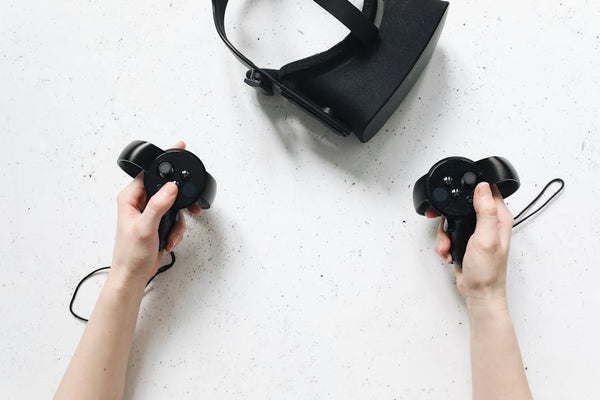
But before you slam that pre-order button, let's break down whether this gaming technology actually delivers or if it's just another overpriced gimmick that'll collect dust next to your abandoned VR headset.
The Specs That Matter for Competitive Gaming
Here's what caught my attention immediately. 240Hz refresh rate. That's competitive monitor territory, not the usual 60Hz garbage we see in most AR devices. Asus isn't messing around — they're targeting us sweaty gamers who notice the difference between 144Hz and 240Hz.
The ROG Xreal R1 packs dual micro-OLED displays with 1920x1080 resolution per eye. Honestly? That's solid for a first-gen product, but don't expect crystal-clear text for productivity work. We're here for gaming anyway.
Input lag is where things get interesting. Asus claims sub-20ms latency over USB-C connection. That's competitive gaming viable, assuming they're not cherry-picking their best-case scenario numbers. Compare that to most wireless displays that hover around 30-50ms — this could actually work for ranked matches.
Real-World Gaming Performance Concerns
Let's be real about what 171 inches actually means. You're not getting a true 171-inch experience — it's the equivalent viewing size based on your perceived distance from the virtual display. Think of it like sitting close to a massive TV versus far from a smaller one.
The bigger question? Eye strain. I've tested plenty of AR and VR headsets, and anything over an hour starts getting uncomfortable. Asus built in adjustable IPD (interpupillary distance) and claims all-day comfort, but we'll see. Gaming sessions don't stop at one hour.
Weight matters too. At 83 grams, these are lighter than most VR headsets but heavier than regular glasses. Can you handle a full Apex Legends ranked session without your nose going numb?
Platform Compatibility: Xbox, PlayStation, and PC Gaming Tech
Here's where Asus nailed it. USB-C connection means plug-and-play with basically everything. Your gaming laptop, desktop, Steam Deck, Xbox Series X/S, PS5 — if it outputs video over USB-C, you're golden.
But there's a catch. Not all USB-C ports are created equal. You need DisplayPort Alt Mode support, which most modern gaming devices have, but older systems might need adapters. Just last week at our shop in Orange, TX, I had to explain to a customer why their 2019 laptop couldn't drive their new monitor properly — same principle applies here.
Console gaming gets interesting. Both Xbox and PlayStation support USB-C video output, so you can theoretically play Fortnite or Call of Duty on what feels like a massive screen without hogging the living room TV. That's actually clutch for anyone sharing space with family or roommates.
The Competitive Gaming Reality Check
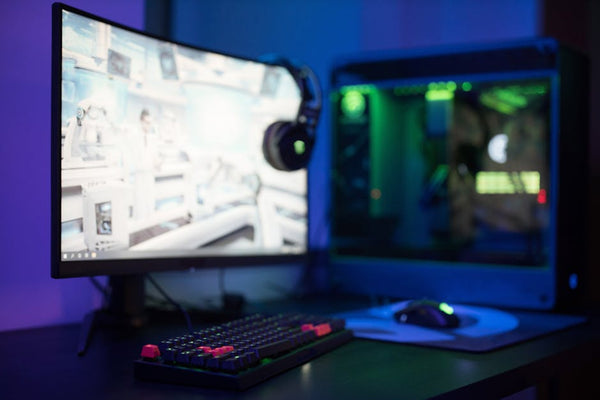
Hot take: these won't replace your main gaming monitor for serious competitive play. Period.
Sure, 240Hz sounds impressive, but peripheral vision matters in FPS games. When someone's flanking in Valorant, you need to catch that movement in your peripheral vision. AR glasses naturally limit your field of view compared to a proper 27-inch monitor.
That said, they could be perfect for single-player games or casual multiplayer sessions. Imagine playing Cyberpunk 2077 or Elden Ring on what feels like a home theater setup while lying in bed. That's the real use case here.
Price Point Analysis: $849 Worth It?
$849 puts these in serious monitor territory. You could build a dual-monitor setup with decent 144Hz displays for that money. Hell, you could grab a solid 32-inch 240Hz monitor and still have cash left over.
But you're not just buying a monitor — you're buying portability and privacy. No more fighting for screen space, no more worrying about glare from windows, no more explaining to your significant other why you need "just one more monitor" for your setup.
The real competition isn't traditional monitors though. It's other AR glasses like the Rokid Max or Nreal Air (now Xreal, confusingly). Most of those top out at 120Hz and cost around $400-500. Asus is charging a premium for that 240Hz gaming focus.
Personally, I think $849 is steep for a first-gen product, but if the latency claims hold up in real-world testing, it could justify the cost for specific use cases.
Who Actually Benefits From AR Gaming Glasses?
Travelers, definitely. Imagine gaming on a flight with a massive virtual display instead of squinting at your laptop screen while the person in front of you reclines their seat into your face. That's worth something.
Content creators might find value too. Streaming setup flexibility, being able to game anywhere without a full monitor setup — I can see the appeal for mobile content creation.
Small space living? These make sense. Studio apartment dwellers or college students who can't fit a proper gaming setup could benefit. But honestly, most of us would rather just get a smaller monitor and deal with it.
The Reality of AR Gaming in 2024
We're still early. Really early. AR gaming feels like VR did five years ago — technically impressive but not quite there for mainstream adoption. The ROG Xreal R1 represents progress, but it's not revolutionary.
Battery life isn't even a concern since these draw power from your device, which is smart. No charging anxiety, no dead headset mid-game. That's actually huge for extended gaming sessions.
The biggest unknown? Software optimization. Games aren't designed for AR displays. UI elements, text scaling, FOV settings — everything assumes you're using a traditional monitor. We'll need widespread developer support for AR to really take off in gaming.
Should you pre-order? Depends on your specific situation and tolerance for early-adopter frustrations. If you've got money to burn and genuinely need portable gaming solutions, maybe. If you're hoping these will replace your main gaming monitor, wait for reviews.
For most gamers, I'd recommend holding off until we see real-world performance data and game compatibility reports. But ngl, the specs look promising enough that these might actually be the first AR glasses worth considering for serious gaming. That 240Hz claim better not be marketing BS though — we'll know soon enough when the first units ship and the frame counting begins.
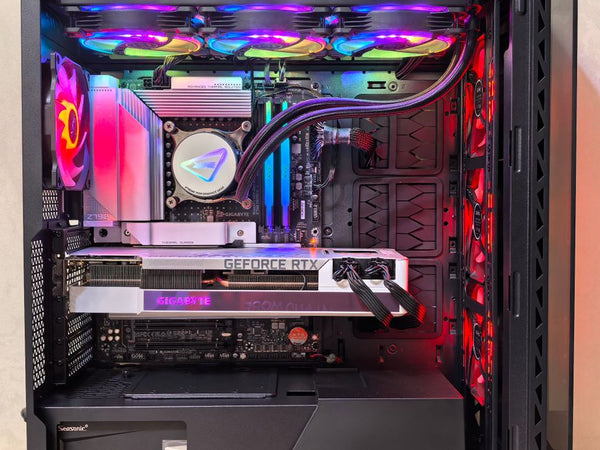
Want to build your custom gaming PC with BitCrate that can actually push 240Hz to these AR glasses? The future of gaming might be arriving faster than we thought.














Leave a Comment