


China's $295 Billion AI Data Center Plan: Tech News That Could Change Everything for PC Builders
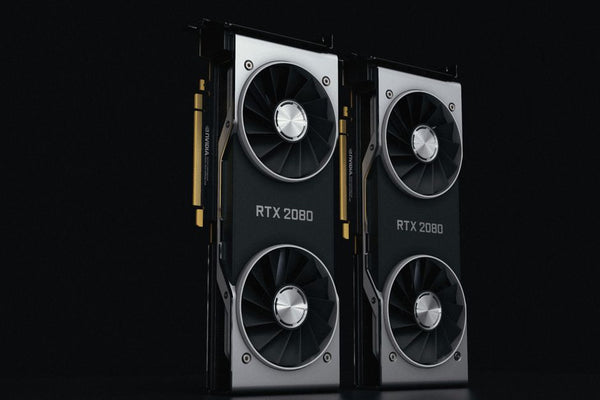
Bro, when I first saw this tech news about China dropping nearly $300 billion on AI data centers, my immediate thought was: "Holy shit, that's like buying 30 million RTX 4090s." But then the details hit me, and honestly? This isn't just another massive spending announcement. This is potentially the biggest shake-up in silicon supply chains we've seen since the crypto mining boom crashed GPU prices back in 2018.
China's planning to spend 2 trillion yuan (roughly $295 billion) over five years building a national AI data center grid. The kicker? They want 80% of the silicon to be homemade by 2028. As someone who's built 50+ systems and watched chip shortages destroy build timelines, I can tell you this plan is either genius or completely delusional.
Breaking Down China's Massive AI Infrastructure Gamble
Let's get real about the numbers here. $295 billion over five years means they're planning to spend nearly $60 billion annually on data center infrastructure. For context, that's more than AMD's entire 2023 revenue of $23 billion. This isn't pocket change.
The plan calls for a nationwide grid of AI data centers, all interconnected and running primarily on domestically produced chips. Think of it like Steam's content delivery network, but for AI processing power instead of game downloads. Sounds cool in theory, right?
But here's where my BS detector starts going off. China currently produces maybe 7% of the world's high-end semiconductors. You know, the actual chips that make AI processing happen. Their foundries are stuck at 14nm and 28nm processes while TSMC and Samsung are cranking out 3nm chips for Apple and AMD.
The Silicon Reality Check
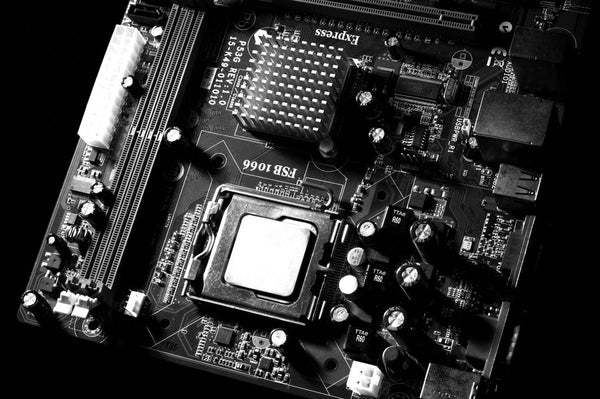
Personally, I think China's 80% homemade silicon target is pure fantasy. When customers come into our shop here in Orange, TX asking about Chinese motherboards or GPUs, I have to explain why we stick with ASUS, MSI, and other established brands. Quality control matters, especially when you're talking about data center reliability.
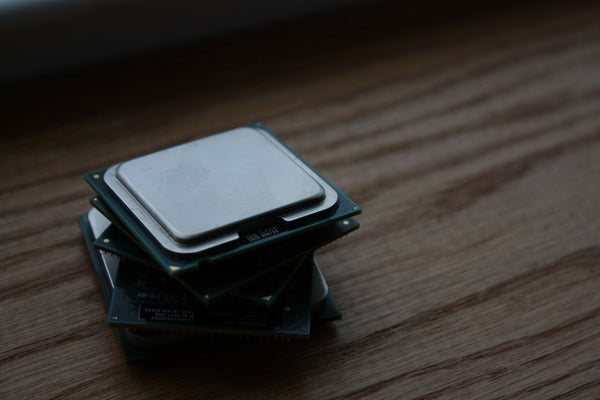
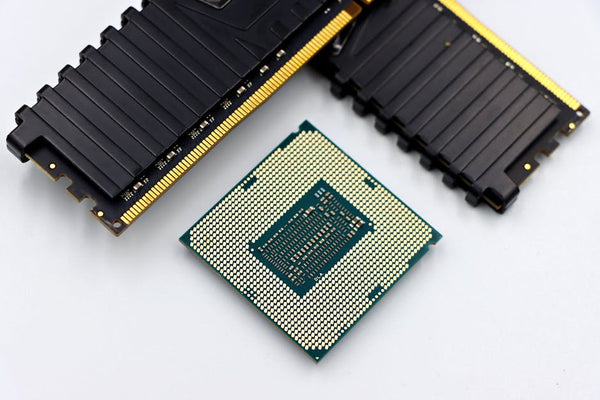
China's chip manufacturers like SMIC are decent for lower-end stuff. But AI data centers need cutting-edge silicon. We're talking about chips that can handle the computational load of training language models or running inference at scale. That requires 5nm or better process nodes, which China simply can't manufacture domestically right now.
The timeline makes this even more questionable. Four years to go from producing 7% to 80% of your own high-end chips? That's not an upgrade cycle, that's a miracle.
What This Gaming Technology Shift Means for PC Builders
Here's where things get interesting for us builders. If China actually pulls this off (big if), it could reshape global silicon supply chains in ways that directly impact gaming hardware prices.
Remember the GPU shortage of 2021? Mining farms and crypto demand drove RTX 3080 prices to $2000+. Now imagine an entire country building massive AI infrastructure while simultaneously trying to become silicon self-sufficient. The competition for wafer capacity at TSMC and Samsung is about to get insane.
The Ripple Effects Nobody's Talking About
Most tech news coverage focuses on the geopolitical implications. But let me tell you what I'm watching as someone who specs out BitCrate Custom Gaming PCs every week.
First, memory demand is going to explode. AI workloads are memory-hungry beasts. Each data center node probably needs 1TB+ of high-bandwidth memory. That's going to put pressure on GDDR6X and DDR5 supply, which means higher prices for gaming builds.
Second, power infrastructure becomes critical. These aren't your typical gaming rigs pulling 300-400 watts. We're talking about systems that need enterprise-grade power delivery. Expect PSU manufacturers to pivot toward higher-efficiency units.
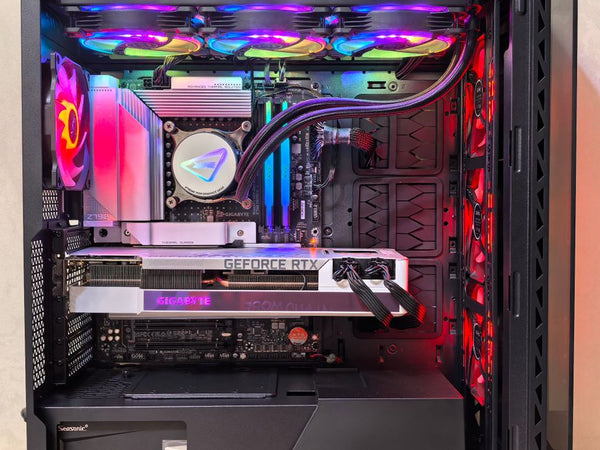
Third, cooling solutions are about to get wild. You can't cool AI accelerators with a basic tower cooler. This technology push might actually trickle down to better AIO solutions for high-end gaming builds.
The Local Chip Production Reality
Hot take: China's chip production limits aren't just technical, they're fundamental. Building semiconductors isn't like assembling phones. You need specialized equipment from ASML, Applied Materials, and other companies that are... well, not Chinese.
The Netherlands literally controls extreme ultraviolet (EUV) lithography through ASML. Without EUV machines, you can't make modern chips. Period. And guess what? Export restrictions mean China can't buy them.
So what happens when China hits these production limits? They'll probably do what they always do: buy finished chips from Taiwan and South Korea while claiming they're "domestic" because final assembly happened in a Chinese facility. It's the same marketing BS we see with "gaming" RGB RAM that's just regular DDR4 with fancy lighting.
The 2028 Timeline Problem
Even if China somehow gets access to advanced manufacturing equipment, there's still the expertise gap. TSMC didn't become the world's best foundry overnight. They've been perfecting processes for decades.
Training engineers, optimizing yields, and scaling production takes time. Real time, not PowerPoint timeline time. When I see projections claiming they'll hit 80% domestic silicon by 2028, I think about all the gaming builds I've done where "two-week delivery" turned into two months because of supply chain hiccups.
Now multiply that complexity by building an entire semiconductor ecosystem from scratch.
What Gamers Should Actually Prepare For
Honestly, the biggest impact on gaming might not be the data centers themselves, but the market distortion they create. When governments throw this much money at tech infrastructure, weird things happen to pricing.
I'm already telling customers looking at Epic-Tier BitCrate builds ($2k+) to consider buying key components sooner rather than later. Not because of panic, but because industrial demand for silicon always outbids consumer demand.
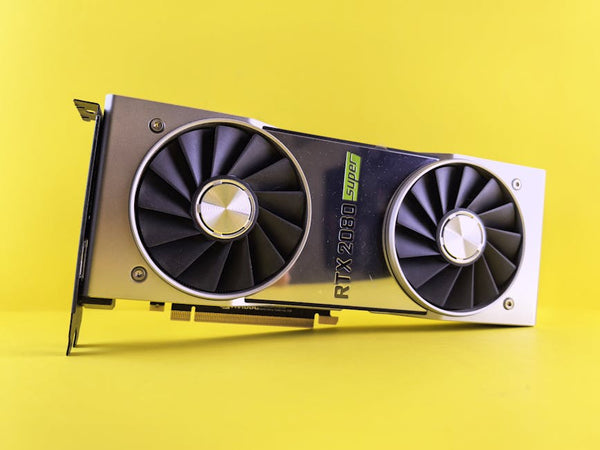
Memory manufacturers will prioritize high-margin server modules over gaming RAM. GPU makers might shift production toward AI accelerators because the margins are better. We saw this with Nvidia during the crypto boom – GeForce cards became secondary to mining-optimized hardware.
The Innovation Silver Lining
But here's something genuinely exciting: massive infrastructure spending usually drives innovation that eventually benefits gamers. The internet exists because of government research funding. GPUs got powerful because of both gaming and scientific computing demand.
If China's plan pushes global competition in chip design and manufacturing, we might see faster development of new architectures, better power efficiency, and innovative cooling solutions. That's not speculation – that's how tech advancement works when there's serious money and competition involved.
Will they hit their 2028 targets? Probably not the way they've outlined them. But the attempt might push everyone else to innovate faster, which could mean better gaming hardware for all of us. Sometimes the most ambitious failures create the most interesting side effects.
The next few years are going to be wild for anyone paying attention to gaming technology supply chains. Whether China succeeds or crashes into their production limits, the ripple effects are going to reshape how we think about building PCs. Time to buckle up and see where this $295 billion experiment takes us.














Leave a Comment