


Retro Gaming GPU Review: Why Loading Sega Genesis Games from Vinyl Records is Peak Tech Madness
Some guy just tried loading Sonic the Hedgehog from a turntable. No, seriously. This isn't some fever dream after grinding Apex for 12 hours straight. A tech enthusiast actually attempted to convert Sega Genesis ROM data into audio signals, record them onto vinyl, then load games by spinning records on a turntable.
The project used a Mega EverDrive Pro cartridge and a Raspberry Pi Pico 2 board to bridge the gap between analog audio and digital game data. Spoiler alert: it didn't work. But honestly? The attempt itself tells us everything about why modern gaming hardware matters so much more than we realize.
The Wild Setup: When Retro Gaming Meets Audiophile Madness
Picture this setup. You've got a standard turntable connected to a Raspberry Pi Pico 2 microcontroller board that's supposed to decode audio signals back into ROM data. The Pi Pico 2 then feeds this reconstructed data to a Mega EverDrive Pro flashcart sitting in your Genesis. In theory, you drop the needle, hear some absolutely cursed audio that sounds like dial-up internet having an aneurysm, and boom — Sonic 1 loads up.
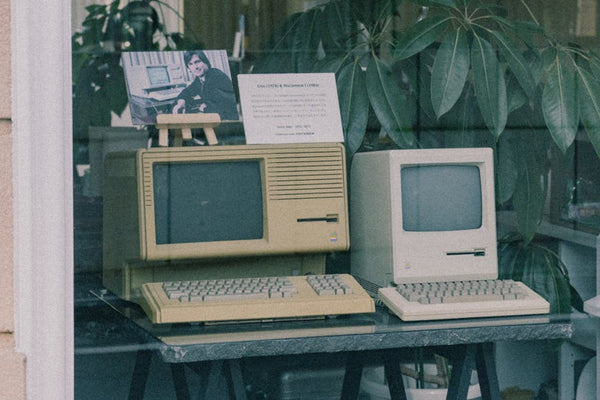
The concept isn't completely insane. We've seen similar tricks before. Remember those old computer programs that loaded from cassette tapes? Same principle, just way more hipster.
But here's where reality punched this project in the face. Vinyl records have inherent limitations that make precise digital data storage nearly impossible. Surface noise, wow and flutter, tracking errors — all the stuff that gives vinyl its "warm" sound becomes absolute poison for binary data.
Why the Mega EverDrive Pro Couldn't Save This Project
The Mega EverDrive Pro is actually solid hardware. It's the go-to flashcart for Genesis enthusiasts who want to play ROMs on original hardware. Supports pretty much every Genesis game ever made, has excellent compatibility, and loads games fast enough that you won't rage quit from waiting.
But even the EverDrive's robust error correction couldn't handle the chaos coming from that turntable. When you're dealing with audio converted back to digital data, you need every single bit to be perfect. One corrupted byte and your ROM becomes digital garbage.
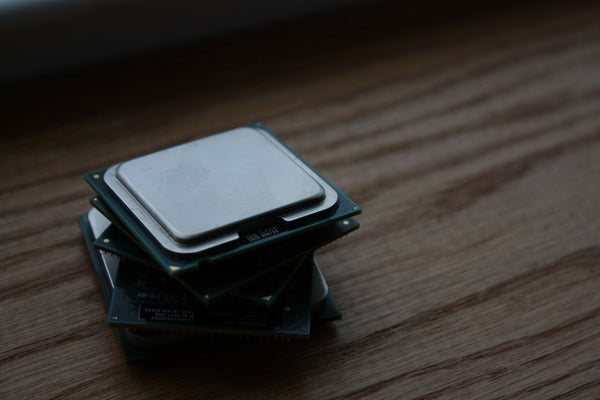
The Pi Pico 2 board has decent processing power for a microcontroller — dual ARM Cortex-M33 cores running at 150MHz. But it's not performing miracles here. No amount of CPU horsepower can magically reconstruct data that's been mangled by analog noise.
Real Gaming Performance vs. Novelty Projects
This whole vinyl experiment got me thinking about what actually matters for gaming performance in 2024. While this guy's burning weekends trying to make records play Sonic, the rest of us are dealing with actual hardware challenges.
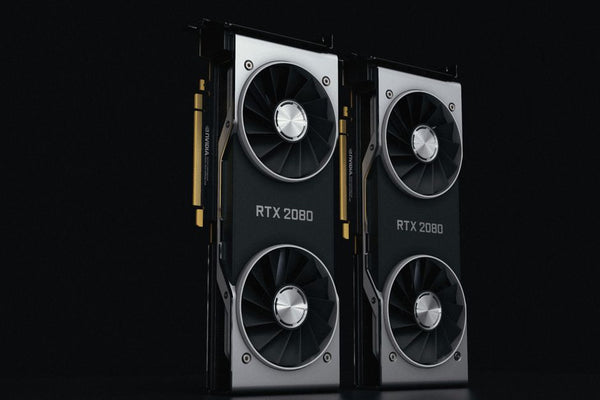
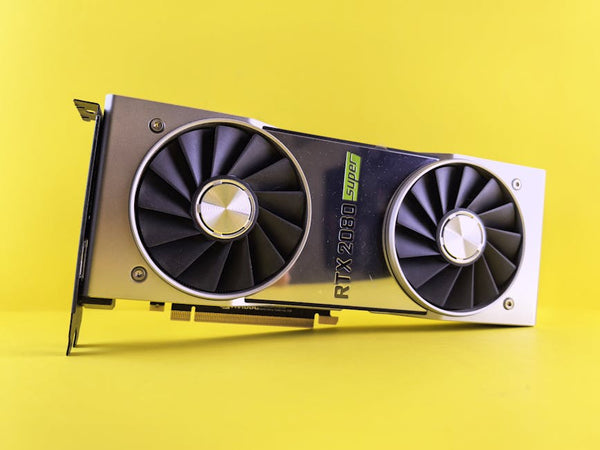
Take modern GPU review cycles. We obsess over whether the RTX 4080 can push 4K at 144Hz in Cyberpunk 2077, but forget that most gamers are still running 1080p monitors at 60Hz. The vinyl record project highlights this same disconnect — pursuing technical achievement for its own sake rather than practical gaming benefits.
I was helping a customer at our shop here in Orange, TX last week configure a new gaming rig, and they asked about the "best possible performance." But when we dug deeper, they were planning to play mostly older titles and indie games. Sometimes the most impressive technical feat isn't what you need.
Why Analog Storage Will Never Beat Modern SSDs
Here's a hot take: vinyl record loading speeds would make modern gamers lose their minds. Even if this project worked perfectly, you're looking at real-time playback speeds. That means a 512KB Genesis ROM would take several minutes to load, assuming you could somehow encode it efficiently onto vinyl.
Compare that to a decent NVMe SSD pulling 7GB/s sequential reads. Modern game loading is so fast we barely notice it anymore. But when you try loading Sonic from a record player, you remember why we abandoned analog storage decades ago.
The Pi Pico 2's USB connectivity would've been the bottleneck anyway. Even if the vinyl storage worked, you're still limited by the microcontroller's ability to feed data to the EverDrive Pro fast enough to maintain playback.
The CPU Benchmark Reality Check
This project needed more processing power than the Pi Pico 2 could deliver. The dual-core ARM setup sounds impressive on paper, but real-time audio processing while simultaneously managing ROM data conversion? That's asking a lot from a $4 microcontroller.
Honestly, the whole thing would've benefited from a proper single-board computer instead. Something like a Raspberry Pi 4 with its quad-core Cortex-A72 running at 1.5GHz. Better memory bandwidth, more processing headroom, and actual Linux support for sophisticated audio processing libraries.
But then again, that defeats the minimalist aesthetic of the project. Sometimes the constraint is the point, even when it guarantees failure.
What This Teaches Us About Gaming Hardware Priorities
The vinyl gaming experiment perfectly illustrates why we prioritize certain specs in gaming builds. Latency matters more than peak throughput in most scenarios. A fast SSD with consistent access times beats a slower drive with higher sequential speeds for gaming workloads.
Same logic applies to CPU and GPU selection. You want consistent frame times, not just high average framerates. The vinyl project failed partly because analog storage introduces massive, unpredictable latency spikes that modern gaming simply can't tolerate.
When we're building custom rigs at BitCrate configurations, these principles guide every component choice. Reliability trumps novelty every single time.
The Surprisingly Deep Technical Challenges
Let's give credit where it's due. Converting ROM data to audio, pressing it to vinyl, then reconstructing playable game files is genuinely complex. The project required understanding digital signal processing, analog audio characteristics, error correction algorithms, and retro gaming hardware interfaces.
The failure wasn't due to lack of technical skill. Vinyl just has fundamental limitations that no amount of clever engineering can overcome. Surface imperfections create noise. Temperature changes affect playback speed. Dust particles cause dropouts. Each of these becomes a potential data corruption source.
Even professional vinyl mastering introduces compression and EQ changes that would destroy binary data integrity. The medium wasn't designed for perfect digital reproduction — it was designed for music that can tolerate small imperfections.
Where Does This Leave Retro Gaming?
Projects like this remind us why we moved away from analog storage in the first place. But they also highlight how spoiled we've become with modern loading speeds and reliability. When's the last time you worried about a game not loading due to hardware failure?
Modern retro gaming solutions like the Mega EverDrive Pro exist because we want the authentic experience without the authentic headaches. Original Genesis cartridges can develop battery backup issues, corrupted save data, or just stop working entirely after 30+ years.
The vinyl experiment pushes this concept to absurd extremes. Sure, loading Sonic from a record would be the ultimate retro flex, but at what cost? Several minutes of loading time, constant risk of data corruption, and zero practical benefit beyond novelty.
The Future of Retro Gaming Hardware
While vinyl record gaming remains firmly in "cool but impractical" territory, the underlying technologies keep evolving. The Pi Pico 2 represents massive improvements over earlier microcontrollers — more cores, better peripherals, lower power consumption.
Flashcarts like the Mega EverDrive Pro continue getting better too. Faster loading times, broader compatibility, more sophisticated features. We're approaching the point where retro gaming on original hardware feels completely seamless.
But will anyone ever successfully load Genesis games from vinyl? Maybe. With enough error correction, redundant encoding, and perfect analog signal chains, it might theoretically work. The question isn't whether it's possible — it's whether anyone should waste time making it happen when SD cards exist.
Sometimes the best gaming performance comes from embracing practical solutions instead of chasing impossible dreams. Though honestly? I'm still lowkey impressed someone even attempted this madness.











Leave a Comment