


AMD's EXPO Ultra Low Latency DDR5: New Memory Tech at Old Prices
Remember when DDR5 first dropped and everyone lost their minds about the price? I sure do. I spent weeks at TieredUp Tech explaining to confused customers why their RAM budget just doubled overnight. Well, hold onto your wallets because AMD just announced something that might actually make sense for once — EXPO Ultra Low Latency DDR5 that'll supposedly cost the same as current kits.
Yeah, I'm skeptical too. But let's dig into this tech news.
What's This EXPO Ultra Low Latency Thing Anyway?
AMD's EXPO (Extended Profiles for Overclocking) has been their answer to Intel's XMP for a while now. Basically, it's the thing that makes your RAM actually run at the speeds printed on the box instead of JEDEC's conservative defaults. But this new "Ultra Low Latency" mode? That's supposedly the next level.
The gaming technology here focuses on reducing memory latency rather than just pushing higher frequencies. Smart move, honestly. I've seen too many customers obsess over 6000MHz+ kits when their 5200MHz kit with tighter timings would've performed better.
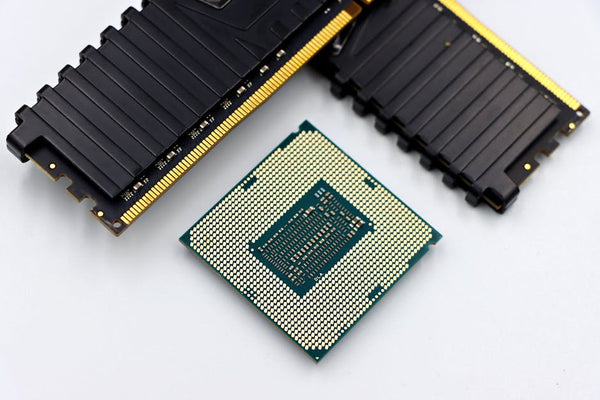
AMD claims this new EXPO mode will work on existing chipsets but requires new DIMMs — so your current setup won't magically get faster.
The Price Promise (And Why I'm Side-Eyeing It)
Here's where things get interesting. AMD says these new kits should be "effectively the same price" as current DDR5. That's a bold claim in today's market where memory prices fluctuate faster than crypto.
Personally, I think there's some marketing speak happening here. When they say "same price," are we talking about launch MSRP? Street prices? The inflated prices we saw during the shortage? Because there's a massive difference between a $200 32GB kit and a $400 one, and I've seen both this year.
Hot take: Even if these kits launch at current prices, they'll probably get the "new and improved" markup for the first few months. That's just how this industry works.
What "Same Price" Actually Means for Your Build
Let's be real about budgeting. If you're building right now and can snag decent DDR5-5200 or 5600 for around $150-180 for 32GB, that's your baseline. These new Ultra Low Latency kits should theoretically hit the same price point.
But here's the thing — do you actually need the absolute lowest latency? For most gaming scenarios, probably not. I've built hundreds of systems, and the difference between good DDR5 and great DDR5 is usually 2-5 fps in most games. Worth considering if you're chasing every frame, but not if it means eating ramen for a month.
Who Benefits Most From Ultra Low Latency Memory?
This isn't just marketing fluff, though. There are legitimate use cases where memory latency matters more than raw bandwidth.
Competitive esports players will probably see the biggest benefit. When you're playing at 360Hz and every microsecond counts, reducing memory latency can translate to more consistent frame times and lower input lag. I had a CS2 player recently upgrade from basic DDR5 to high-end stuff, and while his average fps barely changed, his 1% lows improved noticeably.
Content creators doing real-time rendering or streaming might also see improvements. Memory-sensitive workloads love low latency, especially when you're juggling OBS, a game, and Discord simultaneously.
Gaming Performance Reality Check
For the average gamer playing single-player titles or casual multiplayer? The performance gains will be minimal. We're talking about the difference between 147 fps and 151 fps in most scenarios. Noticeable to benchmarking software, barely perceptible to human eyes.
That said, if you're already planning a memory upgrade and the prices truly stay competitive, why not get the better tech? Just don't expect miracles.
The Compatibility Situation
Here's where things get a bit frustrating. AMD says this'll work on existing chipsets, which is great news if you've got a newer AM5 system. But you'll need completely new memory modules to take advantage of it.
So if you just bought DDR5 last month? Tough luck. Your current sticks won't magically develop ultra-low latency capabilities through a BIOS update. This is new silicon we're talking about.
The good news is you won't need a motherboard upgrade if you're already running AM5. Your X670E or B650 board should handle these new modules just fine, assuming your specific board gets the necessary BIOS updates from the manufacturer.
Upgrade Path Considerations
Should you wait for these new kits if you're building soon? That depends on your timeline and current prices. If DDR5 prices are reasonable right now and you need to build immediately, just buy what makes sense today. The performance difference probably won't justify waiting months and potentially paying more.
But if you're planning a build for later this year and can wait? These Ultra Low Latency kits might be worth considering, especially for high-refresh gaming setups.
Memory Partners and Availability
AMD mentioned these'll come from "leading memory partners," which typically means G.Skill, Corsair, Kingston, and the usual suspects. What I'm curious about is whether smaller brands will get access to this tech quickly or if it'll be another "premium only" launch.
Honestly, I'm hoping we see some budget-friendly options because not everyone needs RGB lighting and fancy heat spreaders. Sometimes you just want fast, reliable memory without the bling.
When I'm helping customers build their custom gaming PC with BitCrate, memory is often where we can optimize for both performance and budget. Having more options in the "good but not ridiculous" category would be welcome.
Should You Care About This Announcement?
Look, I'm cautiously optimistic about AMD's new EXPO Ultra Low Latency memory, but I'm not holding my breath for revolutionary changes. Better performance at the same price point? Sure, I'll take it. But let's see what "same price" actually means when these hit retail.
For most builders, this falls into the "nice to have" category rather than "must have." Focus on getting a solid foundation — good CPU, decent GPU, reliable PSU — before obsessing over memory latency numbers that might save you a few milliseconds in ideal scenarios.
The real test will be independent reviews showing real-world performance in actual games, not synthetic benchmarks. Until then, buy the best memory you can afford today and don't lose sleep over what's coming next month.















Leave a Comment