


Nintendo Switch Overclocks 3D Printer to Insane Speeds - Gaming Tech News That Actually Matters
Some modder just turned their Nintendo Switch into a 3D printing beast. We're talking 90% speed increases here. The latest tech news out of the modding community shows what happens when you slap a jailbroken Switch onto an aging 3D printer running Klipper firmware.
This isn't your typical "gaming technology meets random hardware" story. This is straight fire.
The Numbers Don't Lie - Switch Demolishes Print Times
Check these specs. The modder took their old 3D printer from a painful 90-minute 3DBenchy print down to 8 minutes and 41 seconds. That's not a typo. Eight minutes.
For context? That's faster than most AAA game loading screens on console. We're looking at roughly 10x speed improvement just by swapping out the printer's brain with Nintendo's quad-core ARM Cortex-A57.
But here's where it gets spicy. Quality supposedly improved too. The Switch's processing power handles motion planning and G-code execution way smoother than whatever potato chip was running that printer before.
Why the Switch Actually Makes Sense for This
Think about it. The Switch packs serious hardware - we're talking about a device that runs Breath of the Wild at 30fps while sipping battery. Those ARM cores? They're overkill for most 3D printer operations.
Most budget printers ship with 8-bit controllers that choke on complex geometries. The Switch laughs at that workload. It's designed to handle real-time physics calculations, dynamic lighting, and complex AI routines simultaneously.
Klipper firmware is the secret sauce though. This setup offloads all the heavy computational work to the Switch while leaving the printer's original board to handle basic motor control. Smart move.
The Gaming Technology Nobody Expected
Personally, I think this highlights something massive about modern gaming hardware that most people sleep on. We've got these incredibly powerful ARM processors sitting in our gaming devices that could absolutely demolish industrial applications.
Remember when people used PS3s for cryptocurrency mining? Same energy, different application. The Switch's Tegra X1 chip was literally designed for automotive and industrial use before Nintendo grabbed it for gaming.
Hot take: More makers should be looking at jailbroken gaming hardware for serious projects. The price-to-performance ratio is insane compared to dedicated SBCs.
Breaking Down the Technical Magic
Here's what's happening under the hood. Klipper splits 3D printing into two parts - the host computer does all the math while a simple microcontroller just follows orders. Usually you'd run this on a Raspberry Pi or dedicated PC.
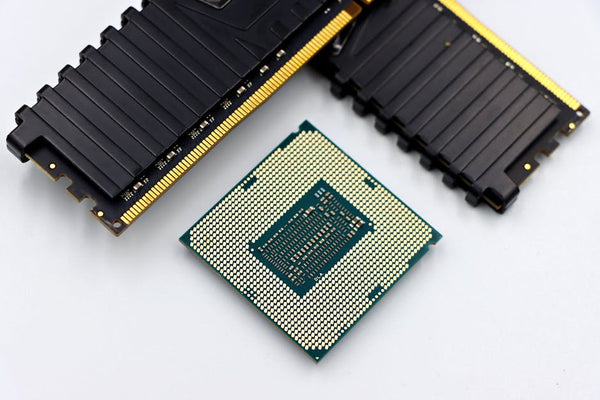
But the Switch? Four cores at 1.02GHz each. That's enough processing power to run pressure advance algorithms, input shaping, and complex motion planning without breaking a sweat.
The Switch handles motion planning calculations that would make cheaper printer boards cry
The original printer board becomes basically a dumb terminal. It receives pre-processed commands from the Switch and executes them. No more stuttering on complex curves or overloaded buffers causing print defects.
Real Talk About Modding Gaming Hardware
Look, I've seen plenty of weird gaming tech crossovers working at TieredUp Tech here in Orange, TX. People bring in all kinds of modified devices for repair. This Switch printer mod isn't even the wildest thing I've encountered.
But it raises questions about warranty and longevity. You're essentially running your Switch 24/7 during long prints. That's way different from gaming sessions with natural cooldown periods.
The thermals worry me honestly. 3D printing means sustained high CPU usage for hours. Gaming workloads are typically more bursty - intense moments followed by menu screens or cutscenes.
Should You Actually Try This?
Depends on your situation tbh. Got an old Switch gathering dust? Maybe worth experimenting. Your daily driver console? Probably not smart.
The performance gains are legit though. We're seeing similar improvements in the broader maker community with other ARM-based solutions. The Switch just happens to be really accessible hardware with great Linux support thanks to the homebrew scene.
You'll need some technical chops. This isn't plug-and-play territory. We're talking custom firmware installation, potentially hardware modifications, and definitely voiding warranties.
What This Means for Gaming Hardware Future
This kind of crossover usage shows how capable modern gaming silicon really is. The Steam Deck's been getting similar treatment for all kinds of non-gaming applications.
Nintendo probably isn't thrilled about people jailbreaking Switches for industrial applications. But it demonstrates the versatility of their hardware platform in ways they never intended.
Will we see more gaming-adjacent hardware targeting maker communities? Valve's already heading that direction with Steam Deck's PC-like openness. Maybe Nintendo should consider a "Switch Pro Maker Edition" without the gaming restrictions.
The Bottom Line on Speed vs Everything Else
8-minute 3DBenchy prints sound incredible until you factor in setup complexity, potential hardware damage, and warranty voiding. But for serious makers with technical skills and spare hardware? This could be game-changing.
The real question isn't whether this works - clearly it does. It's whether the effort is worth it compared to just buying proper 3D printer hardware designed for these speeds from the start.
High-end printers already hit these speeds with purpose-built electronics. But they cost serious money. A jailbroken Switch plus Klipper? That's budget speed demons right there.
Honestly though, seeing gaming hardware push industrial applications this hard makes me excited for what's next. When your Nintendo console can outperform dedicated manufacturing equipment, we're living in wild times for tech enthusiasts.
Looking for the right setup? Check out Phone & Tablet Repair — Orange TX — built right here in Orange, TX.







Leave a Comment