


Gaming PC Build Crisis: Why AI Data Centers Are Making Your Custom Gaming PC More Expensive
Ngl, when I saw the news about electricity prices spiking 76% in the PJM region because of AI data centers, my first thought wasn't about corporate profits or environmental impact. It was about my gaming PC build sitting on my desk and how much more it's going to cost to run.
Think about it like this: remember when crypto mining drove GPU prices through the roof? Same energy, different problem. Except this time, it's not just graphics cards getting expensive — it's literally the electricity that powers your entire custom gaming PC.
The Real Cost of Running Your Gaming PC Build Just Went Nuclear
Here's the deal. PJM Interconnection covers 13 states including Pennsylvania, New Jersey, and parts of Ohio — basically the Northeast power grid that keeps millions of homes and businesses running. When Monitoring Analytics (the federal watchdog keeping tabs on this mess) says AI data centers are causing "irreversible" price spikes, they're not being dramatic. They're looking at the numbers.
Seventy-six percent increase. That's not a typo.
For context, imagine if your favorite TCG suddenly announced that booster packs were going from $4 to $7 overnight, and staying there forever. You'd riot, right? Well, that's basically what's happening to electricity costs in the largest power grid in the US.
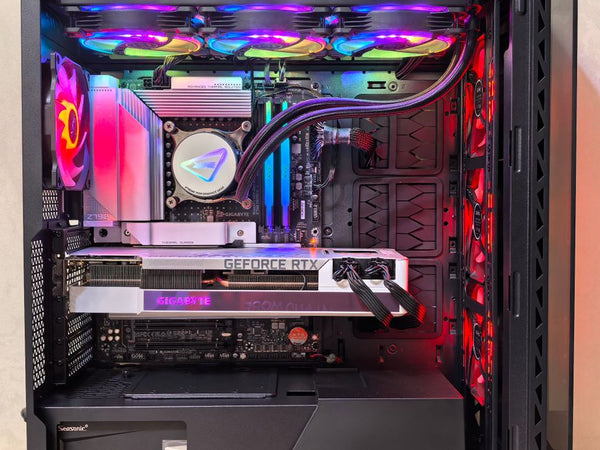
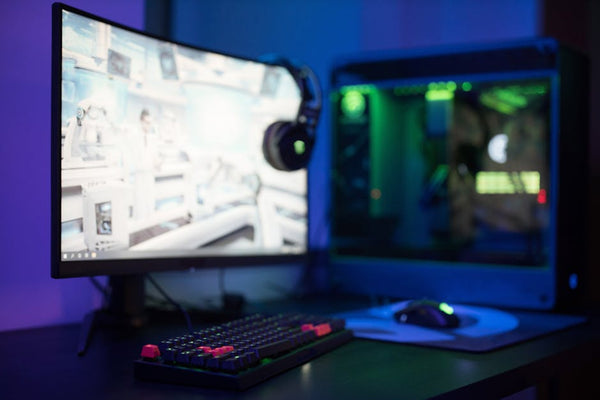
Your high-end gaming rig pulling 850 watts during those marathon Cyberpunk 2077 sessions? Yeah, that's about to hurt your wallet way more than it already does.
Breaking Down the Numbers (Because Math Matters)
Let's get specific here. The average gaming PC build pulls around 500-800 watts under load — more if you're running something absolutely busted like a 4090 with a 13900K. Before this spike, running a 750-watt system for 8 hours daily would cost roughly $65 per month in the PJM region.
With a 76% increase? You're looking at $115 monthly just for your PC's electricity. That's an extra $600 per year, which is basically a mid-tier GPU's worth of cash just... gone.
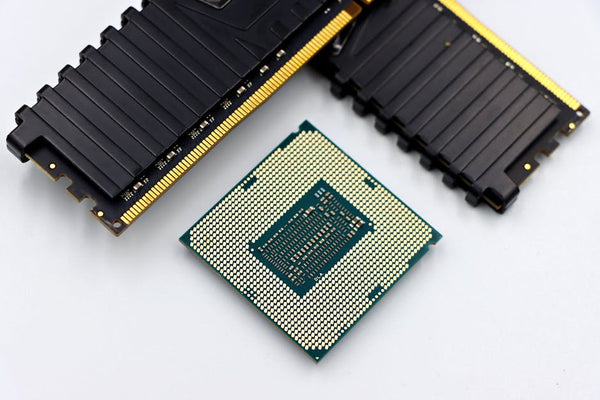
Honestly, this makes me appreciate the efficiency gains we've seen in recent hardware even more. AMD's 7800X3D pulling similar gaming performance to Intel's power-hungry chips while using 50-60 watts less suddenly seems like the play of the century.
Why AI Data Centers Are the New Crypto Miners (But Worse)
Remember 2021? GPU shortages everywhere because miners were buying everything in sight. At least with crypto, the miners eventually had to sell their cards when profits tanked. AI data centers? They're not going anywhere.
These facilities are absolutely massive power hogs. We're talking about companies like Microsoft, Google, and Amazon building data centers that consume more electricity than entire cities. A single large AI training facility can pull 100+ megawatts continuously — that's enough to power roughly 75,000 homes.
The kicker? They're paying standard commercial rates for power while driving up costs for everyone else. It's like if someone bought every single Magic: The Gathering card in your local game store, then complained when prices went up for other players.
The Infrastructure Problem Nobody Wants to Fix
Here's where it gets really frustrating. These tech giants could absolutely afford to build their own power infrastructure. Microsoft's revenue last quarter was $65.6 billion. Building a dedicated power plant? That's pocket change for them.
But why would they when they can just plug into the existing grid and let regular people deal with the price increases? It's peak corporate behavior — privatize the profits, socialize the costs.
Personally, I think the federal watchdog demanding tech companies pay for their own infrastructure is exactly the right call. You want to run AI that requires a small country's worth of electricity? Build your own damn power plant.
What This Means for Your PC Build Guide Strategy
Okay, let's talk practical impact on your gaming setup. If you're planning a custom gaming PC build right now, efficiency just became your best friend.
Hot take: AMD's current CPU lineup is looking even better than it already was. The 7800X3D isn't just faster in most games than Intel's 13700K — it's also pulling significantly less power. With electricity costs spiking, that efficiency difference could save you hundreds annually.
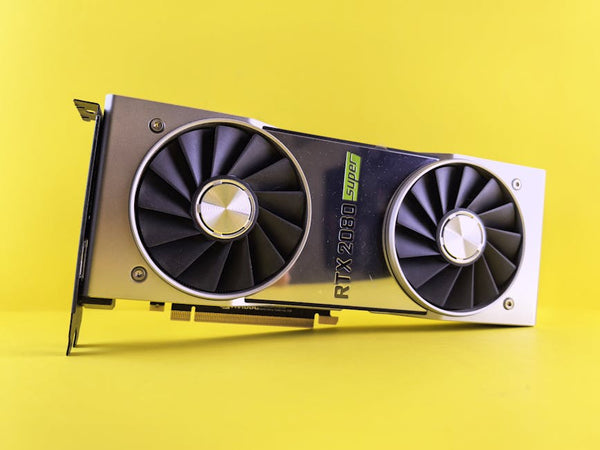
Same logic applies to GPUs. The RTX 4070 might not be as powerful as the 4080, but when you factor in the 100+ watt difference in power draw over a year of gaming? That efficiency gap is real money back in your pocket.
I was helping a customer at TieredUp Tech in Orange, TX last week configure their build, and we spent serious time talking about power efficiency. Not because they're tree-huggers, but because running costs matter when you're gaming 6+ hours daily.
The Undervolting Meta Is About to Get Real
Remember when undervolting was just for enthusiasts trying to squeeze better temps? Now it's becoming essential for anyone who doesn't want to go broke running their PC.
Modern CPUs and GPUs have so much voltage headroom that you can often drop power consumption by 15-20% with zero performance loss. That's free money sitting on the table, especially with these new electricity prices.
Tools like MSI Afterburner for GPUs and Intel XTU or Ryzen Master for CPUs aren't just for overclocking anymore. They're becoming cost-saving necessities.
The Bigger Picture: Gaming vs. Corporate Interests
What really gets me is how this whole situation highlights the disconnect between tech companies and actual users. These AI data centers aren't even providing direct value to most gamers — they're training models for corporate applications we'll never see or use.
Meanwhile, we're the ones paying extra to power our rigs because the grid can't handle the load. It's backwards and honestly pretty infuriating.
The federal watchdog's report specifically calls out how PJM Interconnection isn't doing enough to prevent these price spikes. Translation: the system's broken, and regular consumers are getting screwed while massive corporations get subsidized electricity.
Will anything actually change? That's the million-dollar question. Regulatory pressure might force some action, but don't hold your breath for quick fixes. The damage to electricity pricing is already done, and reversing it would require major infrastructure investments that nobody wants to fund.
Building Smart in an Expensive World
If you're planning to build your custom gaming PC with BitCrate or any other configuration tool, power efficiency needs to be a top-tier consideration now. It's not just about initial hardware costs anymore — operating expenses matter more than ever.
Look for 80+ Gold or Platinum power supplies, prioritize efficient components, and seriously consider AMD's current CPU offerings. Every watt you can shave off your build's power draw is money staying in your wallet instead of going to subsidize AI training farms.
The gaming community has always been resourceful. We figured out how to game during GPU shortages, we adapted when crypto mining drove prices insane, and we'll adapt to this too. But shouldn't have to — that's the frustrating part.
The next few years are going to be interesting for PC building. Either we get smart about efficiency, or we get used to much higher electricity bills. Personally, I'm betting on the first option — gamers are way too stubborn to just accept getting ripped off.












Leave a Comment