


Why eBay's $56 Billion GameStop Rejection Mirrors Every Lowball Offer on Rare Gaming Cards
Picture this: you're browsing eBay for a mint condition Black Lotus, and some joker offers you $20 for your $2000 card. That's essentially what happened when GameStop CEO Ryan Cohen tried to acquire eBay for $56 billion last month, only to get absolutely dunked on by eBay's board who called the offer "neither credible nor attractive." Honestly, I've seen better negotiation tactics in Bronze-tier Rocket League lobbies.
The whole situation screams desperation energy. Cohen's response? "I'm not going away. I'm a pain in the ass." Brother, that's not the flex you think it is. It's giving the same vibes as someone who keeps messaging sellers on Facebook Marketplace after getting their lowball offer rejected three times.
The Numbers Game: When Market Cap Meets Reality
Let's break down why this offer was DOA from the start. GameStop's market cap sits around $8 billion on a good day, while eBay hovers near $28 billion. That's like trying to buy a RTX 4090 with the trade-in value of your old GTX 1060. The math just doesn't work, ngl.
eBay generates roughly $10 billion in annual revenue with actual profitable margins. GameStop? They're still figuring out how to make money in the digital age while hemorrhaging cash on brick-and-mortar stores that feel about as relevant as physical game manuals. Hot take: GameStop's transformation into a "technology company" has been more mid than a participation trophy at a local FNM tournament.
The proposed deal structure was even more questionable than Cohen's Twitter persona. Reports suggest GameStop wanted to use a combination of stock and debt financing, which is corporate speak for "we don't actually have the money but trust us, bro." That's the equivalent of offering to pay for a new gaming setup with store credit and IOUs.
Why eBay Holds All the Cards
eBay isn't just some outdated auction site your mom uses to sell old kitchen appliances. They've quietly built a solid ecosystem that connects millions of buyers and sellers worldwide. Think of them as the Steam Workshop of physical goods – established, functional, and printing money.
Their managed payments system processed over $87 billion in gross merchandise volume last year. For comparison, that's more than most countries' GDP. Meanwhile, GameStop's biggest win recently was selling overpriced gaming chairs and trying to convince people that NFTs were the future. Yikes.
When I was helping customers at TieredUp Tech here in Orange, TX, I'd regularly see people checking eBay prices for components during their builds. That platform has become the de facto secondary market for everything from vintage GPUs to rare peripherals. You don't just casually acquire that kind of market position with a sketchy offer and attitude problems.
The Competitive Gaming Connection: Platform Power Matters
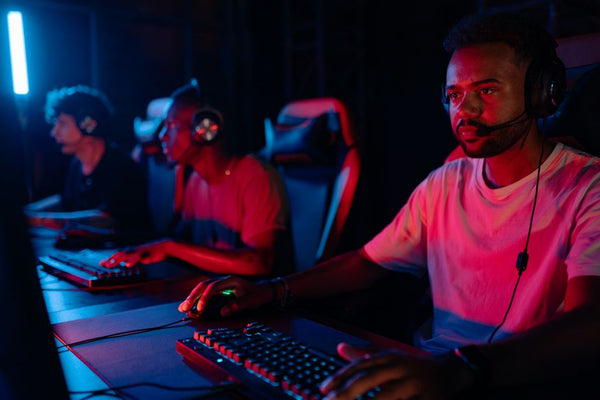
Here's where it gets interesting for the esports and competitive gaming crowd. eBay has quietly become essential infrastructure for the gaming community. Pro gaming teams regularly source equipment through the platform. Tournament organizers buy bulk peripherals. Content creators hunt for retro consoles and rare games.
GameStop tried to position itself as the gaming hub, but their execution has been questionable at best. Remember their push into competitive gaming sponsorships? That lasted about as long as Artifact's player base. Meanwhile, eBay doesn't need to pretend – they just facilitate the marketplace where actual value gets exchanged.
The platform hosts thousands of daily auctions for gaming gear worth millions collectively. From limited edition controllers to signed merchandise from esports champions, eBay moves the inventory that actually matters to gamers. GameStop's stores mostly push whatever publishers are trying to clear from their warehouses.
Strategic Value vs. Wishful Thinking
Could GameStop theoretically benefit from owning eBay? Sure, in the same way that a small-town card shop could benefit from owning Wizards of the Coast. The question isn't about potential synergies – it's about realistic execution and financial capability.
eBay's international reach spans 190 markets with localized experiences. GameStop struggles to keep their domestic stores profitable. That's not a gap you bridge with meme stock momentum and Reddit enthusiasm. It's like trying to compete in pro gaming tournaments when you can't even climb out of Gold rank in ranked matchmaking.
Personally, I think Cohen's strategy shows a fundamental misunderstanding of how acquisition negotiations work. You don't lead with lowball offers and aggressive rhetoric when targeting a company with stronger financials and market position. That approach might work for pump-and-dump schemes, but serious business requires serious money and credible plans.
The Real Power Play eBay Should Consider
Instead of entertaining GameStop's amateur hour theatrics, eBay should focus on what they do best: connecting buyers and sellers efficiently. The gaming community needs better tools for verifying authenticity, especially with the rise of counterfeit peripherals and components flooding the market.
Imagine eBay partnering directly with gaming hardware manufacturers to offer certified pre-owned programs. Or creating dedicated sections for custom gaming PC components with compatibility checking. These moves would add actual value instead of just generating headline noise.
The esports industry continues growing, with tournament prize pools hitting record highs and viewership numbers that make traditional sports executives nervous. eBay could capture more of that ecosystem's commerce without needing dramatic corporate takeover attempts.
What This Means for Gaming Commerce
Cohen's failed power grab highlights something important about the gaming industry's evolution. The companies winning aren't necessarily the ones with gaming logos and RGB lighting in their branding. They're the platforms that solve real problems for real customers with sustainable business models.
eBay facilitates billions in gaming-related transactions annually without needing to cosplay as a gaming company. GameStop spent years trying to rebrand as a tech innovator while their core business model crumbled. Which approach seems more credible?
The rejected offer also demonstrates how meme stock mania created delusions of grandeur. Just because retail investors briefly pumped your stock price doesn't mean you can suddenly afford to buy established market leaders. Reality has a way of reasserting itself, usually through brutal market corrections and failed acquisition attempts.
This whole saga feels like watching someone try to trade their collection of bulk Magic commons for a Black Lotus. The confidence is admirable, but the fundamentals don't support the ambition. Cohen can promise to be a "pain in the ass" all he wants – eBay's board will just keep hitting the block button until he finds more realistic targets or better financing.
The gaming industry needs platforms that work, not corporate drama that distracts from building actual value. eBay may not be perfect, but at least they're not pretending $56 billion offers grow on trees.












































Leave a Comment