


Anbernic's Memory Downgrade Controversy: Why Pro Gamers Should Care About This 'Error'
So Anbernic quietly swapped out memory modules in their retro handhelds and called it an "unexpected error" when people noticed. Really? An unexpected error that somehow made it through their entire production line?
Look, I've been in this industry long enough to smell corporate BS from a mile away. When I worked at GameStop, we'd get manufacturers trying to slip cheaper components past us all the time. But this Anbernic situation hits different because it's affecting competitive gaming and esports in ways most people aren't even realizing yet.
What Actually Happened (And Why Anbernic's Response Is Mid)
Here's the tea: customers started reporting that their newer Anbernic devices were running slower than expected. Not just "oh this feels sluggish" slow — we're talking measurable performance drops in emulation speed. The culprit? Anbernic had switched from faster LPDDR4X memory to slower LPDDR4 without telling anyone.
Their official response? Basically "oops, our bad, we'll help with replacements." No explanation of how an entire production run gets the wrong memory. No timeline for fixes. Just corporate speak that would make a PR department proud and actual users frustrated.
Personally, I think this kind of silent downgrade is exactly what's wrong with the retro gaming market right now. Companies bank on most customers not knowing the difference between memory types, but pro gaming communities? We notice everything.
The Real Performance Impact
When you're running demanding emulation — think PlayStation 2 or GameCube titles — memory bandwidth isn't just a nice-to-have. It's essential. LPDDR4X can hit around 4266 MT/s compared to LPDDR4's 3200 MT/s. That's not margin-of-error territory. That's significant.
I had a customer at our Orange, TX location last month asking about building a dedicated emulation rig because their handheld couldn't maintain consistent framerates in competitive retro fighting games. Guess which brand they'd been using?
Why This Matters for Competitive Gaming and Esports
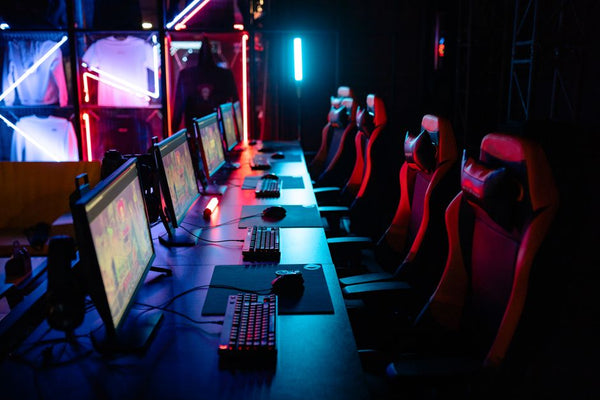
Here's where it gets spicy. Retro gaming isn't just nostalgia anymore — it's becoming legitimate esports territory. Street Fighter 3: Third Strike tournaments. Super Smash Bros. Melee competitions. These games demand frame-perfect timing, and any performance inconsistency can cost matches.
When your handheld starts dropping frames during crucial moments because the memory can't keep up? That's not just annoying. That's match-losing. Tournament-ending. Career-affecting for people taking this seriously.
The retro esports community has been growing steadily, with major tournaments now offering serious prize pools. FGC events regularly feature classic fighters, and speedrunning has become a spectator sport with millions watching GDQ events. Professional speedrunners need consistent hardware performance — they can't afford mystery slowdowns.
The Trust Factor in Pro Gaming Equipment
What really bothers me about Anbernic's handling of this? The trust issue. Pro gamers need to know their equipment inside and out. When manufacturers start playing fast and loose with component swaps, it undermines the entire competitive scene.
Think about it — would you use a controller that might randomly have different input lag depending on when it was manufactured? Of course not. Same principle applies here. Competitive integrity depends on hardware consistency.
Hot take: Silent component downgrades should be illegal in gaming hardware. Period.
What Pro Gamers Can Learn From This Mess
Honestly, this whole situation is a masterclass in why you need to do your homework before buying gaming hardware. Especially if you're serious about competitive play.
First lesson? Always check component specifications yourself. Don't trust marketing materials or even early reviews. Hardware can change post-launch, and manufacturers aren't always transparent about it.
Second? Join community forums and Discord servers where people actually test this stuff. The retro gaming community caught this issue because they benchmark everything obsessively. That's how we should approach all gaming gear.
Building vs. Buying: The Custom Route
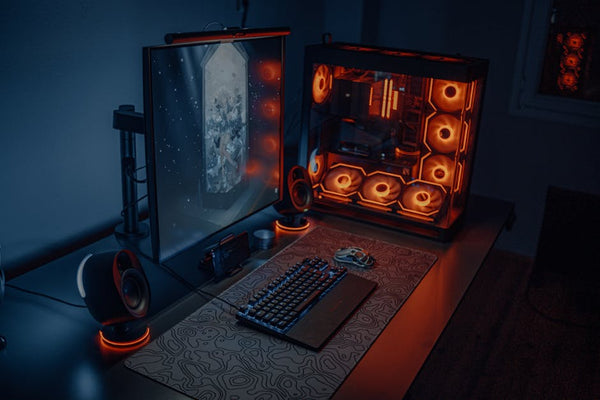
This whole debacle got me thinking about why more competitive players should consider building custom gaming setups instead of relying on pre-built handhelds. When you control every component choice, you don't get surprised by silent downgrades.
Sure, handheld convenience is nice. But if you're serious about performance? A custom build lets you pick exactly the memory, storage, and processing power you need. No corporate decisions affecting your gameplay six months later.
The Bigger Picture: Industry Accountability
Anbernic isn't the first company to pull this kind of move, and they won't be the last. Remember when NVIDIA quietly reduced memory bandwidth on some RTX 3060 cards? Or when SSD manufacturers started swapping controllers without notice?
The gaming industry has a transparency problem, and it's getting worse. Companies know most consumers won't notice technical changes, so they gamble on flying under the radar. Sometimes they get caught. Usually they don't.
But here's the thing — the competitive gaming scene is growing more sophisticated every year. Esports organizations have technical staff who understand this stuff. Content creators benchmark everything. The days of sneaking component changes past informed consumers are numbered.
What Should Change Moving Forward
We need industry standards for hardware change disclosure. Not buried in fine print or vague "specifications subject to change" language. Clear, prominent notifications when any performance-affecting component gets modified.
Gaming hardware should have revision tracking similar to what we see in professional audio equipment. Rev A, Rev B, Rev C — with detailed change logs. Is that too much to ask for devices people spend hundreds of dollars on?
The esports industry has enough legitimacy now to demand this kind of transparency. Tournament organizers could start requiring specific hardware revisions for official competitions. That would force manufacturers to be more careful about silent changes.
Moving Forward: Protecting Your Investment
Look, I'm not saying avoid Anbernic entirely. They make solid budget handhelds for casual retro gaming. But if you're serious about competitive play, you need to approach hardware purchases differently.
Research the community around any device before buying. Check forums, Discord servers, YouTube channels focused on competitive play. These communities will catch issues like the memory downgrade faster than any professional reviewer.
Consider timing your purchases carefully. Early production runs often have the advertised specs, while later batches might get cost-optimized. It's backwards logic, but that's the reality of modern manufacturing.
Most importantly? Don't let companies get away with this kind of behavior. When Anbernic says they'll "assist with replacements," hold them to it. Make noise in communities. Demand transparency. The only way this industry improves is if we refuse to accept corporate gaslighting as normal business practice.
The retro gaming and competitive esports scenes deserve better than "unexpected errors" that mysteriously save companies money. We've built amazing communities around these games — now let's demand the hardware reliability those communities deserve.







































Leave a Comment