


Subnautica 2's Episodic Early Access Actually Has Me Hyped - Here's Why Waiting Beats Rushing
Look, I get it. When Unknown Worlds announced they weren't dropping Subnautica 2 all at once, half the gaming community lost their minds. But honestly? I'm pumped about this episodic early access approach, and if you're building a rig specifically for underwater exploration games, this structure is genuinely perfect timing.
After building systems for 50+ gamers who've asked about Subnautica performance specs, I've seen what happens when developers rush releases. Remember Cyberpunk 2077? Yeah, that's what I'm talking about.
Why Episodic Early Access Actually Makes Sense for Subnautica 2
The original Subnautica was lightning in a bottle. Pure terror mixed with wonder. You'd be cruising around in your Seamoth, feeling like Jacques Cousteau, then BAM - Reaper Leviathan jumpscares you into uninstalling the game for three weeks.
Unknown Worlds nailed that formula through years of early access feedback. Players shaped that game's progression, creature behavior, and even biome design. The Cyclops submarine went through like fifteen iterations because players kept saying "this feels wrong" or "the controls are busted."
So why would they abandon that proven development model now?
The episodic structure lets them test each biome, each creature encounter, each story beat with actual players before moving forward. When I was helping a customer at our shop here in Orange, TX spec out a system for underwater games last month, we talked about how Subnautica's performance got progressively better through early access. That's not coincidence - that's iteration.
Performance Benefits You Don't See Coming
Here's something most people don't consider: releasing episodically means Unknown Worlds can optimize each section before adding more complexity. The original Subnautica had some gnarly framerate drops in the Lost River biome - especially if you built massive bases.
With episodic releases, they can stress-test each new area with thousands of players running different hardware configurations. RTX 4060 performance issues? They'll catch it. AMD Radeon problems? Fixed before episode two drops.
This matters more than you think. Subnautica 2 is built in Unity 2023, which should handle draw distance and underwater lighting better than the original. But "should" doesn't mean "will" until real players hammer it with different GPU combos.
The Hype Machine Actually Works Better This Way
Hot take: I'd rather wait and get excited multiple times than play one rushed, buggy mess.
Think about it. Every episode release becomes an event. New trailers, new creature reveals, new biomes to explore. The community gets to speculate about what's coming next instead of burning through everything in week one and moving on.
Plus, Unknown Worlds can respond to community feedback between episodes. If players hate a new crafting mechanic or find a creature too annoying, they can adjust before it affects the entire game. That's way smarter than post-launch patches trying to fix fundamental design problems.
Personally, I think this approach respects both the developers and players. Nobody wants another No Man's Sky launch situation where promises don't match reality.
Building the Perfect Subnautica 2 Rig
Since we're getting episodic releases, you've got time to plan your build properly. No need to rush into an overpriced GPU when episode one drops.
Based on Unity 2023's requirements and what I've seen from similar underwater games, you'll want:
- RTX 4070 or RX 7700 XT minimum for 1440p high settings
- 32GB DDR4-3600 or DDR5-5600 (those ocean textures are chunky)
- NVMe SSD with at least 1TB space (each episode will probably be 15-20GB)
- Solid CPU like Ryzen 7 7700X or Intel i5-13600K
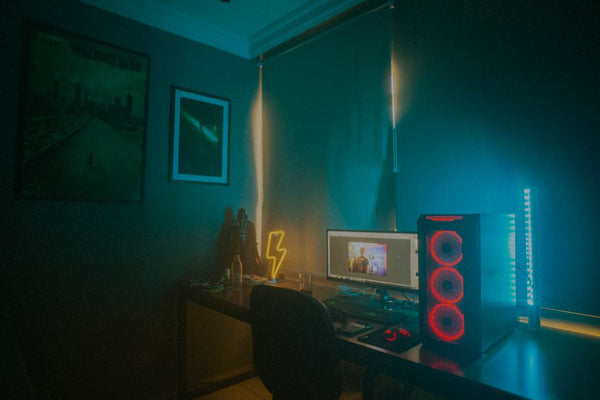
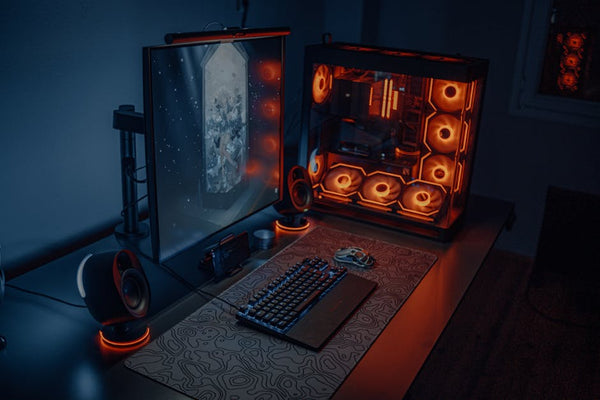
The beauty of episodic releases? You can build your custom gaming PC with BitCrate and upgrade specific components between episodes if needed. Maybe episode three adds ray-traced underwater caustics that tank your framerate. You'll know before committing to the full experience.
Competitive Gaming Gets Better Sea Legs
Now here's where it gets interesting for esports and competitive gaming. The original Subnautica wasn't competitive, obviously - hard to speedrun when you're having panic attacks about fish.
But episodic releases create natural speedrunning categories. Episode one speedruns, glitchless episode two completion, that kind of thing. The competitive gaming community loves bite-sized challenges they can master before moving to the next piece.
I've watched pro gaming communities form around way stranger things than underwater survival episodes. Look at how speedrunners dissected every Resident Evil chapter or how competitive players tackled each Hitman level individually.
Community Building Through Patience
The waiting between episodes creates something special: anticipation that brings people together. Forums explode with theories. YouTube creators make speculation videos. Players share their episode completion strategies and base designs.
That sustained engagement beats the typical pattern of "play for two weeks, then forget it exists." Games like Half-Life 2's episodes (before Valve discovered counting to three was impossible) showed how episodic storytelling keeps communities alive between releases.
Sure, some people will wait until all episodes are out. But the players who experience each episode as it drops? They're getting something you can't replicate later - that shared discovery experience.
Technical Debt and Polish Time
Here's my slightly controversial take: most game developers underestimate how much technical debt accumulates during full development cycles. You start with clean code, then crunch time hits, and suddenly you're duct-taping systems together just to ship on time.
Episodic development forces teams to clean up their code between releases. Each episode needs to be stable enough for public consumption, so they can't just pile hack upon hack.
The original Subnautica launched with some genuinely impressive underwater physics and creature AI, but also some jank that never got fixed because they moved onto Below Zero. The episodic model should prevent that accumulating jank from spiraling out of control.
Unknown Worlds has earned my trust here. They've proven they can deliver polished underwater experiences when given proper development time.
Managing Expectations vs Reality
Look, I'm not saying this approach is perfect. Some players hate waiting. Some prefer experiencing complete narratives in one sitting. That's totally valid.
But considering how many "complete" games launch as broken messes that take months to fix? I'll take tested, polished episodes over rushed, buggy complete experiences every single time.
The gaming industry has trained us to expect day-one patches, performance issues, and content that doesn't match trailers. Maybe it's time to reward developers who say "we're not done yet" instead of shipping anyway.
Subnautica 2's episodic early access isn't just about Unknown Worlds playing it safe - it's about respecting the game development process enough to do it right. And honestly? That has me more excited to dive back into those alien waters than any rushed release ever could.
The ocean's not going anywhere, but our patience for broken games definitely should be.

















































Leave a Comment