


Medal of Honor Fan Remake Proves Passionate Developers Can Fix What Publishers Break
Remember when Medal of Honor was the World War II shooter? Before Call of Duty dominated everything? A passionate fan just reminded us why that original 1999 game hit so hard, and honestly, it's making me question why AAA studios keep making the same mistakes over and over.
The Medal of Honor: Retro Remake didn't just capture lightning in a bottle. It caught fire. Version 1.1 just dropped with something incredible — a fully playable Colditz Castle level that got axed from the original game. We're talking about content that's been sitting in digital limbo for 25 years, brought back to life by someone who actually cares about the source material.
This isn't just nostalgia porn. It's a masterclass in how passion projects can succeed where corporate esports initiatives fail spectacularly.
Why Fan Projects Succeed When Big Studios Fumble
Think about it like this: when someone spends months perfecting a custom deck build in Magic, they're not doing it for profit. They're doing it because they genuinely love the game's mechanics. Same energy here.
The Colditz Castle level wasn't some random addition either. Original developer DreamWorks Interactive had actually built portions of this mission before cutting it due to time constraints and publisher pressure. Sound familiar? It's the same story we see in competitive gaming today — publishers rushing products to market, cutting content that could've made the difference between a solid release and something legendary.
Hot take: most AAA studios today wouldn't greenlight a project like this remake. Too niche. Not enough microtransaction potential. Where's the battle pass integration?
The Technical Achievement Nobody's Talking About
Here's what blows my mind about this remake. The creator didn't just port graphics and call it a day. They rebuilt the entire engine from scratch using modern tools while keeping that authentic late-90s feel. It's like taking a beloved vintage card and getting it professionally graded and sleeved — you're preserving what made it special while protecting it for the future.
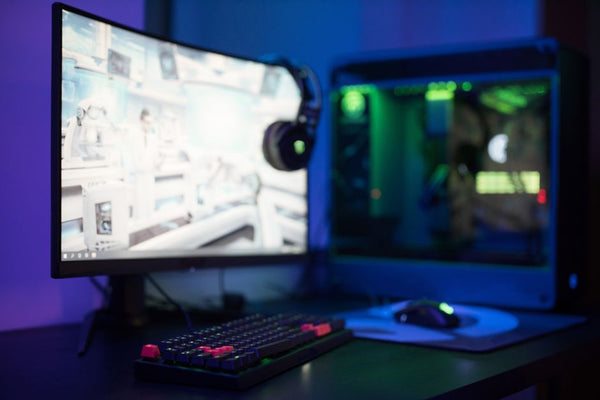
When I was helping a customer at our shop in Orange, TX configure their build last week, we got talking about how demanding modern games have become. His GTX 1060 couldn't handle the latest Call of Duty at decent settings, but this Medal of Honor remake? Runs buttery smooth on hardware from 2015. Sometimes optimization matters more than raw graphical power.
The frame rates are consistently solid. No stuttering. No random crashes. You know why? Because the developer actually tested their work instead of shipping it and hoping day-one patches would fix everything.
Common Mistakes Modern Developers Keep Making
This remake highlights everything wrong with today's development culture. Let me break down the patterns that keep destroying potentially great games:
Mistake #1: Chasing Trends Instead of Understanding Core Appeal
Every publisher wants their own Fortnite moment. Their own esports goldmine. But they completely miss why games like the original Medal of Honor resonated. It wasn't because of revolutionary multiplayer mechanics or innovative monetization schemes.
It worked because the single-player campaign felt authentic. Every mission had weight. When you stormed those Nazi bunkers, it meant something beyond just progressing a progress bar.
Modern Medal of Honor entries? They tried copying whatever was trending. Remember Medal of Honor: Warfighter? Neither does anyone else. It died trying to be Battlefield when it should've stayed true to its roots.
Mistake #2: Ignoring Community Feedback Until It's Too Late
The remake's creator engaged with the community from day one. Regular updates. Transparent development logs. When players suggested improvements, they actually listened and implemented changes where possible.
Compare that to how most AAA studios handle community input. They announce a game, go radio silent for two years, then act surprised when the community tears apart their reveal trailer. It's like watching someone build an entire deck without playtesting, then wondering why it gets demolished at FNM.
Personally, I think this disconnect happens because corporate decision-makers never actually play their own games. They see spreadsheets and metrics, not the human experience of sitting down for a gaming session after a long day.
Mistake #3: Technical Debt and Rush Jobs
You want to know the difference between passion projects and corporate mandates? Polish. This Medal of Honor remake feels complete. Not "we'll patch it later" complete — actually complete.
How many times have we seen promising games launch with game-breaking bugs because some executive decided the holiday release window mattered more than quality? Cyberpunk 2077 on last-gen consoles. Anthem's everything. Battlefield 2042's... where do I even start?
The remake proves you don't need a $200 million budget to create something special. You need time, care, and developers who actually understand what made the original work.
What This Means for Competitive Gaming's Future
Here's where it gets interesting for esports fans. The remake's success isn't just about nostalgia — it's showing there's still appetite for single-player experiences that don't revolve around microtransactions or seasonal content drops.
But could something like this work in competitive gaming? Imagine if passionate community developers could access and restore cut content from classic esports titles. Lost Starcraft maps. Unused Counter-Strike weapon balancing. Quake modes that never made it to release.
The infrastructure exists. Modding tools are more accessible than ever. What's missing is permission from publishers who'd rather sell you the next sequel than let communities perfect what already exists.
The Value Preservation Problem
Think about card game reprints. When Wizards brings back powerful cards from Magic's early days, they're not competing with the originals — they're making the game accessible to new players while preserving the legacy that longtime fans cherish.
Gaming publishers could learn from this model. Instead of viewing fan projects as threats, they could embrace them as preservation efforts that keep classic franchises relevant.
Will they? Probably not. Legal departments get nervous about trademark protection and lost revenue opportunities. But projects like this Medal of Honor remake prove the community will find ways to preserve gaming history with or without corporate blessing.
Why This Matters Beyond Nostalgia
The Colditz Castle level addition isn't just fan service. It's historical preservation. These games captured specific moments in gaming evolution — before online connectivity was assumed, before games-as-a-service dominated development philosophy, before every title needed to support esports ambitions.
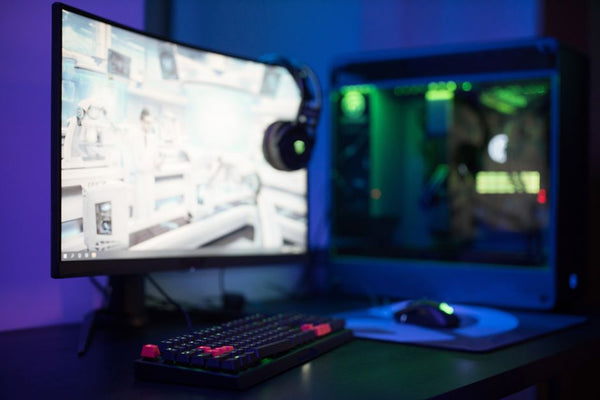
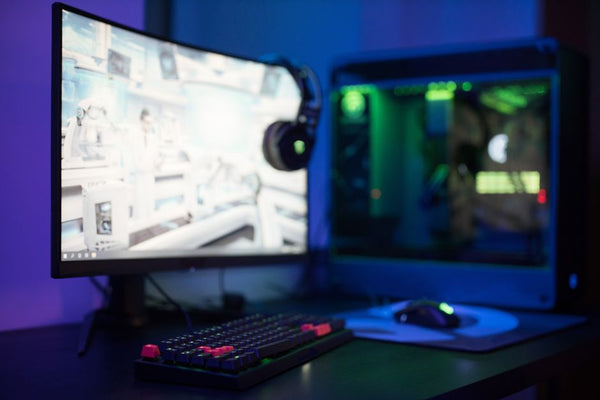
Sometimes I wonder if we've lost something fundamental in our rush toward always-online experiences and competitive gaming integration. Build your custom gaming PC with BitCrate if you want the horsepower for modern esports, but don't sleep on experiences that remind us why we fell in love with gaming in the first place.
The remake's creator understood something that eludes most modern developers: respect for the source material matters more than flashy graphics or trending gameplay mechanics. They didn't try to "reimagine" the experience or add unnecessary complexity.
They just made it work better than it ever did before. Wild concept, right?
The Medal of Honor remake's 1.1 update proves that sometimes the best way forward is understanding what made something great in the first place.
This won't change how EA approaches their next Medal of Honor project. But it might inspire other passionate developers to tackle preservation projects for games that deserve better than corporate indifference. And honestly? That's probably more valuable than any official remaster we're likely to see.
Looking for the right setup? Check out Build your custom gaming PC with BitCrate — built right here in Orange, TX.





















Leave a Comment