


OLED Gaming Monitor Sales Explode: Why Everyone's Finally Making the Switch in 2026
Bro, the numbers just dropped and they're absolutely insane. OLED gaming monitor shipments jumped 78% in Q1 2026 alone, and honestly? It's about damn time. After years of watching Samsung sit on their QD-OLED tech like a dragon hoarding gold, they've finally opened the floodgates. The market's getting flooded with panels, prices are dropping faster than my K/D ratio after a few beers, and gamers everywhere are finally experiencing what us early adopters have been raving about for years.
Let me break this down for you. Three years ago, if you wanted an OLED gaming monitor, you were looking at dropping $1,500+ for a 27-inch panel that might've had burn-in issues. Now? Samsung's cranking out QD-OLED displays like they're printing money, and the competition is scrambling to keep up.
What's Actually Driving These Insane OLED Sales Numbers
The 78% surge isn't happening in a vacuum. Samsung's basically carpet-bombing the market with their third-gen QD-OLED panels, and the manufacturing costs have dropped significantly. They've figured out how to produce these things at scale without sacrificing quality, which is honestly impressive considering how complex the tech is.
Here's what's really wild though – the new games 2025 lineup is pushing these displays hard. When you're running something like Cyberpunk 2077 with the latest ray tracing updates, or trying to squeeze every detail out of the upcoming Witcher 4 beta, that infinite contrast ratio makes everything pop in ways traditional LCD panels just can't match.
Last week at our shop here in Orange, TX, I had three different customers come in asking specifically about OLED gaming setups. That's never happened before. These weren't hardcore enthusiasts either – we're talking about regular folks who'd heard their buddies talking about "true blacks" and wanted to see what the fuss was about.
The Real Performance Difference That's Converting Gamers
Look, I've built over 50 systems, and I've seen plenty of display tech come and go. But OLED is different. The 0.1ms response times aren't marketing BS – they're actually measurable. When you're playing competitive shooters, that sub-millisecond pixel response makes micro-adjustments feel more precise.
Then there's HDR. Most LCD monitors claim they do HDR, but they're lying through their teeth with their pathetic 400-nit peak brightness. OLED panels can hit 1,000+ nits while maintaining perfect blacks. The contrast ratio is literally infinite because black pixels are completely off. No backlight bleed, no grayish blacks – just pure darkness where it should be dark.
Gaming Performance That Actually Matters
Variable refresh rates work better on OLED too. G-Sync and FreeSync implementation feels smoother because there's no LCD overdrive artifacts or inverse ghosting. When your framerate dips from 144 to 90 fps, you won't see those weird trailing effects that plague most gaming monitors.
The color accuracy is genuinely stupid good. We're talking 99%+ DCI-P3 coverage out of the box, which means the new games 2025 is going to look exactly how the developers intended. No more wondering if that sunset in Red Dead Redemption looks washed out because of your monitor's crappy color gamut.
Why Samsung's Market Flooding Strategy Is Working
Samsung's playing 4D chess here. Instead of keeping QD-OLED as some premium boutique technology, they're mass-producing panels and selling them to everyone – LG, MSI, Dell, you name it. The result? Competition drives innovation and prices down.
Personally, I think this is the smartest move they could've made. Yeah, they're probably making less profit per panel, but they're establishing QD-OLED as the standard before MicroLED becomes mainstream. That's market domination 101.
The manufacturing improvements are legit too. Burn-in resistance has improved dramatically with their latest pixel layouts and compensation algorithms. I'm not saying burn-in is impossible, but you'd have to really abuse your monitor to see permanent damage now.
Price Points That Don't Completely Destroy Your Wallet
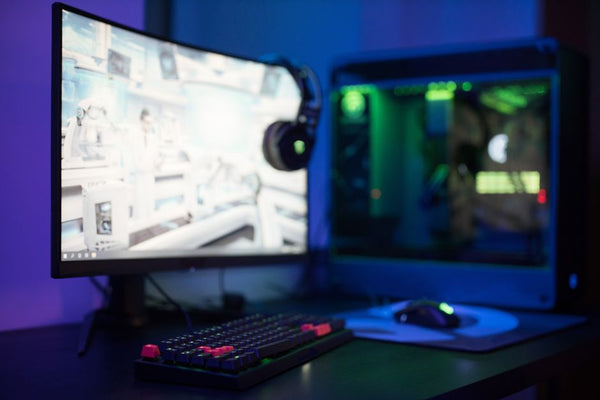
Here's where things get interesting. A decent 27-inch QD-OLED gaming monitor that would've cost $1,800 last year? You can find them for under $900 now. That's still expensive compared to a basic IPS panel, but considering what you're getting, it's actually reasonable.
The sweet spot seems to be around $1,200-1,400 for a premium 32-inch model with all the bells and whistles. If you're building one of those Epic-Tier BitCrate builds ($2k+), that monitor cost doesn't seem quite as painful when your GPU alone costs more.
For context, I just priced out a high-end gaming setup for a customer, and the OLED monitor was only about 20% of the total build cost. Two years ago, it would've been closer to 35%.
The Downsides Nobody Wants to Talk About
Alright, let's be real for a minute. OLED isn't perfect, and anyone claiming otherwise is selling you something. Text clarity can be weird due to the subpixel layout – it's not deal-breaking, but if you do a lot of coding or text work, you might notice it.
Brightness in super bright rooms can be an issue. These panels look incredible in normal lighting, but if your gaming setup is next to a big window with direct sunlight, you might struggle with visibility during daytime gaming sessions.
And yeah, burn-in is still technically possible. Leave a static HUD element on screen for 12 hours straight every day, and you might see some image retention. But honestly? Modern OLED panels have so many protection features that you'd have to be actively trying to damage them.
The Learning Curve is Real
Switching from LCD to OLED isn't just plug-and-play. You'll need to adjust your display settings, maybe tweak some game brightness levels, and learn how HDR actually works. Some games look completely different – sometimes better, sometimes just different in ways that take getting used to.
The biggest shock is usually how dark some games actually are when you can see true blacks. Games like Dead Space or Horror titles become legitimately more intense because the darkness is real darkness, not that grayish LCD fake-black.
What This Means for PC Gaming in 2026 and Beyond
This sales surge isn't just a trend – it's the beginning of OLED becoming mainstream for PC gaming. When major manufacturers are pumping out affordable panels, it creates a snowball effect. More adoption means more games optimized for OLED's capabilities, which drives more adoption.
Hot take: within two years, buying a new LCD gaming monitor will feel like buying a CRT in 2010. Sure, they'll still exist and serve specific purposes, but they'll feel outdated the moment you see them next to an OLED.
The PC game release schedule for the rest of 2026 is stacked with visually demanding titles that'll showcase these displays perfectly. Ray-traced lighting effects, enhanced HDR implementations, and improved color grading are all becoming standard features that OLED handles significantly better than traditional panels.
Honestly, if you're planning a gaming setup upgrade this year, the monitor should be your first consideration, not your last. A mediocre GPU on an excellent display often looks better than a beast GPU on a crappy monitor. The 78% sales increase tells us one thing clearly: gamers have figured this out, and they're voting with their wallets.

























Leave a Comment