


What Are We All Playing This Weekend? A Look at Gaming Through Migraine Vision
So here I am, typing this with a retinal migraine doing its best impression of a white cloud floating through my right eye. Great timing, right? But honestly, this got me thinking about what we're all gravitating toward when our gaming time is precious — and sometimes literally blurry.
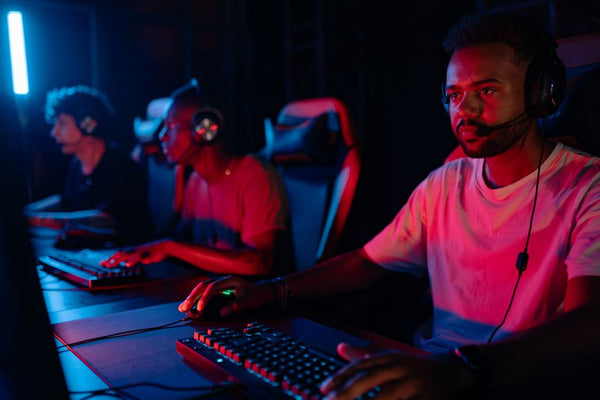
You know what's fascinating? The games we choose when we're not at 100%. When that customer walked into our TieredUp Tech shop in Orange, TX last week complaining about eye strain from long gaming sessions, I realized we rarely talk about how our physical state affects our game choices. Are you reaching for that intense esports match when you're dealing with a headache? Probably not.
The Comfort Gaming Renaissance
Let's be real here. Sometimes you need games that feel like a warm hug.
I've been diving back into Stardew Valley lately, and ngl, it hits different when your brain feels like it's swimming. The gentle music, the predictable farming loops, the fact that nothing's trying to headshot you every thirty seconds — it's therapeutic in ways that competitive gaming just isn't.
But here's where it gets interesting. My nephew was over last weekend, and instead of jumping into his usual Valorant ranked grind, he fired up PowerWash Simulator. A seventeen-year-old choosing pressure washing over clutching rounds? That tells you something about where gaming comfort zones are shifting.
Why We're Craving Low-Stakes Gaming
Think about it — when did gaming become so stressful? I remember helping a customer build their first gaming rig, and they specifically asked for something that could handle "chill games." Not competitive multiplayer. Not the latest AAA monster. Chill games.
Animal Crossing: New Horizons wasn't an anomaly during lockdown. It was a preview of what we actually want when life gets complicated. Games that don't demand peak performance from us.
The best games aren't always the most challenging ones — sometimes they're the ones that let you exist peacefully in their world.
The Esports Paradox This Weekend
Now don't get me wrong — I'm not anti-competitive. Far from it.
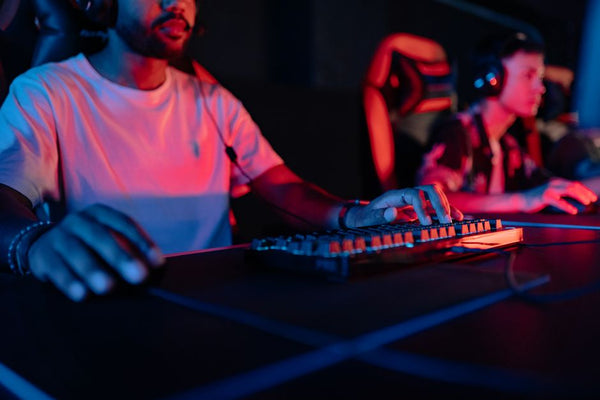
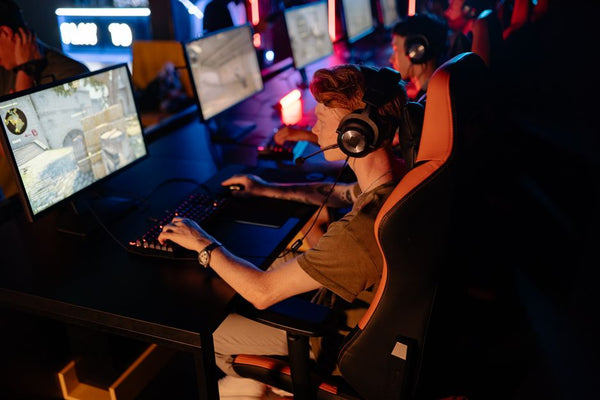
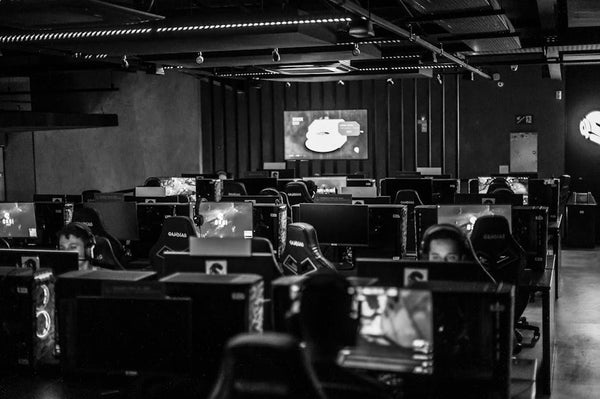
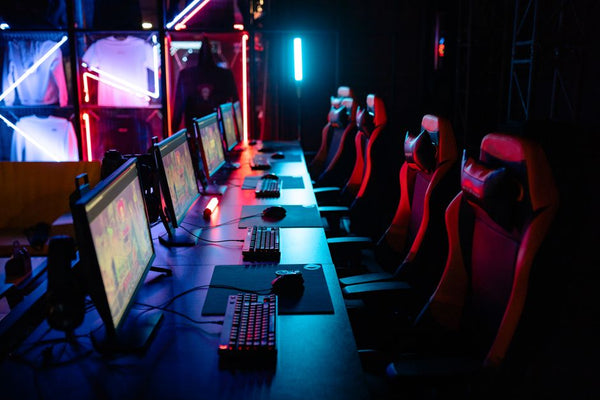
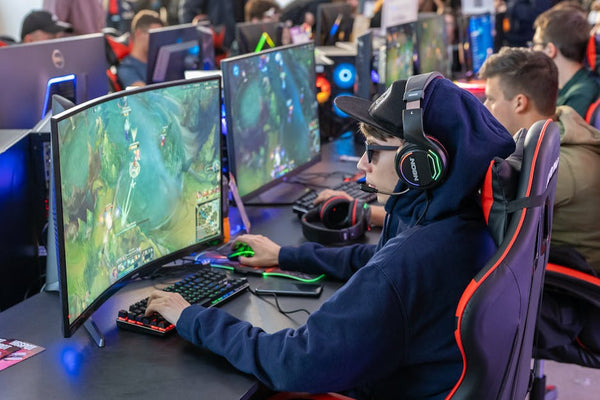
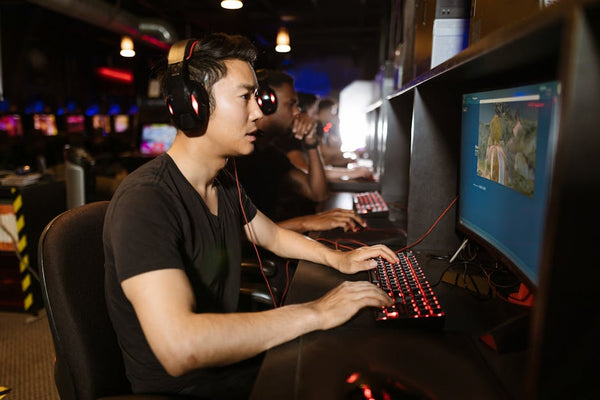
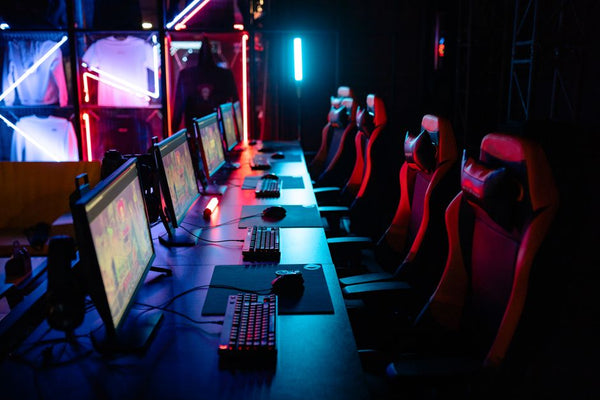
The League of Legends World Championship just wrapped up, and the level of play was absolutely insane. But here's my hot take: most of us aren't tuning in to get better at the game. We're watching because it's entertainment that doesn't require us to perform.
It's like sports, but for gamers. You can appreciate the skill without feeling pressured to replicate it. When's the last time you watched a basketball game and immediately felt like you needed to practice your free throws?
The Skill Gap Reality Check
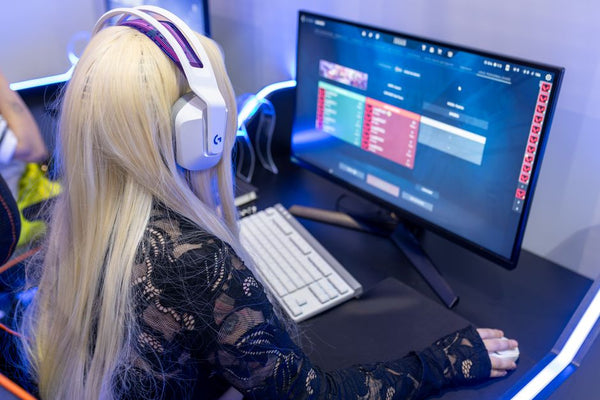
Personally, I think we've created this weird pressure around gaming where casual play feels almost shameful. A customer told me last month that he felt "bad" for playing Rocket League against bots instead of ranked matches. Bad? For having fun?
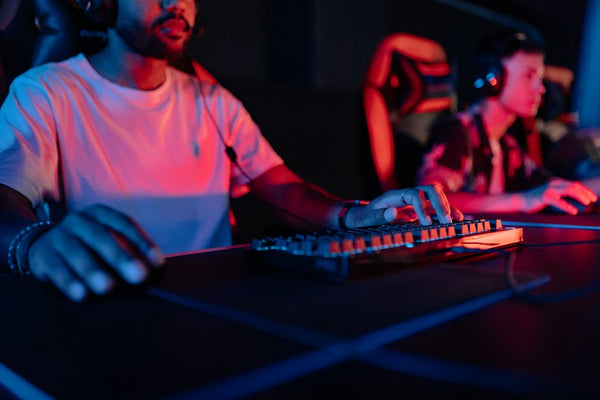
That's honestly backwards. Pro gaming exists on a completely different planet from where most of us play, and that's totally fine. You don't need to be hitting Champion rank to justify your gaming PC purchase.
Weekend Gaming Reality Check
So what are we actually playing this weekend? Based on my Steam activity and conversations with customers, it's a mixed bag that might surprise you.
The big releases are still pulling people in — Spider-Man 2 is gorgeous if you've got a PS5, and the new Call of Duty is doing its annual "drain your free time" routine. But I'm seeing just as much activity in games like:
- Baldur's Gate 3 (still! People are on their third playthroughs)
- Cities: Skylines 2 (despite the performance issues)
- Various indie puzzle games that cost under $20
The common thread? Games that respect your time and mental energy.
The Hardware Sweet Spot
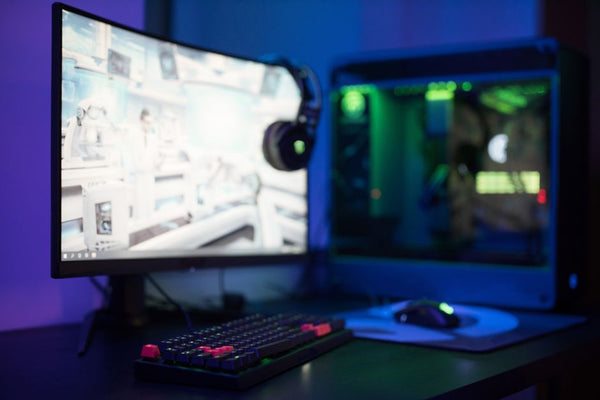
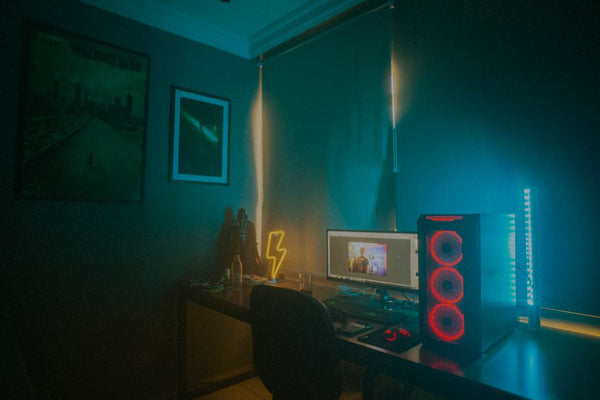
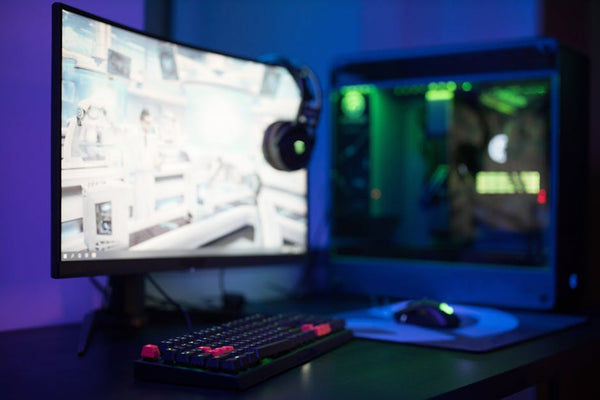
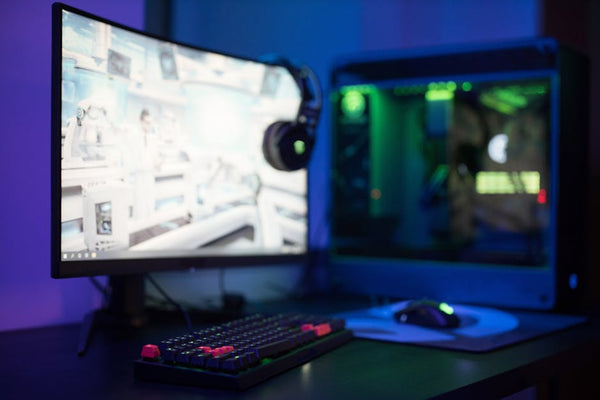
Here's something interesting from the shop perspective: people are building PCs that can handle anything, but they're mostly playing games that could run on hardware from three years ago. Why? Because those games are more fun.
That RTX 4070 you're eyeing? Yeah, it'll make Cyberpunk 2077 look incredible. But you'll probably spend more hours in Hades or Hollow Knight. And honestly, there's nothing wrong with that equation.
If you're thinking about upgrading your rig, build your custom gaming PC with BitCrate and spec it for what you actually play, not what you think you should play.
The Migraine Gaming Test
Back to my floating white cloud situation. You know what game passed the migraine test today? Unpacking.
Literally a game about unpacking boxes and arranging items. No combat. No timer. No leaderboards. Just the satisfaction of putting virtual books on virtual shelves while my brain sorts itself out.
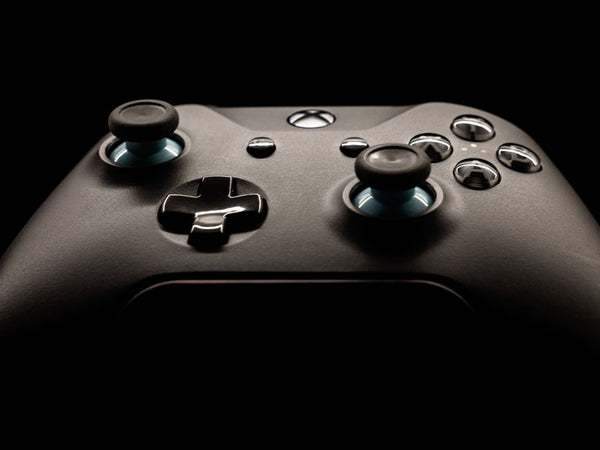
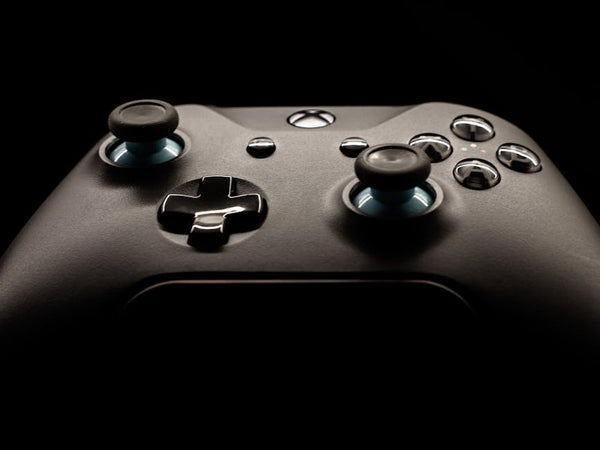
And that's kind of beautiful, isn't it? We've reached a point where gaming can be genuinely meditative. Where the controller doesn't have to be a weapon or a competitive tool — sometimes it's just a way to engage with peaceful virtual spaces.
The Future of Weekend Gaming
I'm starting to think the future isn't about more intense experiences. It's about more intentional ones.
Games that understand you might be tired. Games that don't punish you for stepping away. Games that remember you're a human being with a life outside the screen.
Does this mean competitive gaming is dying? Absolutely not. But it means we're finally acknowledging that not every gaming session needs to feel like training for the Olympics.
So this weekend, whether you're clutching ranked matches or arranging furniture in a cozy indie game, remember that the best gaming experience is the one that makes you feel good afterward. Not stressed, not frustrated, not like you need to "git gud."
My migraine's already starting to clear up, and you know what I'm going to play tonight? Probably something that won't make it worse. Revolutionary concept, right?


Leave a Comment