


Nintendo Switch 2 Price Hike: Why Investors Are Pushing for a $50-100 Increase
Brace yourself for some seriously annoying news. A new report suggests the Nintendo Switch 2 could launch with a price tag that's $50-100 higher than expected, and honestly? It's all because investors are throwing tantrums about Nintendo's historically reasonable pricing strategy.
Think of it like this: you know how MTG players complain when Wizards doesn't price chase cards high enough at release, leaving money on the table? That's exactly what's happening here, except instead of cardboard crack, we're talking about the most anticipated gaming handheld in years.
The Memory Crisis Behind Nintendo Switch 2 Price Concerns
Here's where things get spicy. The reported price increase isn't just corporate greed (though that's part of it). We're dealing with a legitimate memory shortage that's driving component costs through the roof. Sound familiar?
Anyone who's tried building a gaming PC in the last few years knows this pain intimately. RAM prices went absolutely bonkers during the pandemic, and now it's happening again with the specific LPDDR5X memory that the Switch 2 reportedly needs. When I was helping customers at TieredUp Tech in Orange, TX configure their builds last year, we watched DDR5 prices swing by $100+ week to week. Nintendo's facing the same nightmare scenario.
But here's the kicker. Unlike PC builders who can wait for sales or substitute components, Nintendo needs millions of these chips ready for a global launch. They can't exactly tell customers "just wait for Black Friday deals" on launch day.
What This Means for Competitive Gaming and Esports
Now you're probably thinking: "Alex, who cares about pricing? I just want to know if this thing can run competitive games properly." Fair question.
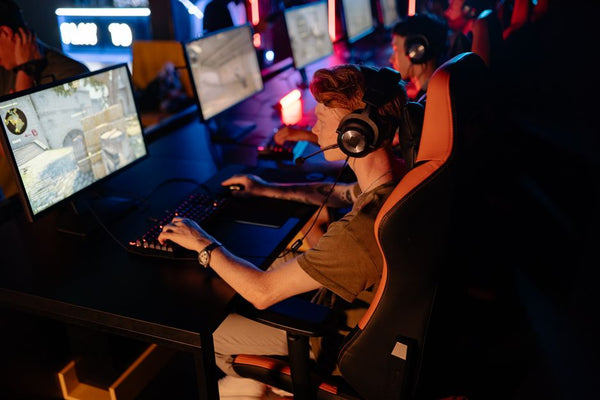
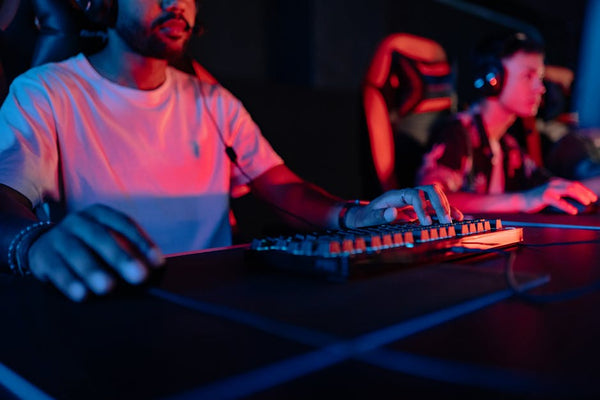
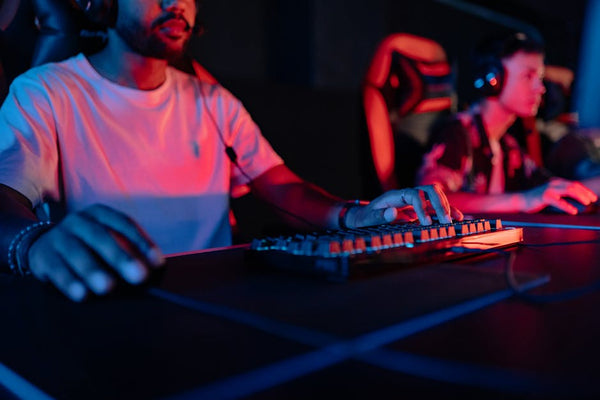
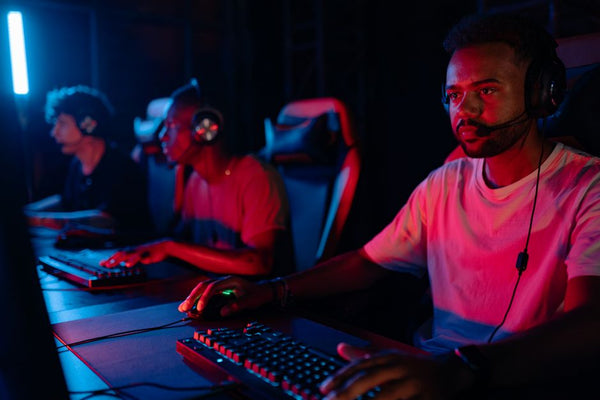
The Switch 2's rumored specs suggest it'll finally be capable of handling esports titles at decent frame rates. We're talking about a system that might actually run Valorant, Overwatch 2, or Apex Legends without looking like a PowerPoint presentation. That's huge for the portable esports scene.
Personally, I think Nintendo's been sleeping on the competitive gaming market for way too long. The original Switch could barely handle Rocket League without thermal throttling, and don't even get me started on trying to play any FPS with those Joy-Con sticks. This new system could actually make Nintendo relevant in pro gaming again.
Hot take: if the Switch 2 can deliver stable 120fps gameplay for competitive titles, that $50-100 price increase suddenly doesn't look so unreasonable. Premium performance costs premium money, just like how nobody complains about paying extra for a 4090 when they need maximum framerates.
Why Investors Are Pushing Nintendo's Pricing Strategy
Let's talk about why investors are being so pushy about pricing. Nintendo historically launches consoles at relatively affordable price points compared to Sony and Microsoft. The original Switch launched at $299 in 2017 and hasn't budged from that MSRP despite inflation making everything else more expensive.
That conservative pricing strategy? Investors hate it.
They're looking at PlayStation 5 selling for $499-699 depending on the model, Xbox Series X at $499, and Steam Deck starting at $399. From their perspective, Nintendo's leaving hundreds of dollars per unit on the table. It's like watching someone trade a Black Lotus for store credit instead of cash – technically valid, but painful to watch if you're thinking purely about profit margins.
The memory crisis just gives them the perfect excuse to push for higher pricing. "Look," they can say, "component costs are forcing our hand here." Whether that's entirely true is... well, let's just say there's probably some wiggle room in those calculations.
The Real Impact on Gaming Communities
Here's where I get genuinely conflicted about this whole situation. Higher pricing could seriously impact Nintendo's accessibility, especially for younger gamers and families. The Switch's $299 price point was perfect for parents buying their kids' first real gaming console.
But on the flip side, if that extra $50-100 gets us a system that can actually compete with modern gaming standards, maybe it's worth it? I've watched too many promising Nintendo exclusives get held back by hardware limitations. Pokemon Scarlet/Violet's performance issues were straight-up embarrassing for a first-party title.
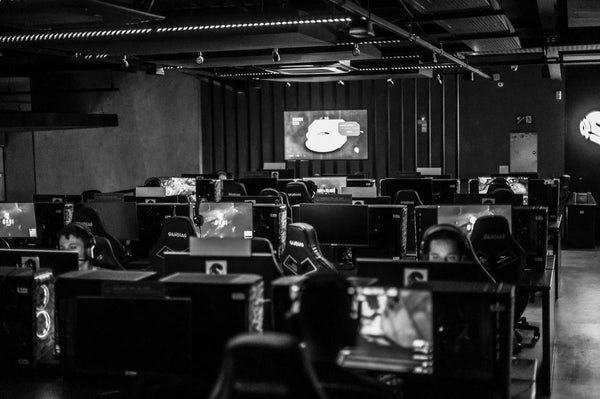
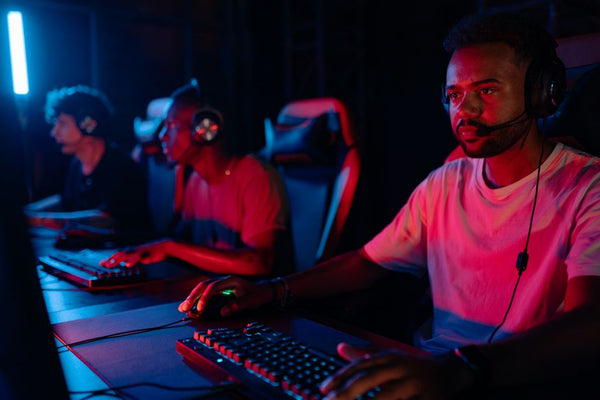
The esports angle makes this even more interesting. If Nintendo can finally offer a portable system that runs competitive games properly, they could tap into a massive market they've been ignoring. College esports programs, traveling tournaments, practice setups – there's serious money in portable competitive gaming that nobody's really captured yet.
What This Means for Your Gaming Setup
So where does this leave us as consumers? If you're already planning to build your custom gaming PC with BitCrate, the Switch 2's price increase probably won't affect your primary gaming budget much. It's more about whether you want that portable option for travel or casual gaming sessions.
The timing couldn't be weirder though. We're potentially looking at a $399-449 Switch 2 launching right as GPU prices are finally becoming reasonable again. That's RTX 4060 territory, which makes the value proposition pretty interesting.
Honestly, I'm torn. Part of me respects Nintendo for (potentially) finally pricing their hardware competitively with its actual capabilities. Another part of me misses the days when you could grab a new Nintendo console without having to check your bank account twice.
The memory shortage situation isn't going anywhere soon either. Industry analysts are predicting tight supply through at least 2025, which means we might be looking at sustained higher pricing across the entire gaming hardware market. Fun times ahead, right?
What really matters is whether Nintendo delivers hardware that justifies whatever price point they choose. If the Switch 2 can finally handle modern games without compromise while maintaining that signature Nintendo polish, then maybe those investor complaints will actually result in something worthwhile for once. But if we end up paying extra for the same thermal throttling and performance issues? That's when things get truly frustrating.
The real test won't be the launch price – it'll be whether this thing can actually deliver the performance that price demands. Nintendo's got one shot to prove they're serious about competing in modern gaming again.

Leave a Comment