


Keychron's Optical Magnetic Mouse Switch: The Next Gen Mouse Switch That Actually Delivers
Remember when every gaming peripheral company claimed they had "revolutionary" technology? Yeah, me too. Most of the time it was just marketing fluff wrapped around the same old switches we'd been using for years. But when Keychron dropped their latest announcement about combining optical and magnetic technology in one mouse switch, calling it "the next gen mouse switch," something felt different.
I've been skeptical of hybrid tech before. Usually means compromise. But after digging into what Keychron's actually doing here, I'm genuinely impressed. This isn't just slapping two technologies together and hoping for the best.
What Makes Keychron's Hybrid Switch Actually Special
Here's the thing about traditional mouse switches – they wear out. Mechanical switches have that satisfying click, sure, but after millions of presses, they start double-clicking or failing completely. I can't count how many customers came into our shop complaining about their gaming mouse acting up during crucial moments in competitive gaming.
Optical switches solved the durability problem by using light beams instead of physical contacts. No wear, theoretically infinite lifespan. Solid tech. But honestly? The feel was often... mid. That crisp tactile feedback just wasn't there.
Keychron's approach combines both systems in one switch housing. The optical sensor handles the actual click registration – lightning fast, zero debounce delay. Meanwhile, the magnetic mechanism provides that satisfying tactile bump you actually want to feel. It's like having your cake and eating it too.
The Technical Breakdown (Without the Marketing BS)
The optical component uses infrared light passing through a shutter system. When you press down, the shutter blocks the beam, registering the click instantly. We're talking sub-0.2ms response times here. That's faster than most esports pros can even utilize, but hey, every microsecond counts in competitive gaming, right?
The magnetic system runs parallel to this, using carefully calibrated magnets to create that distinctive click feel. Think Hall effect technology, but refined specifically for mouse applications. The magnetic force provides consistent tactile feedback without any of the wear issues you get with traditional leaf springs.
Personally, I think this is brilliant engineering. Why force users to choose between speed and feel when you can engineer both?
Why Pro Gaming Needs This Technology Now
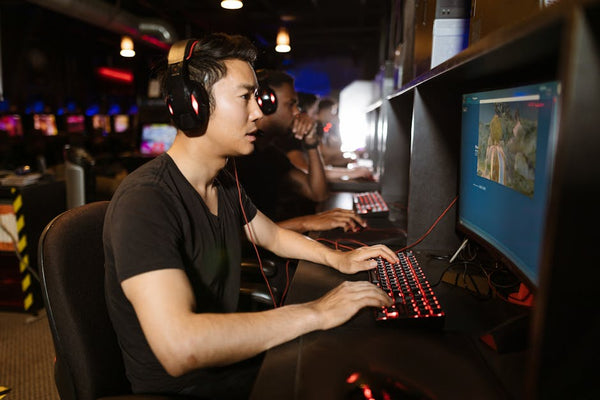
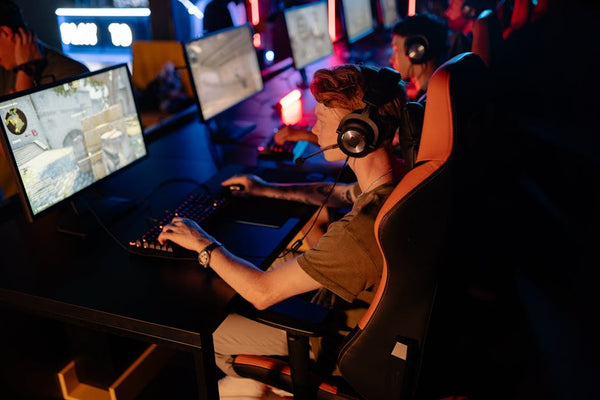
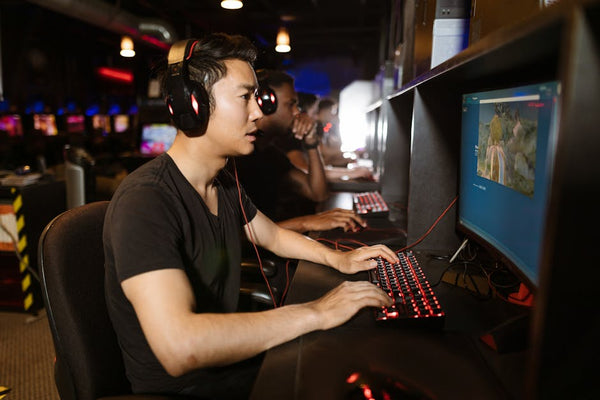
Let's be real about esports for a minute. These players are absolutely destroying their gear. I've seen pro setups where mice get replaced every few months because the switches start failing under that intense usage pattern. When you're clicking 300+ times per minute in some games, traditional switches just can't keep up.
The optical registration eliminates that failure point entirely. No mechanical contacts means no oxidation, no spring fatigue, no gradual degradation of response times. For pro gaming where consistency is everything, that's huge.
But here's what really gets me excited – the adjustable actuation force. Keychron's implementation lets you tune the magnetic resistance to your preference. Want hair-trigger sensitivity for FPS games? Done. Need more resistance to avoid accidental clicks during strategy games? Also done.
The Real-World Performance Question
Okay, but does it actually feel good to use? This is where I had to dig deeper. Early optical switches felt mushy or disconnected. You'd click, but your brain wasn't getting that satisfying confirmation that the action registered.
From what I'm seeing in early reviews, Keychron nailed the tactile response. The magnetic bump happens at exactly the right point in the travel, synchronized with the optical trigger. It's not just functional – it feels intentional.
Hot take: this could finally kill the "optical vs mechanical" debate that's been raging in gaming forums for years. When you can have both benefits in one package, what's left to argue about?
Market Impact and Competition Response
Here's where things get interesting from a business perspective. Keychron isn't exactly known as a major player in the gaming mouse market. They've built their reputation on keyboards, particularly in the enthusiast mechanical keyboard space. This feels like them throwing down the gauntlet.
The big boys – Logitech, Razer, SteelSeries – have been iterating on the same basic switch designs for years. Some refinements here and there, but nothing revolutionary. Now you've got this keyboard company showing up with genuinely innovative mouse technology?
I wouldn't be surprised if we see rapid responses from the major brands. Competition breeds innovation, and consumers win when companies are forced to actually push boundaries instead of just refreshing their product lines with new RGB patterns.
Pricing and Value Proposition
Now comes the reality check. Premium technology usually means premium pricing. We don't have final retail numbers yet, but Keychron's track record suggests they'll position this competitively rather than going for maximum margin.
That's smart. Early adoption in gaming peripherals often hinges more on value perception than raw specs. If they price this reasonably – say, comparable to current high-end gaming mice – it could force the entire market to evolve.
When I was helping a customer at TieredUp Tech in Orange, TX last week build their custom gaming PC, we talked about how peripheral innovation has stagnated. This kind of hybrid technology could be exactly what the market needs to break out of incremental improvement cycles.
The Bigger Picture for Gaming Hardware
This isn't just about one company's mouse switch. It's about what happens when you stop accepting "good enough" as the standard. How many times have you used a piece of gaming gear and thought "this could be better" but just accepted the limitations?
Hybrid technologies might be the answer to a lot of these compromises. We're seeing it in keyboards with optical-mechanical switches, in headsets combining multiple driver technologies, and now in mice with dual sensing systems.
The question becomes: what other "impossible" combinations are actually just waiting for someone to engineer them properly?
Honestly, I'm more excited about this announcement than I've been about gaming peripherals in years. Not because it's flashy or has crazy RGB effects, but because it solves real problems that real gamers actually face. That's the kind of innovation worth paying attention to.
Whether Keychron can execute this vision and deliver a product that lives up to the technical promises remains to be seen. But just the fact that someone's pushing boundaries again? That's already a win for all of us.








Leave a Comment