


Cybersecurity Expert Turns Cybercriminal: Essential Gaming Tips to Protect Yourself
So here's something that made my coffee go cold this morning: a cybersecurity expert just pleaded guilty to conspiracy to deploy ransomware. Yeah, you read that right. The person who was supposed to protect us from cyber threats? They became one. Facing up to 20 years in prison, this case is a brutal reminder that trust means nothing in the digital world.
As someone who's spent years helping gamers protect their rigs and personal data, this story hits different. How many times have I told customers that their biggest threat comes from external hackers? Well, plot twist.
Why Gamers Are Prime Targets for Cybercriminals
Let's be real about something. Gamers are walking ATMs for cybercriminals.
Think about it – you've got expensive hardware, digital libraries worth thousands, cryptocurrency for in-game purchases, and you're constantly downloading "sketchy" mods and software. Remember when I helped that customer at our shop in Orange, TX who lost his entire Steam library because he clicked on a fake game launcher? Dude had over $3,000 worth of games just... gone.
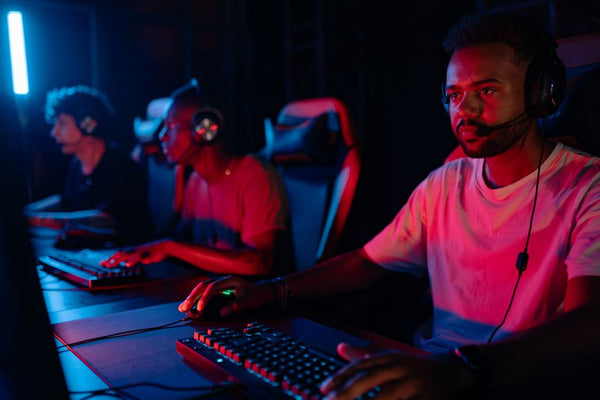
The gaming community's trust-first mentality makes us vulnerable. We share Discord servers with strangers. We download files from random GitHub repositories. We click links in Twitch chat without thinking twice. It's honestly amazing more of us don't get burned.
Your Gaming Setup Is Worth More Than You Think
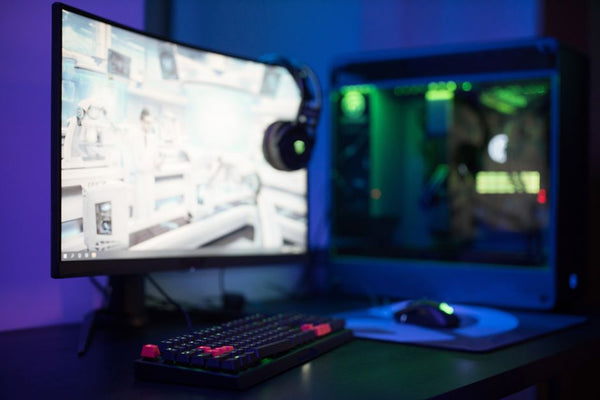
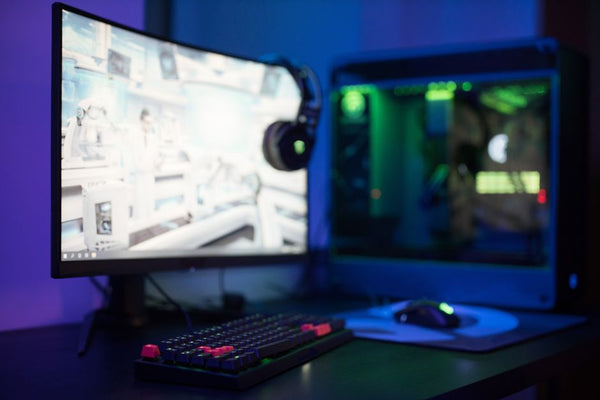
That RTX 4080 didn't cost $1,200 just to run Minecraft at 60fps. Cybercriminals know you're packing serious hardware, which means serious resale value. They also know you're probably running multiple accounts across platforms – Steam, Epic, Battle.net, Xbox Live, PlayStation Network.
One successful breach gives criminals access to your entire digital gaming ecosystem.
Hot take: if you're not protecting your gaming setup like it's a small business, you're doing it wrong. Because financially? That's exactly what it is.
Gaming Tips That Actually Protect Your System
Alright, enough doom and gloom. Let's talk practical gaming performance and security measures that don't kill your FPS or make you paranoid about every download.
The Two-Factor Authentication Rule
If it connects to the internet and has your credit card info, it needs 2FA. Period. Steam, Epic, your email, your Discord – everything. I cannot tell you how many sob stories I've heard from customers who lost rare skins worth hundreds because they thought their password was "strong enough."
Your password isn't strong enough. Trust me.
Separate Your Gaming and Personal Networks
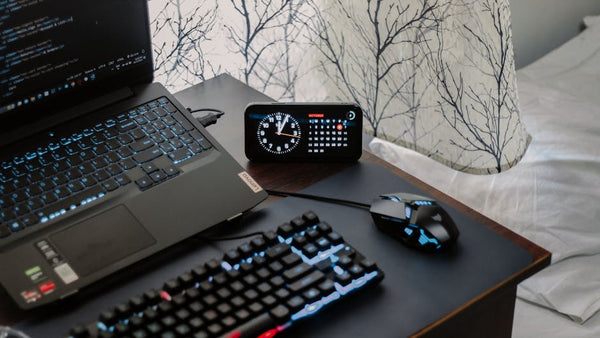
This one's lowkey genius and most people sleep on it. Set up a separate network for your gaming devices. If someone compromises your Xbox or gaming PC through a sketchy download, they can't immediately access your work laptop or smart home devices.
Yeah, it's extra work. But so is explaining to your boss why the entire home network got infected because you downloaded that "totally safe" texture pack for Skyrim.
PC Optimization That Doubles as Security
Here's where gaming performance and security actually overlap. Regular system maintenance isn't just about keeping your FPS high – it's about keeping malware out.
Keep your GPU drivers updated. Not just for the latest game optimizations, but because outdated drivers are security vulnerabilities waiting to happen. Same with your operating system. Those Windows updates you keep postponing? They're patching holes that criminals exploit.
Clean out old games and software you don't use. Every program is a potential attack vector. If you're not actively playing that early access indie game from 2019, uninstall it.
The Insider Threat Is Real (And Growing)
This cybersecurity expert turned criminal case? It's not an isolated incident. Insider threats are exploding across every industry, and gaming isn't immune.
Think about all the people who have access to your data. Game developers, platform operators, third-party mod creators, Discord server admins. What happens when one of them decides to cash in their access for a quick payday?
Personally, I think we're about to see a lot more of these cases. The financial incentives are just too high, and the oversight is practically nonexistent in many gaming companies.
Limit What You Share
Do you really need to link your real name to your gaming accounts? Does Steam need to know your phone number? Should you be posting screenshots with your username clearly visible?
I'm not saying become a digital hermit, but maybe don't make it easy for bad actors to build a profile on you. The less information floating around, the smaller the target on your back.
Building Defense Into Your Gaming Setup
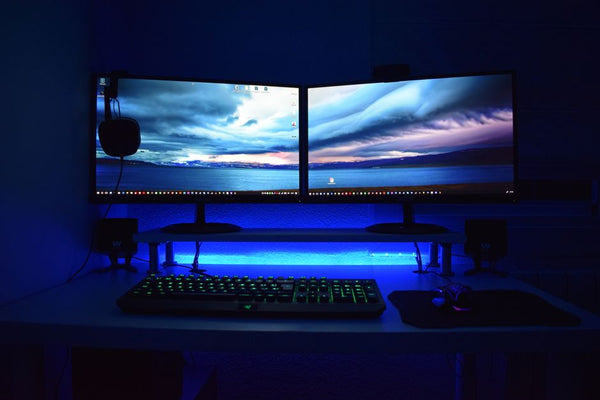
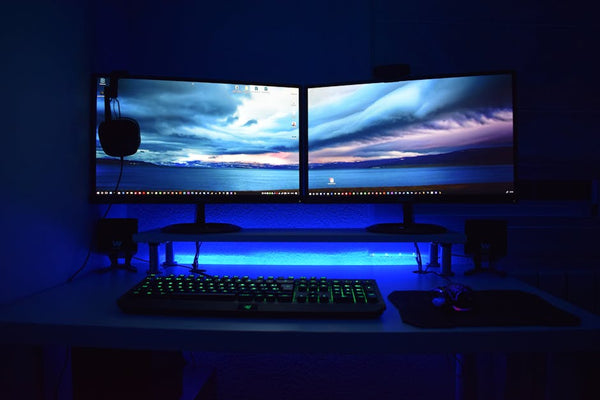
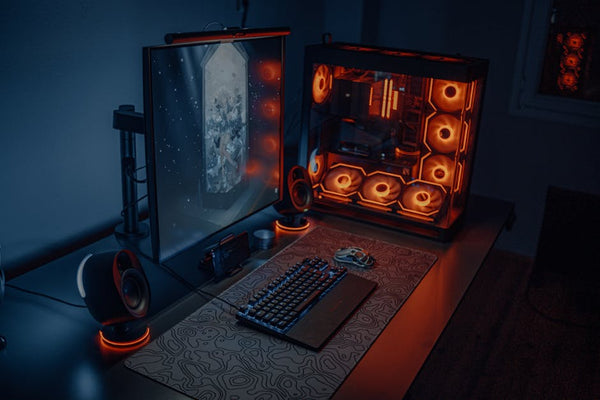
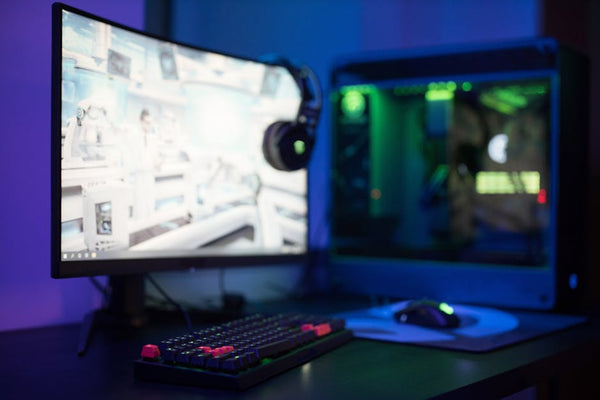
When you're planning your next build or upgrade, security should be part of your specs sheet. Just like you research the best GPU for your budget, research the best security tools for your gaming habits.
Antivirus that doesn't tank your gaming performance exists – find it. Firewalls that understand gaming traffic patterns are worth the investment. And honestly? A good VPN isn't just for bypassing region locks anymore.
If you're building a custom gaming PC, consider dedicated security hardware from the start. It's easier than trying to retrofit protection onto an existing system.
The Backup Strategy Nobody Talks About
You backup your save files, right? But what about your system configurations, your keybindings, your carefully curated mod lists?
Ransomware doesn't just encrypt your documents – it hits everything. Game configurations, shader caches, years of perfectly tweaked settings. All gone unless you've planned ahead.
Multiple backups, different locations, regular testing. It's not exciting, but neither is rebuilding your entire setup from scratch.
Trust Nothing, Verify Everything
The biggest lesson from this cybersecurity expert gone rogue? Your security is ultimately your responsibility. You can't outsource it to experts who might turn criminal. You can't rely on platforms that prioritize profits over protection.
Every download is a risk. Every new platform account is an expansion of your attack surface. Every shared server or lobby is a potential infiltration point.
Does that mean we should all become paranoid hermits who only play offline single-player games? Nah. But it means we need to be smarter about how we game online.
The cybercriminal in this case is facing two decades in prison, but the damage they caused? That lasts way longer than any sentence. Don't let your gaming setup become someone else's payday.

































Leave a Comment