


Witchaven Delisting: Grab This Build Engine Pioneer Before It Vanishes from Steam
Well, this is some unexpected tech news that's got me feeling nostalgic as hell. Witchaven, one of the very first games ever built on the legendary Build Engine, is getting delisted from Steam along with its sequel. If you're into gaming history or just love classic FPS titles that actually require some skill, you've got until the end of this month to snag these before they disappear into digital oblivion.
Ngl, this hits different. The Build Engine basically laid the groundwork for everything we consider "good" about retro shooters today. Duke Nukem 3D? Blood? Shadow Warrior? All Build Engine babies. And Witchaven was right there at the beginning, being weird and ambitious when everyone else was still trying to figure out what the hell a "polygon" was.
Why Witchaven Actually Matters for Gaming Technology
Let me paint you a picture. It's 1995, and Ken Silverman just dropped the Build Engine like it's hot. This wasn't just another Doom clone engine – this thing could do room-over-room layouts, sloped floors, and destructible environments when most games were still stuck with basic rectangular rooms. Witchaven was one of the first to show off these capabilities, even if it did it in the most medieval fantasy way possible.
The game's pretty busted by today's standards, honestly. The combat feels clunky, the AI is dumber than a box of rocks, and the graphics... well, let's just say they've aged about as well as milk left in a hot car. But here's the thing – this game was pushing technical boundaries when pushing technical boundaries actually meant something.
Personally, I think every PC gaming enthusiast should experience at least one Build Engine game in its original form. Not some remastered version with modern conveniences, but the raw, unfiltered 90s experience that made your Pentium 90 wheeze like it was climbing Mount Everest.
What Made Build Engine Special
The Build Engine wasn't just about prettier graphics – it fundamentally changed how developers could think about level design. You could have bridges you could walk under AND over. Elevators that actually moved between floors. Hell, you could even have mirrors that worked properly, which sounds stupid until you realize how much processing power that actually required back then.
Witchaven used these features to create castle environments that felt genuinely three-dimensional in ways that Doom and Wolfenstein just couldn't match. Was it perfect? Absolutely not. Did it crash more often than my patience when explaining why 8GB of RAM isn't enough for modern gaming? You bet. But it was ambitious as hell.
Fun fact: The Build Engine could theoretically support up to 4096 different sectors in a single level, which was absolutely bonkers for 1995. Most developers never even came close to hitting that limit.
The Delisting Drama and What It Means
So why's this happening? Same old story – licensing issues, probably. Some corporate suits somewhere decided that maintaining these games on Steam wasn't worth the paperwork anymore. It's genuinely frustrating how much gaming history just vanishes because of red tape and expired contracts.
The publisher threw both Witchaven games on sale for 75% off as a "farewell gesture," which is nice I guess, but also feels like watching a museum burn down while someone hands out discount tickets. These aren't just games – they're pieces of technology history that helped shape everything we play today.
Hot take: Digital preservation in gaming is absolutely terrible, and situations like this prove it. When physical media was king, at least you could dig out your old CDs and install games whenever you wanted. Now? Once it's delisted, you're basically SOL unless you already own it or want to sail the high seas, which I'm definitely not suggesting anyone do.
What You're Actually Getting
If you decide to grab Witchaven before it disappears, here's what you're in for. It's a fantasy-themed FPS where you play as a knight fighting through castles filled with undead monsters. Think medieval Doom with worse AI and more ambitious level design. The sequel, Witchaven II, basically took everything from the first game and made it slightly less janky.
Both games support resolutions up to 800x600, which was actually pretty impressive for the time. They'll run on literally anything modern – I mean, a Raspberry Pi could probably handle these without breaking a sweat. But here's where it gets interesting for us hardware nerds: these games actually benefit from modern CPUs in ways the developers never intended.
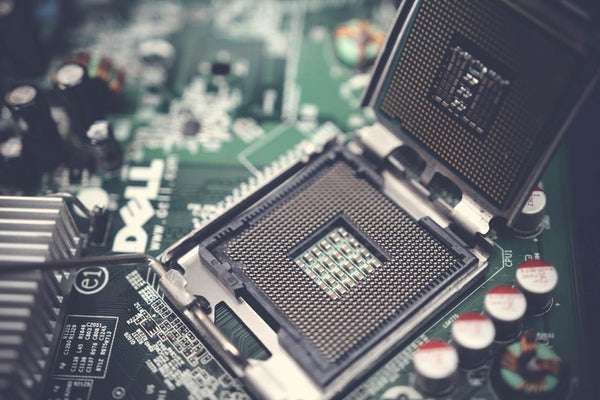
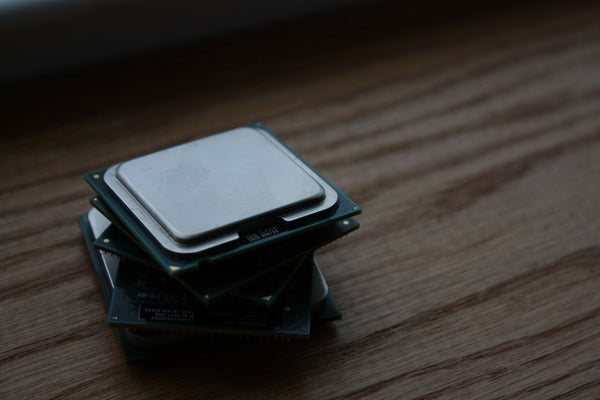
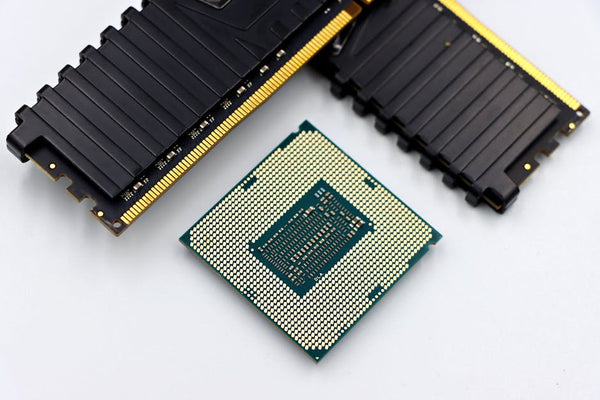
The Build Engine was heavily CPU-dependent for its rendering calculations. On period-appropriate hardware, you'd be lucky to maintain 30fps in complex scenes. But throw a modern Ryzen or Intel chip at it? Butter smooth. It's actually kind of hilarious watching a 486-era game run at 300+ fps on current hardware.
Running Witchaven on Modern Systems
Getting these old Build Engine games running properly on Windows 11 can be a bit of a pain. The Steam versions include DOSBox configurations that work most of the time, but don't be surprised if you need to fiddle with settings to get everything looking right.
I was helping a customer at our shop here in Orange, TX last week with a similar retro gaming setup, and the biggest issue is usually getting the aspect ratio correct. These games were designed for 4:3 monitors, so they look stretched and weird on modern 16:9 displays unless you force the correct scaling.
Pro tip: If you're serious about retro gaming, consider setting up a dedicated retro gaming partition with Windows 98 or XP. Yeah, it's extra work, but there's something pure about experiencing these games in their native environment. Plus, you'll appreciate how far we've come when you boot back into your main system with its NVMe SSD and 32GB of DDR5.
Performance Expectations
Here's the funny thing about running 1995 games on 2024 hardware – you start noticing things the original developers probably never intended you to see. Frame timing becomes so consistent that animation quirks become obvious. Input lag drops so low that the game feels almost twitchy compared to how it originally played.
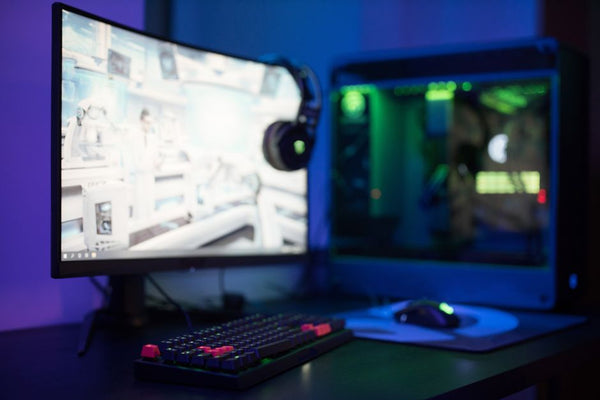
If you're building a system specifically for retro gaming (which honestly sounds like a fun project), you don't need much. Even a basic budget build with integrated graphics will absolutely demolish these games. Save your money for the modern titles that actually need horsepower.
Why This Delisting Actually Pisses Me Off
Look, I get it. These aren't exactly blockbuster titles that bring in massive revenue for Steam or the publishers. But this is exactly the kind of historical gaming content that should be preserved and easily accessible. How are new generations of developers supposed to learn from and build upon this stuff if it keeps disappearing?
The Build Engine influenced everything from Duke Nukem 3D to modern indie shooters like Ion Fury. Witchaven might not be the best example of what the engine could do, but it's an important one. It's like throwing away the first draft of a famous novel because the final version is better.
Gaming preservation shouldn't depend on corporate whims and licensing agreements. These games should be in the public domain by now anyway – 30 years is plenty of time for companies to recoup their investments. But instead, we're left scrambling to buy games before they vanish forever.
Honestly, situations like this make me appreciate projects like the BitCrate Custom Gaming PCs we put together – at least when you own your hardware, you know it's not going anywhere. Your physical rig isn't going to get "delisted" because some executive decided it wasn't profitable enough.
The Bigger Picture
This Witchaven delisting is just another reminder that digital ownership is kind of a joke. You don't really own these games – you're licensing them temporarily until someone decides you can't anymore. It's the same reason I always recommend keeping local backups of important files and why physical media still matters for things you actually care about.
The silver lining? Games like Witchaven are exactly why emulation and preservation communities exist. Someone, somewhere, is going to make sure these games don't completely disappear. It shouldn't have to be that way, but at least the option exists.
If you've got five bucks burning a hole in your Steam wallet and any interest in gaming history, grab Witchaven before it's gone. It's not going to blow your mind, but it might give you a new appreciation for how far we've come. And who knows? Maybe playing through some truly janky 90s combat will make you better at Dark Souls or something equally ridiculous.
The deadline's coming fast, and once these games are delisted, that's it. No more easy access, no more Steam achievements for completing genuinely difficult retro games, and one less piece of Build Engine history readily available for curious gamers to discover.













Leave a Comment