


Why AI Data Centers Are Moving to Small Towns (And What It Means for Your Gaming PC Build)
Ever notice how your internet randomly tanks during peak hours? Yeah, me too. But here's something wild happening behind the scenes that's actually going to affect your gaming PC build in ways you probably haven't thought about.
AI companies are basically pulling a fast one on city governments by building massive data centers out in rural areas. No city council meetings. No angry neighbors showing up with pitchforks. Just... quiet farmland turning into server farms overnight.
Why should gamers care about this? Because these data centers are eating up the same components we need for our rigs, driving prices up while simultaneously promising us better cloud gaming and AI features. It's a weird push-pull situation that's reshaping the entire tech landscape.
The Great Rural Data Center Gold Rush
Picture this: you're a tech giant with billions to burn on AI infrastructure. Do you want to spend two years fighting city councils in San Francisco about noise ordinances and environmental impact studies? Or do you want to plop down your servers on some farmer's old cotton field where the biggest concern is whether you're blocking the view of the sunset?
Companies are choosing door number two. Hard.
These rural locations offer something cities can't: space without strings attached. We're talking about 500-acre parcels where you can build multiple facilities without worrying about rezoning votes or public hearings. No NIMBY protests. No lengthy environmental reviews.
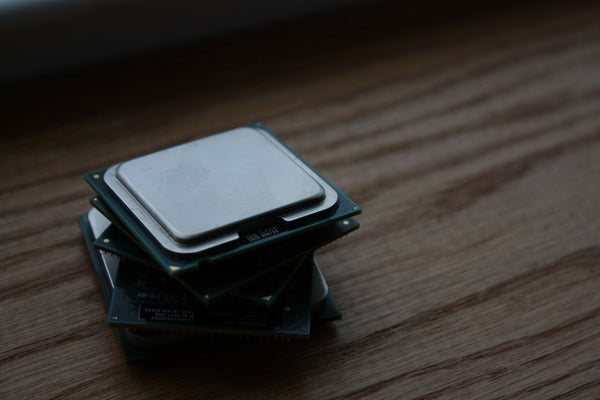
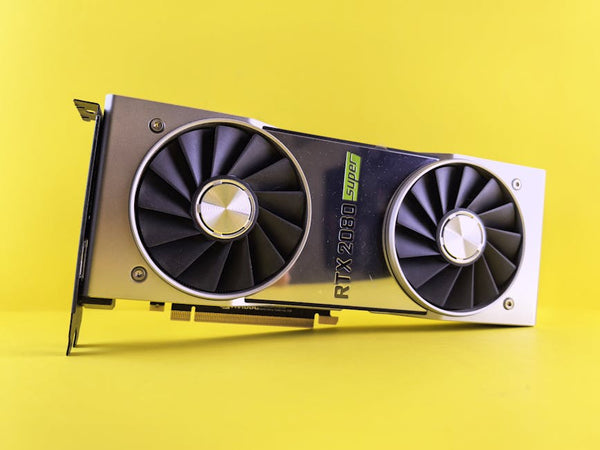
But here's where it gets interesting for us PC builders. These data centers aren't just using different CPUs and GPUs than what we buy — they're using SO MANY of them that they're affecting global supply chains. Remember the GPU shortage during crypto mining? This is potentially bigger.
What This Means for Your Custom Gaming PC Budget
Personally, I think we're looking at a fundamental shift in how we approach PC build guides. When I was helping a customer at TieredUp Tech in Orange, TX last week configure a $1,200 build, we had to make some tough calls on GPU selection that we wouldn't have needed to make two years ago.
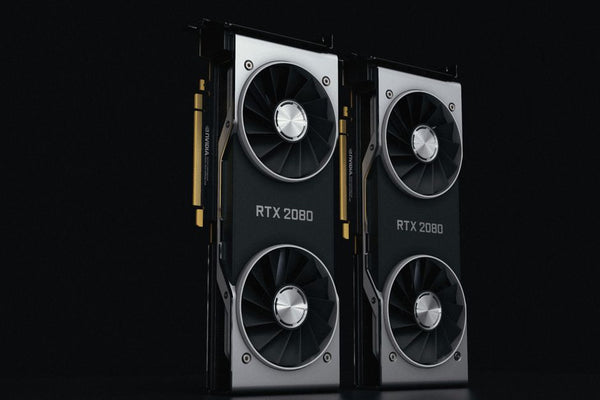
The RTX 4070 he originally wanted? Out of stock everywhere, and when it's available, it's $50 more than it should be. Why? Because data center demand is sucking up production capacity faster than NVIDIA can scale manufacturing.
Here's the thing though — and this might sound counterintuitive — this rural data center boom might actually help gamers in the long run. How?
More data centers means more edge computing. Edge computing means lower latency for cloud gaming services. And lower latency cloud gaming means you might not need that $800 GPU after all. Maybe a solid $300 card becomes your sweet spot while you stream the demanding stuff.
The Hidden Impact on PC Component Availability
Let's talk real numbers here. A single AI data center can use 10,000+ H100 GPUs. That's roughly equivalent to the gaming GPU production for an entire month, just for one facility. And these companies aren't building one data center — they're building dozens.
But it's not just GPUs getting scarce. DDR5 RAM, high-end PSUs, even specialized cooling solutions are seeing increased demand from data center projects. That 32GB DDR5-5600 kit you've been eyeing? It might be $200 instead of $150 by next year because industrial buyers are willing to pay premium prices for bulk orders.
The silver lining? This demand is pushing innovation. We're seeing new CPU architectures optimized for both gaming and AI workloads. AMD's latest chips are lowkey designed with this dual-purpose mindset. Intel's doing the same thing.
Supply Chain Ripple Effects
Remember when everyone was panic-buying toilet paper? Data centers are basically doing that with semiconductors, but with billion-dollar budgets and three-year purchase agreements.
This creates weird market dynamics. Sometimes you'll find previous-generation components at better prices because manufacturers are focusing production on newer chips for data centers. That RTX 3070? Might be your best value play right now, not the RTX 4060.
Rural Infrastructure Gets a Tech Upgrade
Here's something most people don't realize: these rural data centers need massive internet infrastructure to function. We're talking fiber optic cables running through small towns that previously maxed out at DSL speeds.
What does this mean for gamers in those areas? Suddenly rural Texas or Iowa might have better internet than downtown Chicago. I've seen customers drive from Houston to our shop in Orange specifically because their rural internet got a massive upgrade thanks to a nearby data center project.
One guy told me his ping dropped from 80ms to 12ms after a data center went live twenty miles from his house. That's better than what most city gamers get.
The Budget Builder's New Reality
Hot take: this whole situation is actually creating opportunities for smart builders who know how to adapt.
Instead of fighting data centers for the latest GPUs, why not build around what they don't want? They need compute power, not gaming-specific features like ray tracing or high refresh rate support. This means cards optimized for gaming (rather than pure compute) might become relative bargains.
The RTX 4060 Ti, for example, isn't great for AI training but it's solid for 1440p gaming. While data centers fight over A6000s and H100s, gamers can build their custom gaming PC around hardware that's actually designed for our use case.
Here's my strategy for the next two years: focus on energy efficiency and future-proofing rather than raw power. These data centers are consuming insane amounts of electricity, which is driving power costs up in some regions. A 400W gaming rig might cost significantly more to run than a 250W rig with similar performance.
Component Timing Strategy
Timing your build is becoming more critical than ever. Data center construction happens in waves — when a major AI company announces a new facility, expect component shortages three to six months later as they stockpile hardware.
But here's the thing: they usually announce these projects publicly. Follow tech news, watch for data center announcements, and time your purchases accordingly.
The Unintended Gaming Benefits
Honestly, I'm conflicted about this whole trend. On one hand, it's making our hobby more expensive. On the other hand, it's accidentally creating some amazing infrastructure that gamers can benefit from.
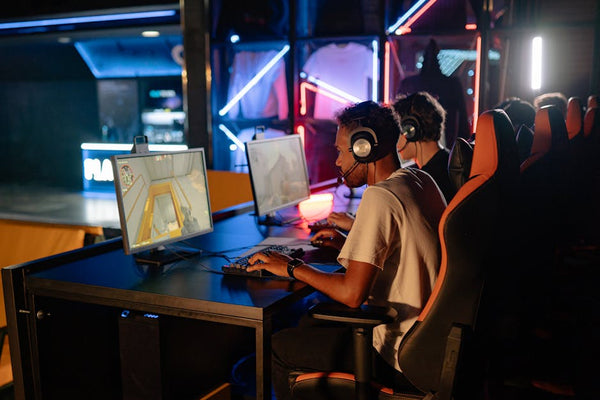
Take cloud gaming. Services like GeForce Now and Xbox Game Pass are only as good as their data center networks. More rural data centers means better coverage for cloud gaming services. That matters when you're trying to stream Cyberpunk 2077 to your Steam Deck while traveling.
Plus, these facilities need redundant power systems, which means rural areas are getting more reliable electricity infrastructure. Ever had your gaming session ruined by a power outage? Less likely to happen near these new data centers.
Building Smarter in the AI Era
The real question isn't whether this trend will continue — it absolutely will. The question is how we adapt our building strategies to work with it rather than against it.
Maybe that means prioritizing efficiency over raw power. Maybe it means buying components six months ahead of your build timeline. Maybe it means considering cloud gaming for the most demanding titles while building a solid local gaming rig for everything else.
What I'm seeing in my day-to-day work is that the most successful builds right now aren't trying to max out every spec. They're balanced systems that can handle today's games well while leaving room for future upgrades when component availability stabilizes.
The customers who come in wanting to spend $3,000 on the absolute latest everything? They're often walking away frustrated because half the components they want are backordered or overpriced. But the ones building smart $1,200-1,500 rigs? They're getting systems that'll game beautifully for years while the data center dust settles.
This isn't just a temporary supply crunch we can wait out. This is the new normal, and frankly, that's not entirely bad news. It's pushing all of us — manufacturers, retailers, and builders — to be smarter about how we approach PC gaming. Sometimes constraints breed innovation, and I'm curious to see what comes next.











Leave a Comment