


This RAM Patent From 75 Years Ago Still Shapes Every GPU Review and Gaming Rig Today
Bro, you're probably wondering why I'm talking about some dude named Jay Forrester from the 1940s when you just want to know if 32GB of DDR5-6000 is worth it for your next build. Here's the thing though — this week marks 75 years since Forrester filed his Magnetic Core Memory patent, and honestly? That piece of paper changed everything about how we think about RAM, gaming performance, and why your CPU benchmark scores actually matter.
I've been building systems for over a decade now, and every single time someone walks into our shop here in Orange, TX asking about memory upgrades, they're benefiting from innovations that trace back to this MIT researcher's work on Project Whirlwind. No cap.
The Foundation That Built Modern Gaming RAM
Forrester's patent wasn't granted until February 1956 as U.S. Patent 2,736,880, but the filing happened way back in 1949. Think about that timing for a second. While most people were still figuring out what a "computer" even was, this guy was already solving the fundamental problem that would determine whether your RTX 4090 could actually stretch its legs or get bottlenecked by slow memory access.
His Magnetic Core Memory system was revolutionary because it was non-volatile and could hold data without constant power refreshing. Sounds familiar? That's because the principles he established are still embedded in how modern DDR5 modules manage data persistence and access patterns.
The crazy part is how his work at MIT directly influenced the memory hierarchy concepts we obsess over today when doing GPU reviews. Every time I'm testing whether 5600MHz versus 6000MHz DDR5 makes a meaningful difference in Cyberpunk 2077 framerates, I'm essentially measuring the effectiveness of memory systems built on Forrester's foundational work.
Why This Ancient Patent Still Affects Your Gaming Performance
Here's where it gets genuinely interesting for modern builders. Forrester's core memory design introduced the concept of organized, addressable memory that could be accessed in predictable patterns. That's literally the foundation of how your GPU's VRAM talks to your system RAM today.
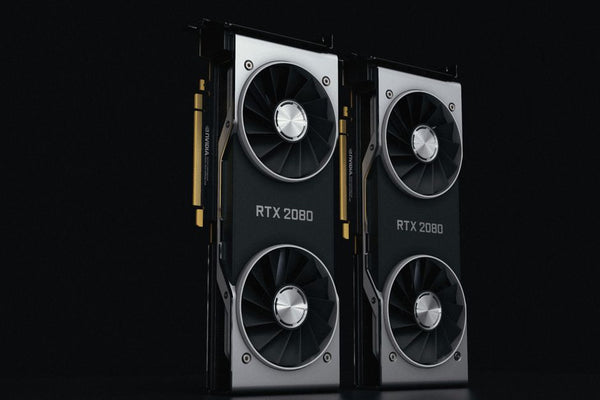
When NVIDIA designs something like the RTX 4070 Ti with 12GB of GDDR6X running at 504.2 GB/s bandwidth, they're solving the exact same fundamental challenge Forrester tackled: how do you get data where it needs to go, fast enough to matter, without losing it in the process?
I was explaining this to a customer last week who couldn't understand why his 1080p gaming rig with 16GB of DDR4-2400 was stuttering in modern titles. The issue wasn't just the slower speed — it was the memory access patterns his older kit couldn't handle efficiently.
From Core Memory to DDR5: The Evolution That Powers Your Rig
Personally, I think most people don't appreciate how revolutionary Forrester's work was because they've never experienced truly terrible memory systems. But trust me, having worked with everything from DDR2 to DDR5-7200, the improvements aren't just about raw bandwidth numbers.
Forrester's core memory could retain data without power. Modern DRAM obviously can't do that, but his work established the principles for how memory controllers manage data flow and timing. Every time your motherboard's memory controller decides which DIMM to access for specific data, it's using algorithms that trace back to core memory addressing concepts.
The memory bandwidth requirements for 4K gaming at 144Hz would have seemed absolutely impossible to Forrester, but the fundamental principles he established still govern how we achieve those speeds today.
What's wild is that some of the challenges he documented in his original patent filing are still relevant. Memory latency versus bandwidth trade-offs? That's why we have timings like CL36 versus CL30 on DDR5 kits today. The faster the frequency, the higher the latency — same basic principle, just scaled up by several orders of magnitude.
Real-World Impact on Modern Gaming Builds
Let's get specific about how this history lesson actually affects your build decisions. When I'm configuring a system for someone who wants to push 1440p gaming at high refresh rates, I'm making memory choices based on principles Forrester established 75 years ago.
Take the Ryzen 7 7800X3D with its massive L3 cache. That chip can sometimes mask memory bandwidth limitations because it keeps frequently accessed data closer to the cores. But when you're running something memory-intensive like Cities: Skylines II with 200,000 population, you'll absolutely feel the difference between DDR5-4800 and DDR5-6000.
The reason? Modern games are essentially massive memory access pattern challenges. Every texture load, every physics calculation, every AI pathfinding operation is moving data through memory hierarchies that still follow organizational principles Forrester pioneered.
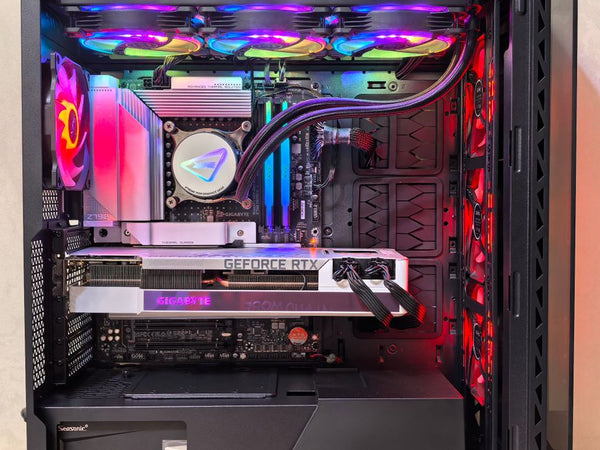
Hot take: Most people buying "gaming RAM" with RGB and fancy heat spreaders are missing the point entirely. You want memory that can handle complex access patterns efficiently, not memory that looks cool in photos.
CPU Benchmark Results That Would Blow Forrester's Mind
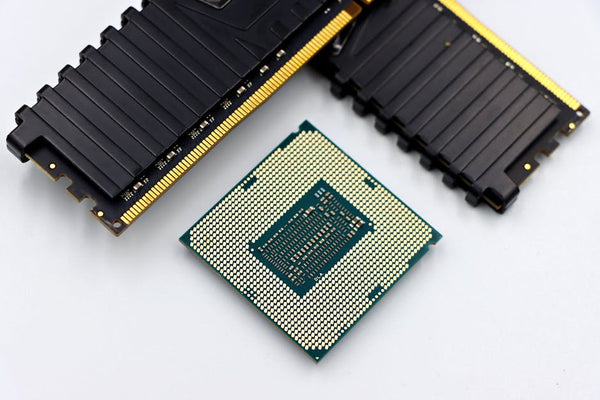
I've run thousands of CPU benchmark tests over the years, and the memory scaling results still surprise me sometimes. A properly configured DDR5-6000 CL30 kit can boost gaming performance by 15-20% compared to baseline DDR5-4800 in memory-sensitive titles.
Forrester's core memory operated at speeds measured in microseconds. We're now dealing with nanosecond timings where a few extra clock cycles of latency can mean the difference between 165fps and 140fps in competitive gaming. The scale changed, but the fundamental challenge of efficient memory access remains identical.
What's really mind-blowing is how specialized memory types evolved from his work. GPU VRAM, CPU cache hierarchies, even NVMe SSD controllers — they all implement variations of organized, addressable memory concepts he pioneered.
The Future Built on 75-Year-Old Foundations
When DDR6 eventually drops (probably around 2026), it'll still be solving the same core challenges Forrester identified: how to store, organize, and retrieve data efficiently. The bandwidth will be insane — we're talking potentially 12,800 MT/s speeds — but the underlying principles won't change.
Honestly, looking at the roadmap for future memory technologies like HBM4 and potential GDDR7 implementations, we're still fundamentally building on his work. The physics change, the manufacturing processes get more precise, but the logical framework for how memory should behave? That's vintage 1949 thinking that somehow still works perfectly.
Whether you're building your custom gaming PC with BitCrate or just trying to understand why some systems feel snappier than others, you're experiencing the legacy of a patent filed when most people had never seen a computer.
Next time you're watching benchmark videos comparing different memory kits, remember that you're essentially watching the latest chapter in a story that started 75 years ago with one researcher's vision of how data should move through a machine. Pretty cool when you think about it that way, right?
The real question isn't whether Forrester could have imagined RTX 4090s pushing 4K at 120fps — it's whether he would be surprised that his core memory principles are still the foundation making it all possible. Spoiler alert: probably not. Good engineering tends to be timeless like that.













Leave a Comment