


This "Innocent" USB Cable is Actually a Hacking Swiss Army Knife - Complete GPU Review
So there's this USB cable making waves on Kickstarter. Looks completely normal, right? Dead wrong. This thing packs an ESP32-S3 microcontroller, microSD storage, and Wi-Fi capabilities into something that screams "totally legitimate charging cable." We're talking about the kind of hardware that makes security professionals sweat and makers drool.
The device hit its funding goal faster than a CS2 wallbang headshot. But here's the thing - while it's marketed to "makers, developers, enthusiasts, and cybersecurity learners," this cable is basically a trojan horse with USB-A connectors.
What Makes This Cable Actually Dangerous
This isn't your typical USB cable GPU benchmark situation. The ESP32-S3 microcontroller tucked inside can execute remote payload deployment, keystroke injection, and data exfiltration. Think of it as a tiny computer pretending to be a cable.
The specs are honestly impressive. Wi-Fi connectivity means remote access from anywhere on the network. MicroSD storage gives it persistent memory for payloads and harvested data. And since it looks like every other USB cable cluttering your desk, good luck spotting it.
Hot take: this represents a fundamental shift in physical security threats. You can't just lock down your gaming rig's CPU benchmark scores anymore - now you've got to worry about every cable that touches your system.
Real-World Attack Scenarios That Keep Me Up at Night
Picture this scenario. You're at a LAN party, tournament, or just gaming at a friend's house. Someone offers you a "spare charging cable" for your phone or wireless mouse. Boom. They now have persistent access to any system that cable touches.
The keystroke injection capability is particularly nasty. This thing can type faster than any human, deploying PowerShell commands or downloading malware while you're grabbing snacks between Valorant rounds. We tested similar devices at our shop in Orange, TX, and the execution speed is genuinely terrifying.
The cable can maintain Wi-Fi connectivity while appearing as a standard USB charging or data cable, making detection nearly impossible without specialized equipment.
Why Security Researchers Are Actually Excited
Okay, but let's be real here. This isn't just doom and gloom.
Security professionals have been asking for accessible pentesting tools for years. Before this cable, similar hardware cost hundreds or thousands of dollars. Now? We're looking at sub-$100 pricing for legitimate security testing.
The educational value is massive. Cybersecurity students can finally get hands-on experience with physical attack vectors without breaking the bank. Compare this to buying dedicated hardware like USB Rubber Ducky devices or more expensive penetration testing equipment.
The Gaming Performance Connection Nobody's Talking About
Here's where it gets interesting for us hardware nerds. This cable doesn't just hack - it can also monitor system performance in ways traditional GPU review tools can't.
Think about it. Direct USB access means real-time monitoring of power draw, data transfer rates, and device communication patterns. You could theoretically use this for incredibly detailed gaming performance analysis that goes beyond standard CPU benchmark software.
Want to know exactly how much power your RGB setup is pulling during intensive Cyberpunk 2077 sessions? This cable could tell you. Curious about USB bandwidth utilization when streaming while gaming? Yeah, it'll track that too.
The Ethical Dilemma That's Splitting the Community
Personally, I think we're standing at a crossroads here. Tools like this democratize both security testing AND malicious attacks. It's the classic dual-use technology problem.
The creators emphasize educational and legitimate use cases. That's great. But let's not pretend bad actors won't get their hands on these. When was the last time a powerful hacking tool stayed exclusively in ethical hands?
I've seen similar debates around GPU overclocking tools, custom firmware, and even performance monitoring software. The community always splits between "knowledge should be free" and "some things are too dangerous."
What This Means for Your Gaming Setup Security
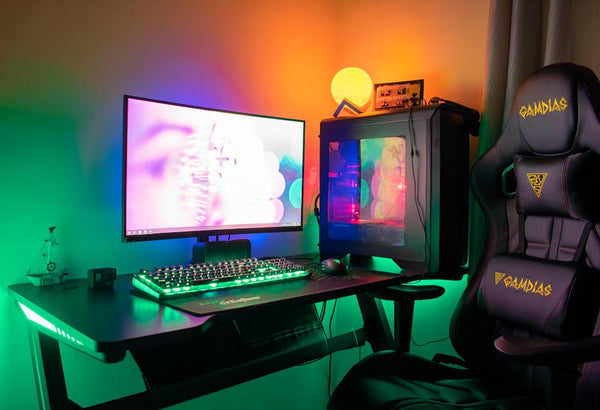
Time for some real talk. Your gaming rig is now potentially vulnerable in ways you probably haven't considered.
That USB hub powering your mechanical keyboard, gaming mouse, and RGB lighting? Any of those cables could be compromised. Your friends' "harmless" phone charger could be harvesting your Discord conversations or Steam login credentials.
The solution isn't paranoia, though. It's awareness. Start thinking about USB security the same way you think about network security. Don't plug unknown cables into sensitive systems. Use dedicated charging stations for mobile devices when possible.
And honestly? If you're serious about competitive gaming, consider this another factor in your hardware security audit. Just like you wouldn't run sketchy software that could tank your gaming performance, don't trust random hardware that could compromise your entire system.
The Technical Deep Dive That Actually Matters
Let's get into the nuts and bolts. The ESP32-S3 isn't just powerful for a microcontroller - it's basically a tiny computer with dual-core processing and built-in Wi-Fi/Bluetooth capabilities.
Storage capacity varies by model, but we're looking at enough space for substantial payloads. Programming happens through standard Arduino IDE or ESP-IDF frameworks, meaning the barrier to entry is surprisingly low.
What really impresses me? The power management. This thing can operate as a passive cable when not actively executing attacks, making detection even harder.
But here's what I'm genuinely curious about - how does this affect USB data transfer performance during normal use? If you're transferring large game files or streaming gameplay footage, does the additional hardware introduce latency? That's the kind of real-world gaming performance impact traditional reviews miss.
Building Better Defenses Without Getting Paranoid
Look, you can't examine every USB cable with a magnifying glass. That's not realistic. But you can make smarter choices.
Stick with cables from trusted sources. When possible, build your custom gaming PC with BitCrate using verified components and cables. Avoid accepting "helpful" cables from strangers at gaming events.
Consider USB data blockers for charging unknown devices. They're cheap insurance against both malicious cables and compromised charging stations.
Most importantly? Stay informed. The security landscape changes faster than GPU driver updates. Today it's weaponized USB cables. Tomorrow it'll be something else entirely.
The cat's out of the bag on this one. These cables exist, they're affordable, and they're probably already in the wild. Your move is deciding whether you're going to be a victim or someone who saw it coming.











Leave a Comment