


Jensen Huang Slams 'Stupid' GPU-Nuclear Weapons Comparison in Latest Tech News
So Jensen Huang just called out the government's analogy comparing AI GPUs to nuclear weapons, and honestly? The man's not wrong. During a recent interview, Nvidia's CEO went off about how ridiculous it is to treat graphics cards like weapons of mass destruction, especially when it comes to selling them to what the government calls "adversarial countries."
Look, I've been in gaming technology long enough to remember when people thought violent video games would turn kids into killers. Same energy. Different decade.
Why the Nuclear Weapons Comparison Makes Zero Sense
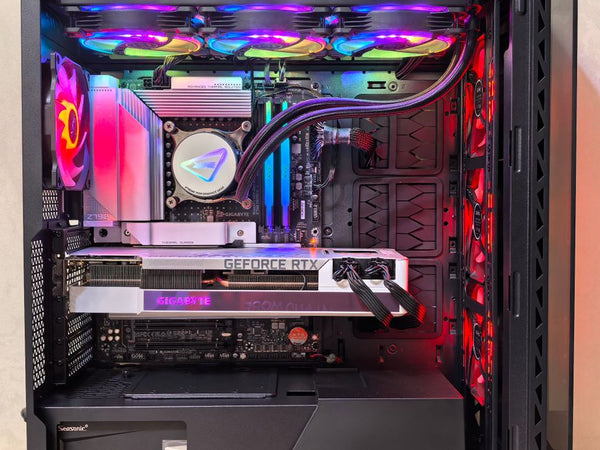
Huang's frustration is pretty understandable when you break it down. Nuclear weapons? They blow stuff up. They kill people. They end civilizations. GPUs? They render your Cyberpunk 2077 at 4K and help train AI models. The comparison is... well, Huang called it "stupid," and I'm inclined to agree.
The CEO argued that restricting GPU sales based on these comparisons is hurting innovation and global technological progress. "You cannot compare AI GPUs to nuclear weapons," he said, and tbh, that shouldn't be a controversial statement.
But here's where it gets interesting for us regular folks who just want to build sick gaming rigs or maybe dabble in some AI workloads. These export restrictions aren't just affecting countries like China – they're creating weird ripple effects throughout the entire GPU market that impact pricing and availability.
What This Actually Means for GPU Buyers
Remember the great GPU shortage of 2021-2022? Part of that mess was crypto mining, sure, but export controls and supply chain restrictions played a bigger role than most people realize. When you artificially limit where products can go, supply gets wonky everywhere.
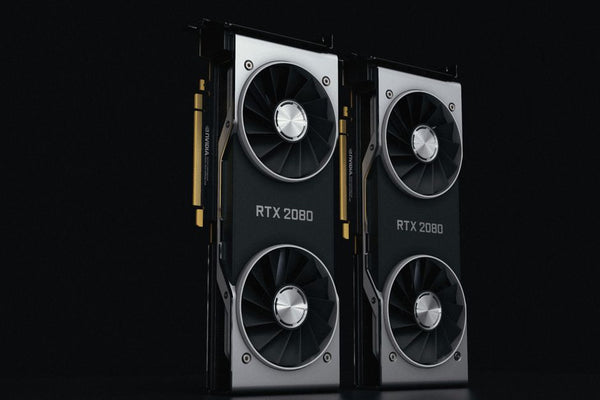
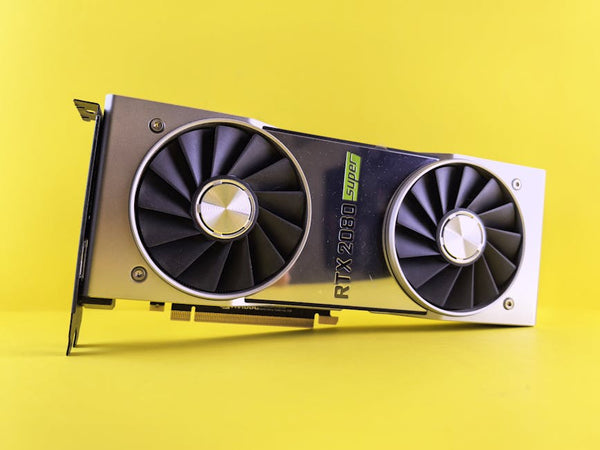
Working at TieredUp Tech here in Orange, TX, I've seen firsthand how these market disruptions trickle down to regular consumers. One week we'll have RTX 4070s sitting on shelves, the next week they're backordered for months. It's wild how geopolitical tensions can affect whether Jimmy from down the street can upgrade his gaming setup.
Hot take: Maybe we should focus on actual security concerns instead of treating every piece of silicon like it's plutonium?
The Real Gaming Technology Impact
Here's what Huang didn't say but what's happening behind the scenes. These restrictions are pushing other countries to develop their own GPU technologies faster. China's already working on domestic alternatives to Nvidia chips. Is that really what we want – fragmenting the global gaming technology ecosystem?
Think about it this way. When I help customers shop GPUs at TieredUp Tech, I usually recommend the best price-to-performance ratio regardless of where the silicon was fabbed. But if we start seeing regional GPU ecosystems develop, that calculus gets way more complicated.
We could end up with:
- US/European GPUs optimized for certain games and applications
- Chinese GPUs that work better with their domestic software
- Compatibility nightmares for developers trying to support everything
Nobody wants that mess.
The Economics Don't Add Up
Personally, I think the whole "adversarial countries" framing misses the point entirely. You know what happens when you tell a country they can't buy your premium GPUs? They figure out how to make their own. And suddenly your tech advantage disappears faster than GPU stock during a Steam sale.
Nvidia made $60.9 billion in revenue last year, with a huge chunk coming from data center GPUs that power AI workloads. Those aren't just going to gamers – they're going to research institutions, universities, and tech companies doing legitimate work. Are we really saying a computer science student in Beijing shouldn't have access to the same tools as one in Boston?
The math is simple. Restrict sales, lose market share, lose influence. Let competitors fill the gap you created with your own restrictions.
What Gamers and Enthusiasts Should Actually Worry About
Instead of freaking out about AI GPUs somehow becoming digital nukes, maybe we should focus on actual problems affecting the gaming community?
Like how about the fact that a decent gaming GPU still costs more than most people's monthly rent? I had a kid come into the shop last week with $300 saved up from his summer job, wanting to build his first PC. You know what that gets you in today's market? Maybe a GTX 1660 Super if you're lucky.
Or how about planned obsolescence? Companies pushing new standards so fast that your two-year-old card suddenly can't run new games properly? That's a bigger threat to gaming than some researcher in Shanghai using RTX 4090s for machine learning.
The Innovation Angle
Huang's broader point about innovation is spot-on, though. When you start treating technology like weapons, you slow down progress for everyone. Some of the coolest gaming tech we have today – real-time ray tracing, DLSS, even basic GPU compute – came from research that crossed borders and brought together smart people from everywhere.
You think DLSS would exist if Nvidia couldn't collaborate with researchers worldwide? Nah. That technology came from years of international cooperation in AI and computer graphics.
Now imagine if we'd restricted that collaboration from day one because someone decided GPUs were too dangerous. We'd still be stuck with rasterization and hoping our CPUs could handle physics calculations.
"The comparison is stupid. You cannot compare AI GPUs to nuclear weapons." - Jensen Huang, Nvidia CEO
Honestly, there's something refreshing about a CEO just calling BS when they see it instead of dancing around with diplomatic language.
Where Do We Go From Here?
The tension between national security and technological progress isn't going away anytime soon. But maybe we can find middle ground that doesn't involve treating every new graphics card like it's enriched uranium?
Smart export controls that focus on actual military applications? Sure. Blanket restrictions that lump gaming GPUs in with weapons systems? That's just going to hurt everyone, including the gamers and developers who drive this industry forward.
Because at the end of the day, whether you're in Orange, TX or Shanghai, China, you just want your games to run smooth and your renders to finish before you die of old age. These artificial barriers aren't protecting anyone – they're just making technology more expensive and less accessible for regular people.
Huang's right to call out the stupid comparisons. Now let's hope policymakers actually listen instead of doubling down on tech paranoia that helps nobody.













Leave a Comment