


GPU Review: Why AI Companies Are Building Monster Rigs While Banks Cut Jobs
Standard Chartered just announced they're axing 7,000 jobs to fund their AI push. Wild timing, right? While banks are dumping "lower-value human capital" for automation, us gamers are sitting here watching GPU prices still acting weird because of AI demand. Let's talk about what this means for your next gaming build and why the hardware market is absolutely bonkers right now.
The AI Gold Rush is Reshaping Hardware Demand
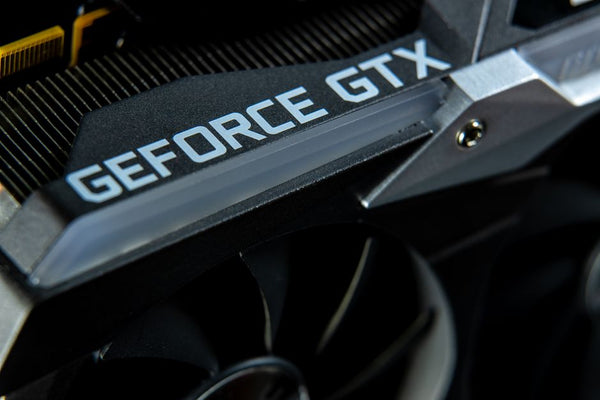
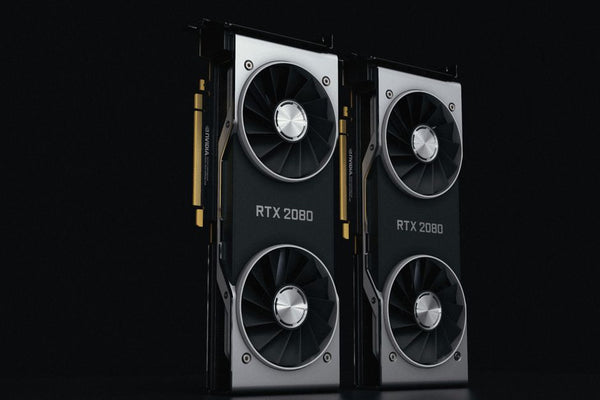
Here's the thing. Banks aren't just cutting jobs for fun. They're literally buying server farms packed with RTX 4090s and H100s to replace entire departments. That's thousands of high-end cards that could've been in gaming rigs instead going to corporate data centers.
I've been tracking this trend for months. GPU benchmark numbers don't tell the whole story when half the damn inventory disappears into AI workloads. You think your 4070 Ti shortage was bad? Try finding enterprise-grade hardware when every Fortune 500 company decides they need machine learning yesterday.
The disconnect is real. Gaming performance reviews focus on FPS in Cyberpunk 2077, but we're competing against companies dropping millions on compute power. Standard Chartered isn't worried about whether their setup can run Valorant at 240Hz – they want neural networks that can process loan applications faster than humans.
What This Means for Gaming Builds Right Now
Honestly, this creates both problems and opportunities. The bad news? High-end GPU availability stays sketchy. The good news? Companies are dumping older hardware as they upgrade to AI-specific chips.
Last week at our shop in Orange, TX, I helped a customer snag a barely-used RTX 3080 for $400 because a local business upgraded their entire ML setup. These enterprise refreshes are creating solid deals if you know where to look.
CPU Benchmark Reality Check: AI Workloads vs Gaming
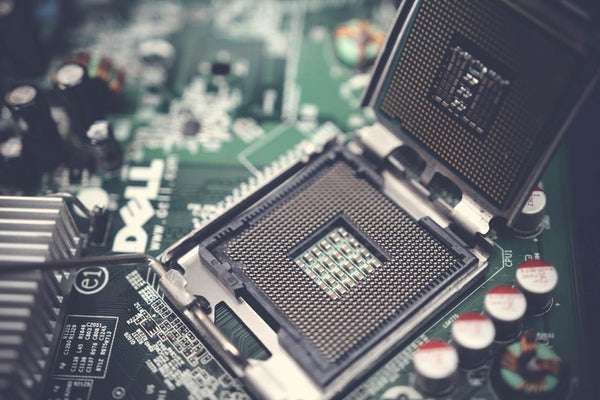
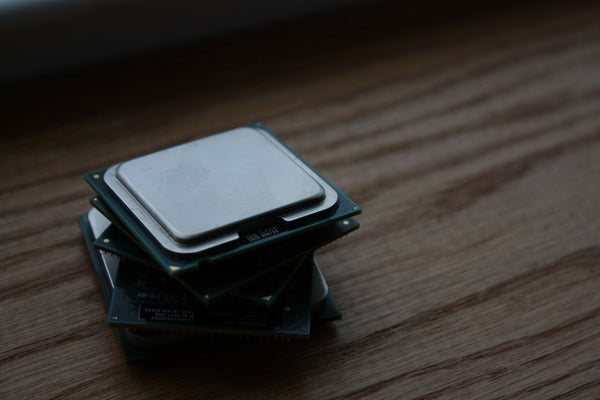
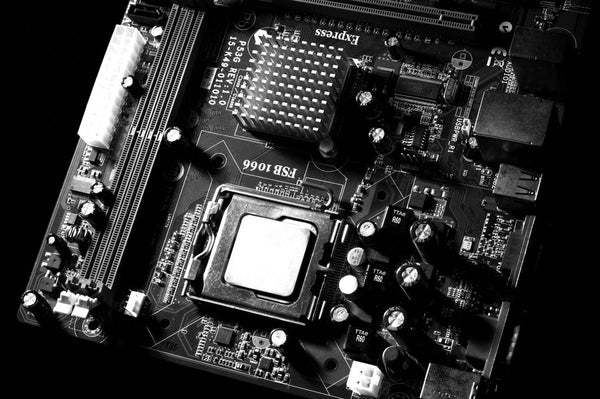
Let's get technical for a sec. AI processing hammers different parts of your system than gaming does. Most machine learning tasks are GPU-bound, sure, but they also need serious CPU cores for data preprocessing. That's why enterprise buyers aren't just grabbing graphics cards – they're building entire ecosystems.
For gaming? We're still in that sweet spot where a solid 6-core CPU handles everything. But here's where it gets interesting: if you're thinking about streaming, content creation, or even running local AI tools, these enterprise trends matter.
The RTX 4090 can handle both 4K gaming at 120fps AND run stable diffusion models. That's not a coincidence.
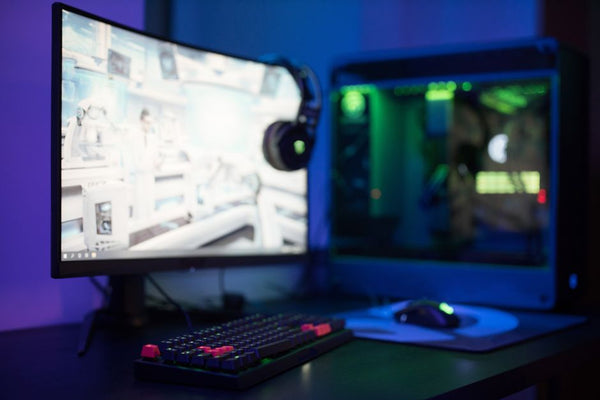
Personally, I think we're seeing the birth of hybrid use cases. Your gaming rig might also be your AI playground. Why not build something that crushes both Apex Legends and ChatGPT-style applications?
The Mid-Range Sweet Spot Nobody Talks About
Here's a hot take: while everyone obsesses over flagship cards, the real value is in RTX 4070 territory. These cards handle modern gaming without breaking the bank, and they've got enough compute power for casual AI experimentation.
You want to mess around with AI upscaling your old game screenshots? RTX 4070 handles it. Need solid 1440p performance in competitive shooters? Same card. The versatility is lowkey incredible.
Building Smart in an AI-Crazy Market
So what's the play here? Don't panic buy, but don't sleep on opportunities either. The market's weird right now, but that creates openings for smart builders.
First up: power supplies matter more than ever. AI workloads can spike power draw like crazy. If you're building anything RTX 4080 or higher, don't cheap out on the PSU. I've seen too many systems crash during AI tasks because someone thought a 650W bronze unit could handle everything.
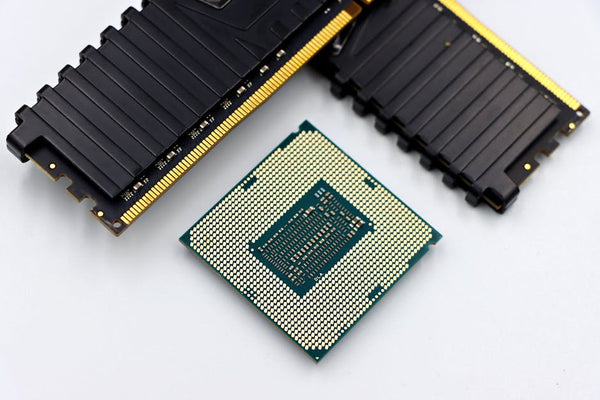
Memory's another sleeper hit. Gaming still runs fine on 16GB, but AI applications are RAM hungry beasts. If you're planning any machine learning experimentation, 32GB isn't overkill anymore – it's smart planning.
The Unexpected Winners
AMD's having a moment nobody saw coming. Their CPUs are crushing it in multi-threaded AI workloads, and their GPUs are suddenly competitive for certain tasks. The 7900 XTX isn't just a solid 4K gaming card – it's also capable of running open-source AI models that would choke Intel integrated graphics.
Intel's Arc cards? Still mid for gaming, but they're weirdly good at specific AI acceleration tasks. Not saying you should buy one, but the landscape's shifting fast.
Future-Proofing Your Gaming Rig
Look, nobody knows exactly where this AI train stops. Maybe it crashes and burns. Maybe it completely transforms computing. But right now, smart money says build for flexibility.
That means PCIe 4.0 support for future GPU upgrades. Means decent core counts even if you're primarily gaming. Means thinking beyond just FPS benchmarks when choosing components.
When companies like Standard Chartered are spending billions on automation, that money flows through the entire hardware ecosystem. Graphics card manufacturers adjust their product lines. CPU companies prioritize different features. Memory makers ramp up high-capacity modules.
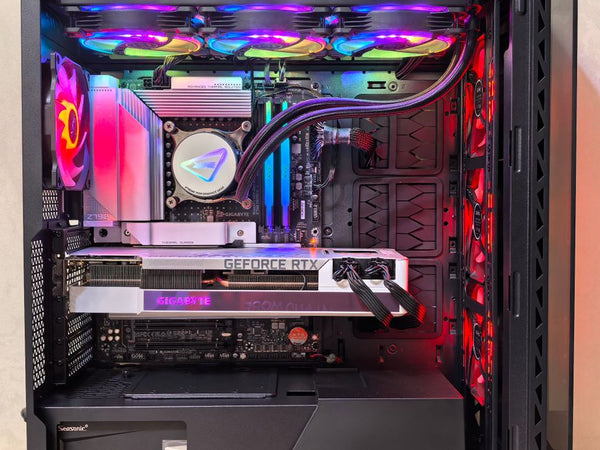
For us? It means the definition of a "gaming PC" is expanding. Your next build might handle VR gaming, AI image generation, and cryptocurrency mining equally well. That's not feature creep – that's evolution.
The Bottom Line for Builders
Should you care that some bank is firing 7,000 people to buy server farms? Probably not directly. But should you understand how enterprise AI spending affects your hardware choices? Absolutely.
The GPU review landscape is changing. CPU benchmarks need new test scenarios. Gaming performance matters, but it's not the only metric that counts anymore.
Whether you're building your custom gaming PC or upgrading an existing rig, think bigger than just frame rates. The hardware that runs your games today might be running your personal AI assistant tomorrow.
The companies cutting jobs today are funding the hardware innovations we'll be gaming on in five years. That's either terrifying or exciting, depending on your perspective. Me? I'm just here for the performance gains.














Leave a Comment