


Gaming PC Build Safety: What the Bambu Lab A1 Fire Drama Teaches Us About Electronics
Another day, another viral video of melted electronics making everyone lose their minds. This time it's the Bambu Lab A1 3D printer that's got Reddit in full detective mode after user Moreiras3D posted footage of their completely torched unit. We're talking side panel melted down to bare metal chassis, bro. But here's the thing — as someone who's built 50+ gaming PC builds and seen my share of thermal disasters, this whole situation screams "there's more to this story."
Now you might be wondering why a PC builder is talking about 3D printers. Simple. The same electrical safety principles that apply to your custom gaming PC apply to any high-powered electronics in your setup. Plus, half the people freaking out about printer fires probably have way sketchier power situations running their rigs.
The Melted A1 Video That Broke the Internet
The Instagram video shows what looks like absolute carnage. Melted plastic everywhere. Metal chassis exposed. The kind of damage that makes you go "holy shit, that could've burned my house down." And yeah, it's genuinely terrifying to see.
But here's where my BS detector starts going off. The video shows the aftermath, not the actual incident. No context about what led to this. No details about the electrical setup, ambient temperature, or whether this thing was running a 72-hour print marathon in a poorly ventilated closet.
Critics immediately jumped on the recall bandwagon, which honestly makes sense from a safety perspective. When electronics melt down like this, people get nervous. But Reddit's being Reddit — half the comments are calling for pitchforks while the other half are doing actual detective work trying to figure out what really happened.
Why Context Matters More Than Drama
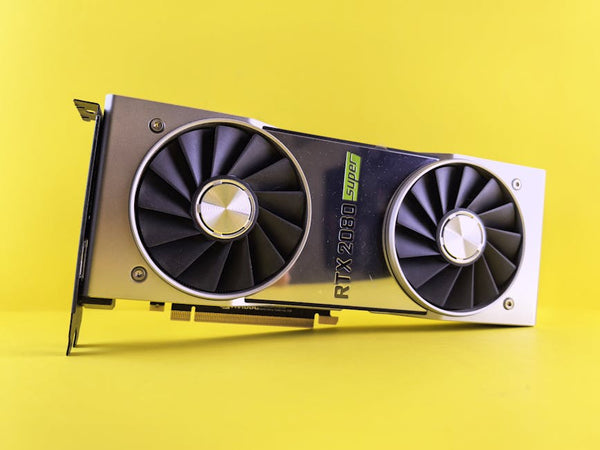
Look, I get it. Melted electronics are scary. Last month at our shop in Orange, TX, I had a customer bring in a "dead" graphics card that looked like it went through a microwave. Turned out they were running it on a sketchy 500W power supply that was pushing way more voltage than it should've been.
The A1 situation feels similar. These printers pull serious power — we're talking 350W peak draw according to Bambu's specs. That's roughly equivalent to a mid-range graphics card under full load. If you're running that kind of power through questionable wiring or a cheap power strip, things can go sideways fast.
Here's what bothers me: everyone's focusing on the dramatic melted plastic instead of asking the boring but important questions. What was the ambient temperature? Was it properly ventilated? What kind of electrical setup was it plugged into?
Gaming PC Build Lessons From 3D Printer Drama
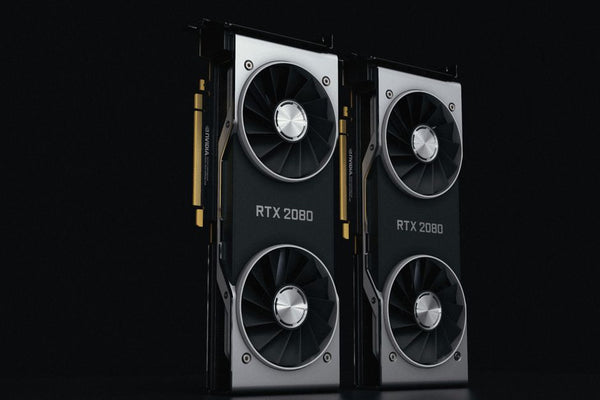
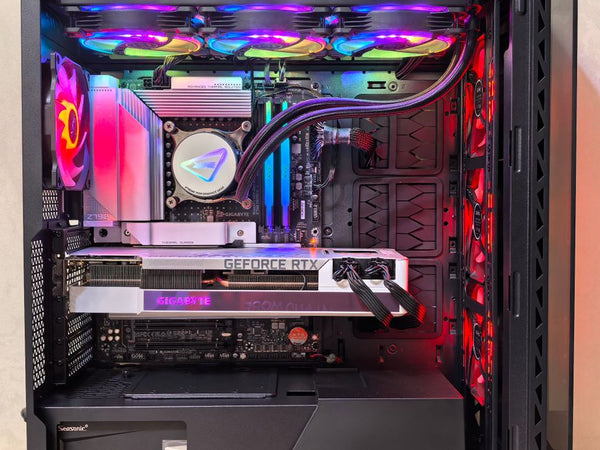
This whole mess actually teaches us some solid lessons about building safe gaming systems. Your RTX 4090 can pull 450W+ under load. Your CPU another 200W+. Add in fans, RGB, and everything else, and you're looking at serious power draw.
Hot take: Most people building gaming PCs pay way more attention to RGB placement than electrical safety. I've seen builds with $3000 worth of components plugged into a $15 power strip from Walmart. That's genuinely more concerning than one melted printer with unknown circumstances.
Power Supply Reality Check
Your power supply is literally the foundation of your entire build. Yet it's the component people cheap out on most often. "Why spend $150 on a PSU when I can get one for $50?" Because your house, that's why.
Quality 80+ Gold rated units from Corsair, EVGA, or Seasonic aren't just marketing BS. They have proper safety circuits, temperature monitoring, and won't turn your expensive hardware into expensive paperweights. The extra $100 you spend on a decent PSU could save you thousands in replaced components.
Personally, I think anyone building a high-end gaming rig should be looking at 850W minimum, even if their calculated draw is lower. Headroom matters. Your components will run cooler, your PSU will last longer, and you won't be pushing everything to the thermal limit.
Cooling and Ventilation Aren't Optional
The A1 incident highlights something we see constantly in PC builds — people underestimating heat. Your gaming PC generates serious thermal energy. Without proper airflow, temperatures climb fast.
I've seen too many builds where someone drops $500 on a CPU cooler but stuffs their rig in a closed cabinet with zero ventilation. That's like buying a Ferrari and filling it with regular gas. The expensive parts can't do their job properly.
Case airflow matters. Intake fans, exhaust fans, positive pressure — it's not just for keeping temperatures down, it's for keeping your stuff from literally melting. Which brings us back to that A1 video.
The Reddit Detective Work Actually Makes Sense
While everyone's arguing about recalls, the Reddit community is doing what they do best — obsessing over details and trying to reverse-engineer what actually happened. And honestly? They're asking better questions than most of the tech journalists covering this story.
Someone pointed out the specific melting pattern suggests heat buildup in a particular area rather than general overheating. Others noted that similar thermal failures usually happen gradually, not suddenly. These are the kinds of details that matter when you're trying to figure out if this is a design flaw or user error.
The truth is probably somewhere in the middle. Maybe the A1 has some thermal management issues. Maybe this particular unit was in a bad environment. Maybe both. But jumping straight to "recall everything" without understanding the root cause is just panic-driven thinking.
What This Means for Your Gaming Setup
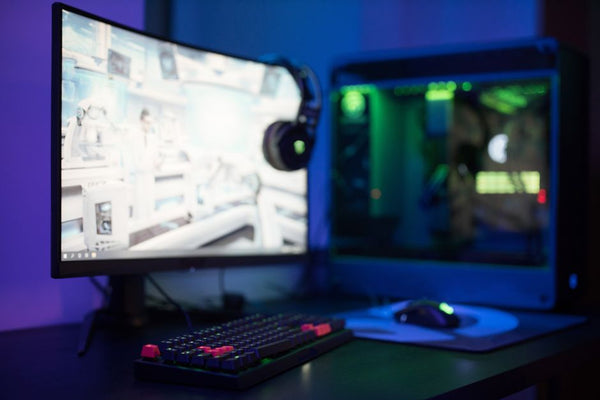
Whether you're planning your next gaming PC build or already running a high-end rig, the A1 situation is a solid reminder about electrical safety basics. Your setup probably draws way more power than you think, and heat management is crucial.
If you're looking to build your custom gaming PC with BitCrate, don't skimp on the fundamentals. Quality power supply, proper ventilation, and understanding your power draw aren't sexy specs to brag about, but they're what keep your expensive toys from becoming expensive scrap metal.
Consider your entire electrical situation too. That surge protector matters. The outlet you're using matters. The ambient temperature of your room matters. All boring stuff that nobody wants to think about until something melts.
The Bigger Picture Beyond Viral Videos
Here's my honest take on the whole situation: the A1 video is probably going to hurt Bambu Lab's reputation more than it should. One dramatic failure gets millions of views while thousands of successful prints get ignored. That's just how the internet works.
But manufacturers need to take this stuff seriously. When your product can pull hundreds of watts and generate serious heat, thermal management isn't optional. Users also need to understand they're dealing with powerful electronics, not toys.
The gaming PC world has mostly figured this out through years of trial and error (and some spectacular failures). Remember when early AMD CPUs would literally catch fire without proper cooling? We learned from that. The 3D printing community is going through similar growing pains.
What bugs me most is the polarized response. Either the A1 is completely unsafe and needs immediate recall, or it's perfect and the user screwed up. Reality is messier than that. Electronics fail sometimes. Design flaws exist. User error happens. Usually it's a combination of factors.
The smart move is learning from incidents like this rather than just picking sides and arguing. Whether you're building PCs, running 3D printers, or just trying to keep your electronics from becoming viral disaster videos, the principles are the same: respect the power draw, manage the heat, and don't cheap out on safety.
Ngl, I'd rather see manufacturers over-engineer thermal safety than deal with more melted hardware videos. But until that happens, it's on us to be smarter about our setups and not ignore the boring stuff that keeps our gear running safely.











Leave a Comment