


Gaming Hardware Security Crisis: Why Your GPU Review Should Include Malware Checks
Ever had that moment when you're about to drop $800 on a new RTX 4070, but then you remember that time your buddy's entire system got compromised because he downloaded some sketchy "performance optimization" tool? Well, buckle up, because the latest security nightmare makes that look like child's play.
The Mistral AI and TanStack package compromises aren't just another tech headline you can scroll past. They're a wake-up call that should change how every gamer approaches their hardware purchases and system security. When I first heard about the "Mini Shai-Hulud" campaign spreading through npm and AI developer ecosystems, my immediate thought was: how many gaming rigs are sitting ducks right now?
What Actually Happened (And Why Gamers Should Care)
Microsoft dropped some serious news recently. Attackers managed to compromise the mistralai PyPI package with malware that executed the moment you imported it. No clicking required. No warning dialogs. Just instant infection.
But here's where it gets spicy for us gaming folks. This wasn't some isolated incident targeting enterprise developers. The researchers are linking this to a broader supply-chain campaign that's hitting TanStack and Mistral SDKs across the npm ecosystem. Know what that means? If you're running any development tools, AI applications, or even some of those fancy RGB control programs that pull from these repositories, you could be toast.
Honestly, when I think about all the times customers at our shop here in Orange, TX have asked me about "optimizing their gaming experience" with third-party tools, it makes my skin crawl. How many of those seemingly innocent downloads are actually malware delivery systems waiting to happen?
The GitHub Credential Nightmare
The attackers weren't messing around. They specifically targeted GitHub credentials, cloud access tokens, and CI/CD pipeline keys. Translation for non-developers: they wanted the keys to the kingdom.
Picture this scenario. You're a streamer who also dabbles in game modding. You've got your GitHub repos, maybe some cloud storage for your stream highlights, and definitely some automation tools for your content workflow. One compromised package, and suddenly someone else has access to everything. Your game saves, your personal projects, maybe even your financial information if you're storing API keys for donation platforms.
The really twisted part? This malware was smart enough to steal credentials without triggering most traditional antivirus solutions. It's like having a pickpocket who's invisible to security cameras.
Gaming Performance vs Security: The False Choice
Here's where I get fired up. Too many gamers treat security like it's the enemy of performance. "Oh, I'll just disable Windows Defender during my gaming session." "Real-time scanning slows down my SSD benchmarks." "Firewalls add latency to my competitive matches."
Bull. Complete bull.
You know what really kills gaming performance? Having your system compromised by malware that's constantly phoning home with your data. I've seen RTX 4090 systems crawl because they're running cryptocurrency miners in the background. I've watched high-end Intel i7 builds become unusable because malware was using their processing power for botnet operations.
Hot take: If your security setup is noticeably impacting your gaming performance in 2024, you're doing security wrong, not gaming wrong.
Modern security solutions are designed to work alongside gaming workloads. Windows Defender, when properly configured, adds maybe 1-2% overhead to most gaming scenarios. That's less impact than having Chrome open with ten tabs while you're trying to play Cyberpunk 2077.
The Developer Tool Trap
But wait, you're thinking, I'm just a gamer, not a developer. Why should I care about npm packages and PyPI repositories?
Because modern gaming isn't just about launching Steam anymore. You're probably using Discord (which runs on Electron and pulls from npm). Your RGB software? Likely built with web technologies. That game launcher optimization tool you downloaded? Could be pulling dependencies from the same compromised repositories.
Even something as simple as building your custom gaming PC with BitCrate involves downloading and running software from multiple sources. Each one is a potential attack vector if you're not careful.
Building a Secure Gaming Setup (Without Killing Performance)
Alright, enough doom and gloom. Let's talk solutions. How do you protect yourself without turning your gaming rig into Fort Knox?
First, let's address the elephant in the room: your download habits. Where are you getting your software? If the answer includes "random GitHub repos," "that forum post from 2019," or "my friend sent me a link," we need to have a serious conversation.
The Source Verification Game
Start treating software sources like you treat GPU reviews. You wouldn't buy a graphics card based on a single anonymous review, right? Same principle applies here.
Official sources first, always. Steam, Epic Games Store, Microsoft Store for gaming applications. For development tools, stick to the official repositories and verified publishers. Yeah, it's more restrictive, but so is losing access to your Steam account because malware stole your session tokens.
Second layer: checksums and digital signatures. Most legitimate software publishers provide ways to verify their downloads. It takes thirty seconds to check a SHA-256 hash. Thirty seconds versus potentially months of recovery from a compromised system? Easy choice.
The Hardware Security Connection
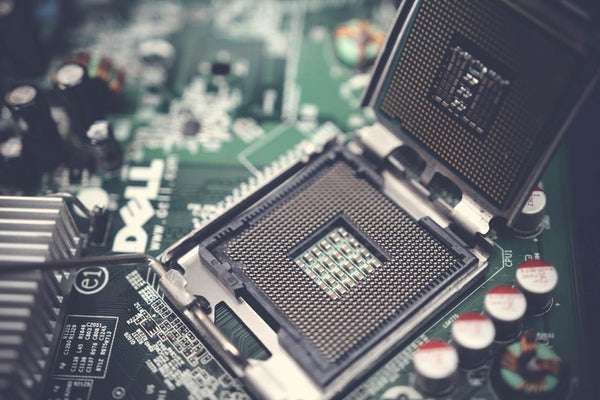
Here's something interesting that doesn't get talked about enough: your hardware choices can actually impact your security posture. TPM 2.0 chips, for instance, provide hardware-level security that makes certain types of attacks much harder.
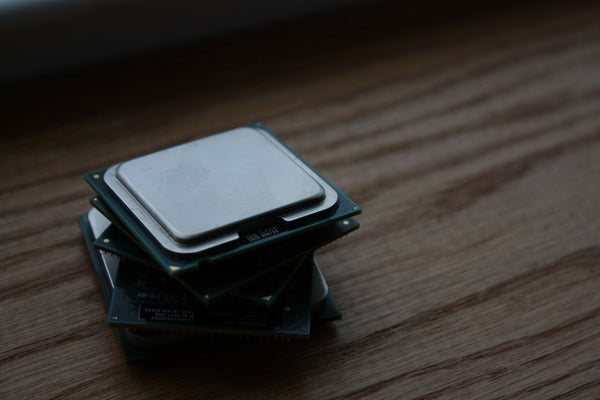
When I'm doing CPU benchmarks for customers, I always mention the security features. Intel's CET (Control-flow Enforcement Technology) and AMD's similar implementations aren't just marketing buzzwords. They're real protections against memory corruption attacks.
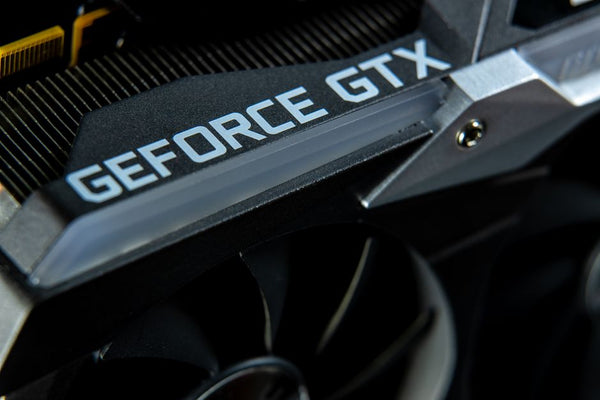
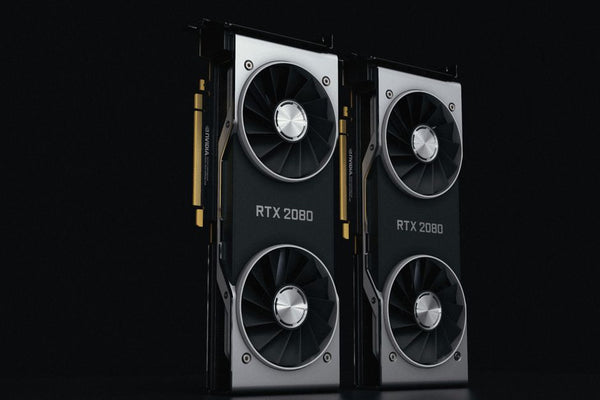
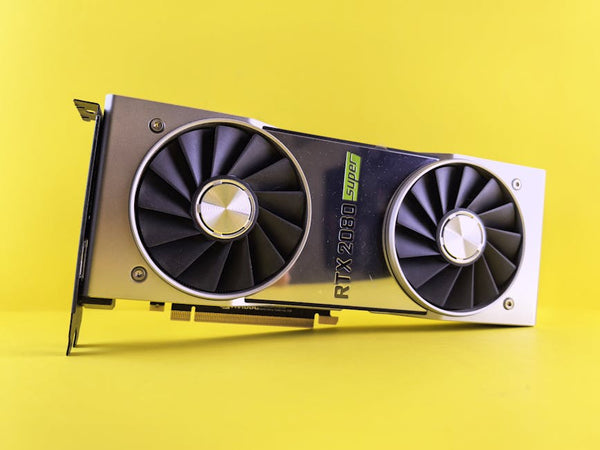
The same goes for GPU security features. Modern graphics cards have their own firmware that can be compromised, but they also have protections against malicious code injection. It's something to consider when you're comparing that RTX 4070 Ti against the RX 7800 XT.
The AI Development Angle (Yes, It Affects Gamers)
Now, about that Mistral AI connection. Even if you're not running chatbots or training neural networks, AI is creeping into gaming everywhere. DLSS, FSR, game AI companions, even voice chat noise cancellation.
Many of these features rely on packages and dependencies that could be compromised in supply-chain attacks. That performance boost you're getting from AI upscaling? It comes with a dependency chain that includes the exact types of packages targeted in this campaign.
The question isn't whether AI will affect your gaming setup. It already has. The question is whether you're protecting yourself against AI-related attack vectors.
Practical Steps That Actually Work
Look, I get it. Security advice often sounds like "just unplug everything and live in a cave." That's not helpful when you're trying to squeeze every frame out of your 4K gaming setup.
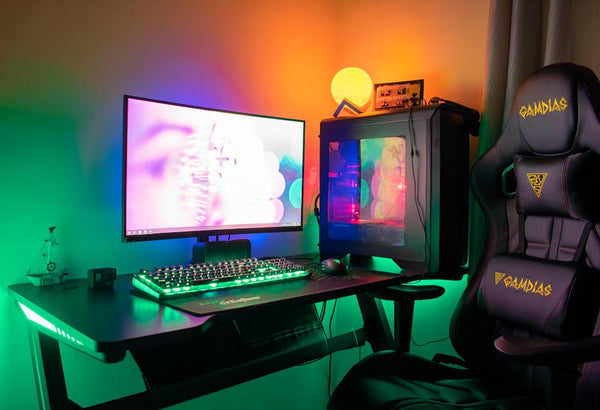
So here's what actually works in the real world. Use a dedicated gaming environment that's separated from your development or work activities. If you're doing any coding or AI experimentation, do it in a virtual machine or separate user account.
Keep your gaming software stack minimal and audited. Do you really need seventeen different RGB control programs? That system monitoring tool that hasn't been updated since 2021? The "FPS booster" that promises 30% performance gains?
Personally, I think the best defense is understanding your attack surface. Every piece of software you install expands the ways someone can compromise your system. Make each installation count.
The Supply Chain Reality Check
The Mini Shai-Hulud campaign isn't an anomaly. It's the new normal. Supply-chain attacks are becoming the preferred method for sophisticated attackers because they're incredibly effective.
Think about it from the attacker's perspective. Why try to compromise individual systems when you can compromise a single package that gets installed on thousands of machines automatically? It's like the difference between picking locks one at a time versus getting a master key.
This means our old mental model of security is broken. We can't just think about protecting against "bad downloads" anymore. We have to think about protecting against compromised good downloads.
The packages that got hit in this campaign? They were legitimate, widely-used tools that developers trusted. The compromise happened at the source level, making it nearly invisible to end users.
Gaming Industry Response
The gaming industry's response to supply-chain security has been... mixed. Some companies are taking it seriously, implementing code signing, automated vulnerability scanning, and strict dependency management. Others are still treating security like an afterthought.
When you're choosing gaming platforms and software, this stuff matters. Companies that invest in security infrastructure are less likely to distribute compromised software to your system. It's another factor to consider alongside performance benchmarks and feature sets.
The sad truth is that most gamers won't know they've been compromised until it's too late. Your system might be mining crypto or participating in DDoS attacks while you're getting perfectly acceptable frame rates in your favorite games.
Looking Forward: Security-First Gaming
Where does this leave us as a community? I think we're at a turning point where security can't be an optional consideration anymore.
The next generation of gaming hardware needs to build security in from the ground up. We need graphics drivers that can verify their own integrity. Gaming platforms that automatically scan downloads for known malware signatures. Hardware that can detect and isolate compromised processes without impacting legitimate gaming workloads.
But we can't wait for the industry to save us. Right now, today, we need to start treating security as part of the gaming experience. Not something that gets in the way of performance, but something that protects the performance we've worked so hard to achieve.
The Mini Shai-Hulud campaign is spreading like wildfire because it's exploiting our trust in the development ecosystem. The only way to fight back is to verify that trust every step of the way, from hardware selection to software installation.
Your gaming rig is too valuable to leave unprotected. Your personal data is too important to risk on unverified downloads. The question isn't whether you can afford to implement better security practices. It's whether you can afford not to.











Leave a Comment