


Wordle Hits Primetime: NBC's 2027 Game Show Proves Tech News Doesn't Stay Digital
Holy moly. Wordle is getting the full NBC treatment, complete with Savannah Guthrie as host and a 2027 debut date that feels both forever away and weirdly perfect timing. This isn't just another mobile game getting a quick cash-grab adaptation—this is The New York Times' biggest gaming technology success story making the jump to network television with Jimmy Fallon's production company backing it.
Think about it like this: Wordle is basically the Pokemon card of word games right now. Everyone knows it, everyone's played it, and it's got that perfect blend of accessibility and addiction that makes for killer TV. NBC isn't taking any chances here either—Universal Television Alternative Studio is handling production, which means actual budget and actual production value.
Why Gaming Technology Crossovers Actually Make Sense Now
Look, I've seen this pattern before in TCG land. When a card becomes meta-defining, suddenly everyone wants their own version. Same thing's happening with digital games crossing into traditional media. The tech news cycle has been wild lately with mobile games getting movie deals, streamers landing TV shows, and now puzzle games becoming primetime entertainment.
Wordle hit different though. No microtransactions. No gacha mechanics. Just pure, unfiltered brain candy that grandparents and Gen Z could both obsess over equally. That's the kind of universal appeal that makes network executives see dollar signs—and honestly, they're not wrong.
Personally, I think this move is genius timing. By 2027, we'll probably be dealing with even more screen fatigue than we are now. A game show format lets people engage with Wordle without staring at their phones, which feels refreshingly retro in a good way.
The Technical Challenge Nobody's Talking About
Here's where it gets interesting from a tech perspective. How do you translate a game that's fundamentally about typing into a television format? The original Wordle's charm comes from that satisfying keyboard interaction—the click, the immediate feedback, the way your brain processes letter patterns.
I was talking to a customer at our shop here in Orange, TX about this exact thing while we were configuring his new build. He's a huge Wordle fan, plays it religiously every morning with his coffee. His take? "The show better not mess with the core mechanics, or it'll be just another generic word game."
He's got a point. The show format needs to capture that "aha!" moment when you nail the word in three tries. That rush when you eliminate half the alphabet with one clever guess. You can't fake that dopamine hit with flashy graphics and dramatic music.
From Browser Game to Broadcast Gold
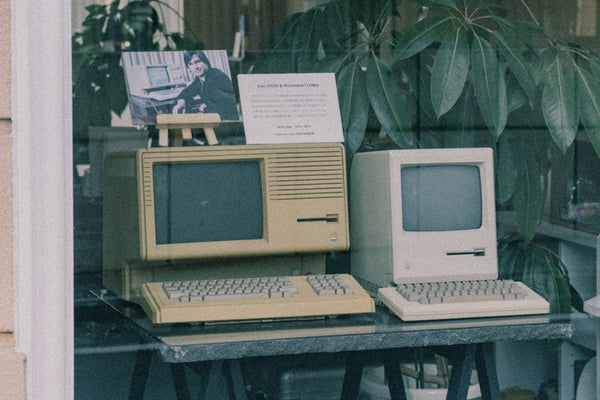
What's really fascinating is how this mirrors the evolution of gaming hardware. Remember when PC gaming was this niche hobby that required serious technical knowledge? Now you can build your custom gaming PC with BitCrate and have it running AAA titles out of the box. Gaming went mainstream, and now mobile puzzle games are doing the same thing with traditional entertainment.
The numbers back this up too. Wordle peaked at around 3 million daily players before The New York Times bought it. That's not Fortnite numbers, but it's consistent engagement. TV networks dream of that kind of daily audience retention.
NBC's betting that Savannah Guthrie can bring that same morning show warmth that made Wordle feel like part of people's daily routines. Smart choice, honestly. She's got that approachable energy that won't intimidate casual players while still being sharp enough to handle the competitive aspects.
The Production Challenge
Jimmy Fallon's involvement makes perfect sense when you think about it. The guy built his Tonight Show career on interactive games and viral moments. He understands how to take simple concepts and make them television gold without overcomplicating things.
But here's my hot take: the show's success won't come from fancy production values or celebrity guests. It'll come from whether they can recreate that quiet satisfaction of solving the puzzle. Wordle isn't about spectacle—it's about that moment when the letters click into place and you feel like a word wizard.
The challenge is scaling that intimate experience to a studio audience. Do you have contestants? Multiple players competing? Teams? The format details will make or break this thing.
What This Means for Gaming's Future
This isn't just about one game show. It's a signal that traditional media is finally taking mobile gaming seriously as source material. We're probably going to see more puzzle games, more indie darlings, more "simple but addictive" concepts getting the Hollywood treatment.
Honestly, I'm here for it. The gaming industry has been due for this kind of mainstream recognition for years. When mobile games start getting primetime slots, that's validation that gaming technology isn't just for "gamers" anymore—it's for everyone.
Will it work? That's the million-dollar question. Game show adaptations are notoriously hit-or-miss. For every successful format, there are dozens of forgotten flops gathering dust in network archives.
But Wordle has something most games don't: it's already proven it can hook people across every demographic imaginable. If NBC can bottle that lightning and pour it into a weekly format, they might have something special. If not, well, at least we'll still have the original browser version to fall back on.
Either way, 2027 suddenly feels a lot more interesting. Who knows? Maybe by then we'll be getting game shows based on Vampire Survivors or Among Us. The future of entertainment might be more digital than we ever imagined.




Leave a Comment