


The Future of Local TV News Has Taken a Trumpian Turn: Tech News That'll Change Your Media Setup
Local TV news is getting weird, and honestly? The tech behind it is even weirder. We're watching a complete transformation of how news gets delivered to your living room, and it's not just about politics anymore—it's about the hardware and streaming tech that's reshaping everything.
Last week, while helping a customer at our Orange, TX shop configure their streaming setup, they asked me something that hit different: "Why does my local news app lag more than Valorant on a potato PC?" That question sent me down a rabbit hole about how gaming technology is actually becoming the backbone of modern news delivery.
The Hardware Revolution Behind News Broadcasting
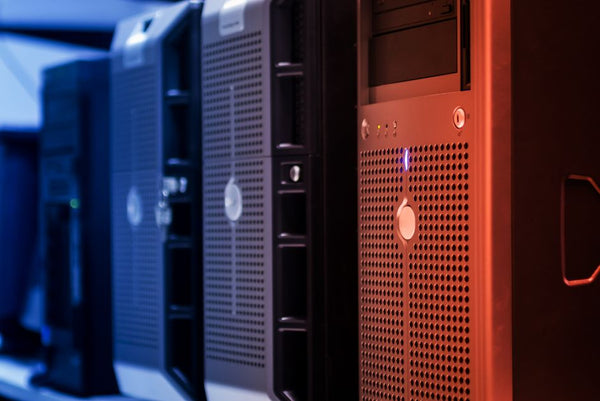
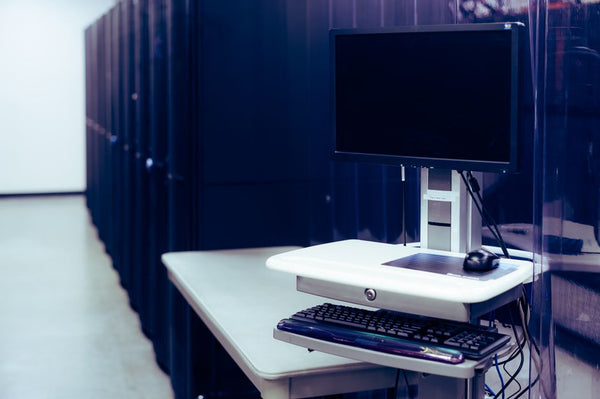
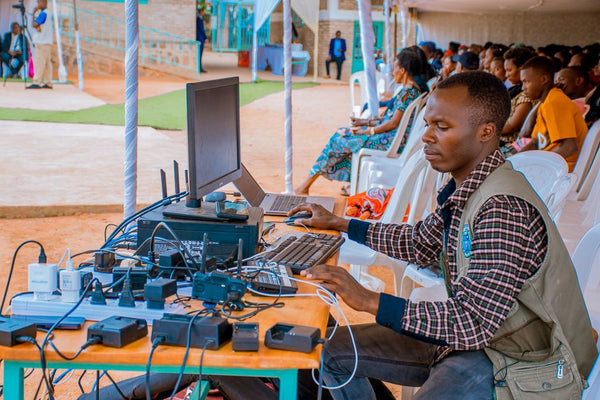
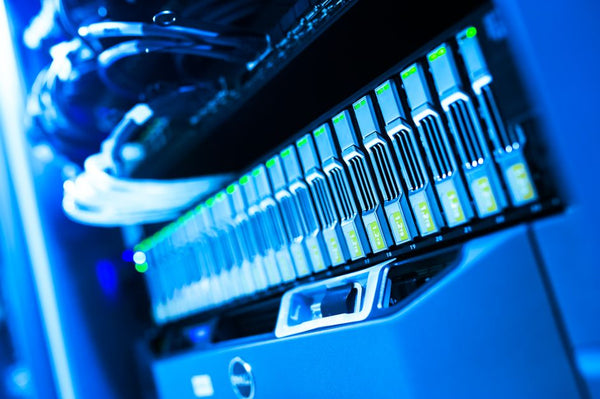
Real talk? Local news stations are scrambling to upgrade their entire infrastructure. Gone are the days of ancient broadcast equipment running on decade-old hardware. These stations need systems that can handle 4K streaming, real-time graphics rendering, and multi-platform distribution simultaneously.
Think about it this way. Modern news production requires the same kind of processing power we demand for high-refresh gaming. You need GPUs that can render graphics overlays in real-time, CPUs that won't choke when handling multiple video feeds, and storage solutions fast enough to manage live content without stuttering.
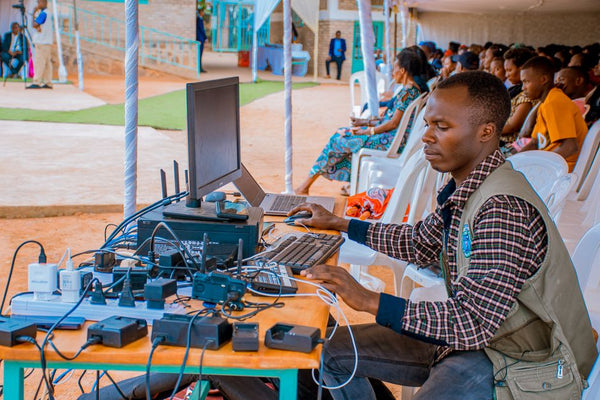
The parallels are insane. A newsroom workstation today needs specs that would make a decent gaming rig jealous:
- RTX 4070 or better for real-time graphics rendering
- 32GB RAM minimum for handling multiple video streams
- NVMe SSDs for instant access to video files and graphics assets
- Low-latency networking that rivals what we demand for competitive gaming
Why Latency Matters More Than Ever
Here's where it gets spicy. Local news isn't just competing with cable anymore—they're fighting TikTok, YouTube, and every other platform where people get their information instantly. Viewers expect zero-lag streaming. They want news delivered faster than your average Twitch stream loads.
Personally, I think this is where a lot of local stations are completely fumbling the bag. They're still thinking like traditional broadcasters when they should be thinking like esports tournament organizers. You need infrastructure that can push content out across multiple platforms with sub-100ms latency.
The average local news station's streaming setup has higher latency than most gamers would tolerate for a casual match of CS2.
Streaming Infrastructure That Actually Works
The stations that are winning this transformation? They're basically running gaming technology at scale. I'm talking about hardware configurations that would make any enthusiast jealous.
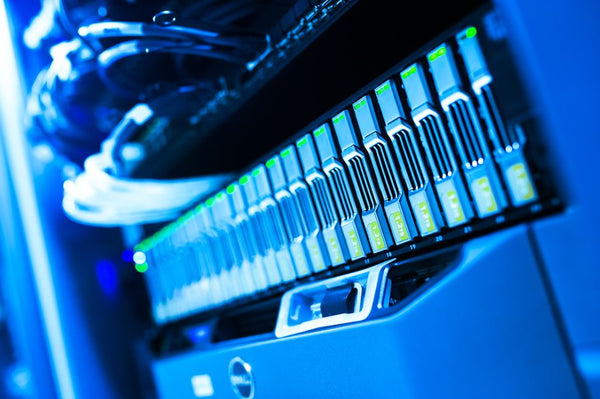
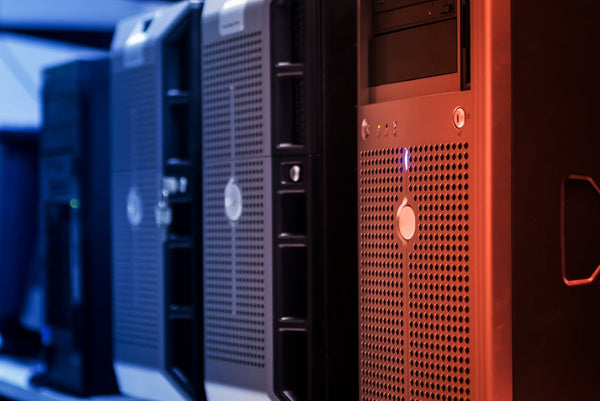
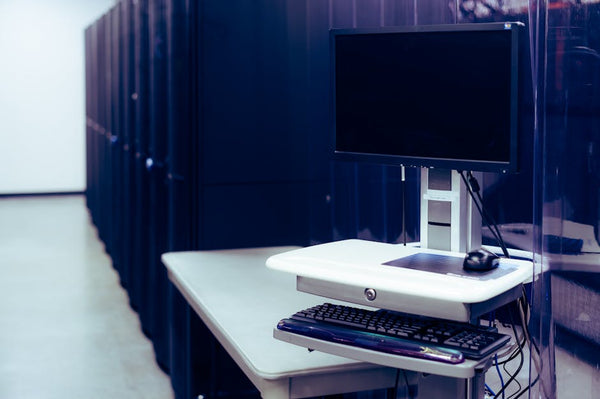
Modern broadcast centers are deploying server farms with specs that rival AWS gaming instances. They need the processing power to handle simultaneous streaming to Facebook Live, YouTube, their website, mobile apps, and traditional broadcast—all while maintaining broadcast-quality video.
But here's the thing that's lowkey brilliant. Some stations are straight-up using gaming hardware as the foundation for their broadcast systems. Custom-built PCs with high-end GPUs handling graphics rendering. Gaming-grade network switches managing the data flow. Even some streaming software originally designed for Twitch streamers.
The Custom Build Advantage
This is where building custom systems becomes crucial. News stations can't rely on pre-built solutions anymore. They need hardware tailored to their specific workflow, just like how competitive gamers need builds optimized for their main games.
A news station's streaming rig needs different optimization than a typical gaming build. More emphasis on encoding performance and multi-stream capability. Less focus on raw FPS, more on sustained performance under heavy workloads.
The Political Tech Arms Race
Now here's where things get really interesting. The political landscape is driving massive investment in broadcast technology. Local stations are upgrading their entire tech stack to stay relevant in an era where political content drives engagement.
Hot take: This is creating a weird tech boom that's actually benefiting the entire ecosystem. When news stations invest in better hardware, it drives demand for components that eventually trickle down to consumer pricing. The same GPUs powering real-time election graphics today become more affordable for gamers tomorrow.
The competition is fierce. Stations are deploying AI-powered graphics systems, real-time fact-checking overlays, and interactive elements that require serious computational power. It's like watching the hardware requirements for AAA games evolve, but for news broadcasting.
Gaming Tech Meets Journalism
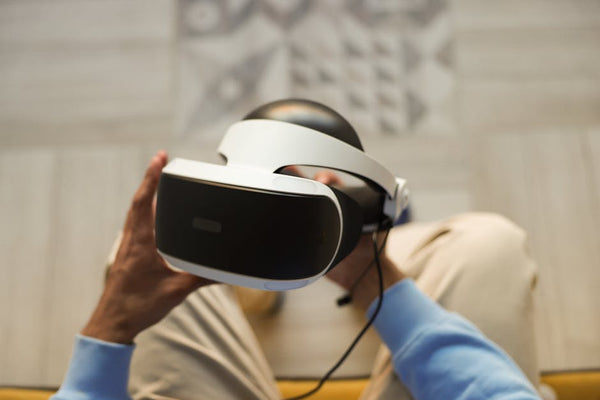
Some of the coolest innovations are coming from crossover between gaming and news tech. Real-time ray tracing for studio lighting effects. AI upscaling for archival footage. Even VR setups for immersive news experiences.
But honestly? A lot of stations are still running on hardware that would struggle with Minecraft at 60fps. The gap between the tech-forward stations and the laggards is becoming massive.
What This Means for Your Home Setup
Here's the practical stuff that actually affects you. As local news embraces streaming-first distribution, your home network becomes way more important than your actual TV.
Your internet connection matters more than cable quality now. That 4K news stream needs consistent bandwidth, and if you're gaming while someone else is watching the evening news, you better have the network infrastructure to handle both.
Smart TVs are becoming the primary delivery method for local news, which means the apps on these devices need to perform like gaming platforms. Laggy interfaces and slow loading times will kill engagement faster than a bad K/D ratio kills your confidence.
The Streaming Quality Wars
Competition between local stations now includes technical quality metrics that gamers understand intuitively. Frame rate consistency. Color accuracy. Input lag from clicking a story to it actually loading.
Some forward-thinking stations are even offering 120fps streams for breaking news coverage. It's overkill for most content, but when things are happening fast, that smooth motion makes a real difference in viewer engagement.
Future-Proofing the News Experience
The trajectory is clear. Local news is becoming a tech-first industry whether they like it or not. Stations that don't invest in proper infrastructure won't survive the next five years.
We're looking at a future where news consumption happens primarily through apps and streaming platforms. Traditional broadcast will exist, but it'll be secondary to digital-first delivery.
This shift is creating opportunities for tech companies that understand both broadcast requirements and gaming performance. The skills needed to optimize a streaming setup for competitive gaming translate directly to optimizing news delivery systems.
Tbh, I'm excited to see where this goes. The intersection of politics, news, and gaming technology is creating some genuinely innovative solutions. Whether it's AI-powered graphics rendering or real-time audience interaction systems, the tech behind local news is getting legitimately impressive.
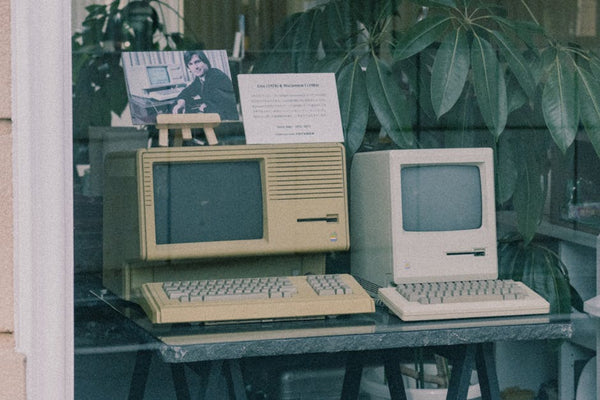
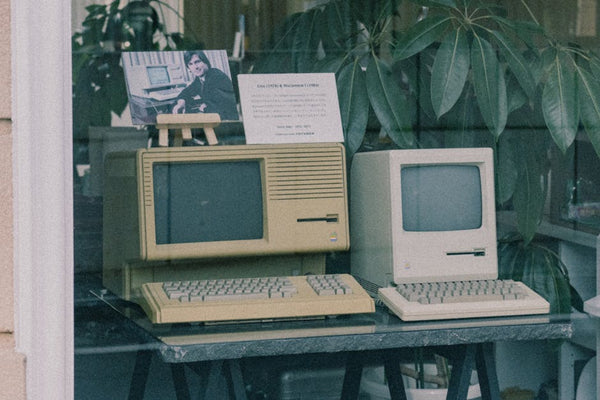
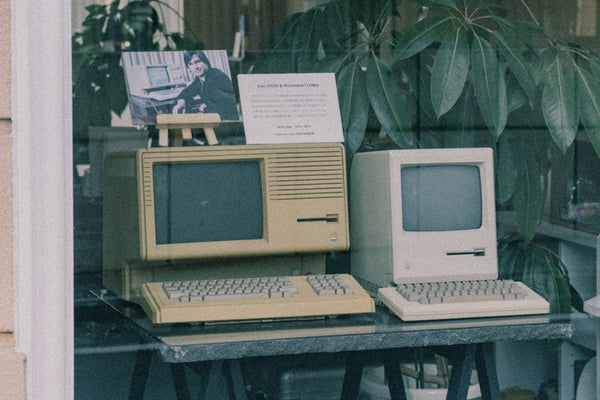
The stations that figure out how to combine broadcast professionalism with gaming-level technical performance will dominate their markets. Those that don't? They'll be about as relevant as CRT monitors in a modern gaming setup.































Leave a Comment