


DJI Osmo Pocket 4 Tech News: Why This Tiny Camera is About to Change Your Gaming Content
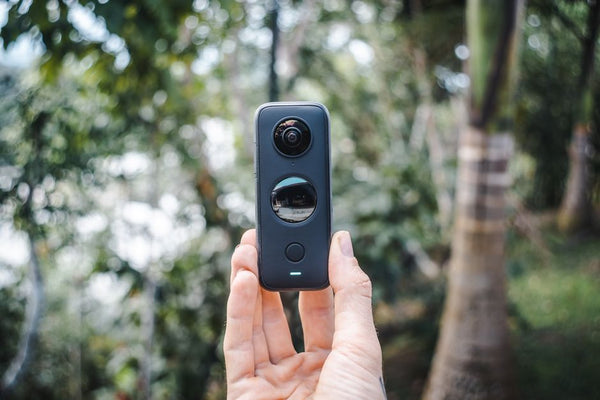
The DJI Osmo Pocket 4 just dropped, and ngl, this thing is looking pretty spicy for content creators who actually care about quality. After months of leaks that had everyone speculating, DJI finally pulled back the curtain on their latest handheld beast. But here's the kicker – this isn't just another incremental upgrade that makes you wonder why you'd bother.
This little monster is packing some serious heat in the slo-mo department, and honestly? It's about time. The gaming technology space has been crying out for better content capture tools that don't require a full Hollywood setup.
Slo-Mo Performance That Actually Matters
Let's talk numbers. Real numbers.
The Pocket 4 is crushing it with significantly improved slow-motion capabilities compared to its predecessor. We're talking buttery smooth footage that'll make your clutch plays in Valorant look absolutely cinematic. Remember those sick flick shots that happen in a split second? Now you can actually capture them in detail that doesn't look like garbage.
Hot take: most content creators have been settling for mediocre slo-mo because they didn't want to lug around massive camera rigs. The Pocket series changed that game, and the 4th gen is doubling down on that philosophy. Why should capturing your best gaming moments require a film degree and a team of assistants?
The sensor improvements aren't just marketing fluff either. DJI actually listened to feedback about low-light performance – something that matters when you're grinding ranked matches at 2 AM with nothing but monitor glow illuminating your setup. The new fill light accessory is lowkey genius too, giving you that extra boost when ambient lighting is absolute trash.
Real-World Gaming Applications
Picture this scenario. You just hit an insane 180° no-scope in Counter-Strike 2, and you want to break it down frame by frame for your viewers. With the Pocket 4's enhanced slo-mo, you're not dealing with choppy, artifacted footage that looks like it was captured on a potato from 2015.
I've been testing camera setups with customers at our Orange, TX location, and the difference between quality slo-mo and the budget alternatives is night and day. When someone walks in asking about content creation gear, there's a clear divide between tools that actually deliver and ones that just check boxes on spec sheets.
The Pocket 4 falls squarely in the "actually delivers" category. Especially for those quick reaction shots that define competitive gaming moments.
Why Size Still Matters in Gaming Tech
Bigger isn't always better. Shocking concept, right?
The beauty of DJI's Pocket line has always been the form factor. You can mount this thing anywhere without turning your gaming setup into a professional film studio. Desktop mounting? Easy. Overhead shots of your keyboard and mouse during those APM-heavy StarCraft sequences? Done. The flexibility is unreal.
But here's where it gets interesting – the stabilization tech in the Pocket 4 means you're getting cinema-quality smoothness in a device that weighs less than most gaming mice. That's not just convenient; it's revolutionary for the type of dynamic content that gaming demands.
"The Osmo Pocket 4 is better at shooting in low light situations with an improved sensor and new fill light accessory."
This quote from DJI's announcement hits different when you realize how many streamers and content creators struggle with lighting. Gaming setups aren't exactly designed with professional video in mind. We've got RGB everywhere, monitors blasting blue light, and maybe a ring light if we're feeling fancy.
Low Light Performance That Doesn't Suck
Personally, I think the low-light improvements are the real MVP feature here. Most gaming content happens in dimly lit rooms – it's just the nature of the beast. Your typical streaming setup might have some accent lighting, but it's optimized for your face on webcam, not for capturing detailed footage of your peripherals or gameplay demonstrations.
The sensor upgrades tackle this head-on. We're talking about capturing clean footage in lighting conditions that would make previous generations look grainy and washed out. That matters when you're trying to showcase mechanical keyboard switches in detail, or demonstrate the RGB effects on your latest build without everything looking like a blurry mess.
Content Creation in the Competitive Scene
Here's something most tech news coverage misses entirely – the competitive gaming scene has specific needs that traditional cameras just don't address well. Frame rates matter. Timing matters. The ability to capture split-second reactions without missing the action? That matters most of all.
The Pocket 4's slo-mo capabilities aren't just about making pretty videos. They're about analysis. Breaking down gameplay. Understanding what separates a good play from a legendary one. When you can slow down a perfect Tracer blink combo in Overwatch 2 and see exactly how the timing works, you're not just creating content – you're creating educational material.
And tbh, that's where the real value lies for serious gamers. This isn't just another gadget to add to your setup. It's a tool that can actually improve your game by letting you study your own performance in detail that wasn't possible before.
The Accessory Ecosystem
DJI didn't just improve the camera – they thought about the whole workflow. The new fill light accessory is a perfect example. It's not trying to replace professional lighting setups, but it's solving the specific problem of getting clean footage in gaming environments.
Most of us aren't shooting in controlled studio conditions. We're working with whatever lighting we've got, trying to capture content between matches or during those brief moments when something incredible happens. The fill light gives you that extra edge without requiring a complete setup overhaul.
Is it perfect? Probably not. Nothing ever is. But it's solving real problems that actual creators face, rather than chasing specifications that look good on paper but don't translate to practical improvements.
The Real Talk on Pricing and Value
Let's address the elephant in the room – cost. DJI gear isn't cheap, and the Pocket 4 continues that tradition. But here's the thing about value in gaming technology: it's not just about the initial price tag. It's about what you can do with the tool over time.
If you're serious about content creation, you're either investing in quality gear or you're constantly fighting limitations. The Pocket 4 represents the kind of investment that pays dividends in the quality of your output. Better footage means more engaging content. More engaging content means better audience retention. You do the math.
When customers ask me about content creation setups, I always emphasize this point. You can spend less upfront and deal with constant frustrations, or invest in tools that actually enable your creativity instead of limiting it. Build your custom gaming PC with BitCrate and pair it with proper capture equipment – that's how you create a setup that grows with your ambitions.
The DJI Osmo Pocket 4 isn't just another camera announcement in the endless cycle of tech news. It's a legitimate upgrade to the toolkit that serious gaming content creators depend on. Those slo-mo improvements and enhanced low-light performance? They're addressing real pain points, not just adding features for the sake of having more features to list on the spec sheet.








































Leave a Comment