


Chatbots at the Drive-Thru Are Just the Beginning: Tech News You Need to Know
So McDonald's started testing AI voice ordering systems back in 2021, and now we're seeing these chatbots pop up everywhere from Wendy's to White Castle. Honestly? This feels like watching MTG cards transition from paper to Arena — the writing was on the wall, but the speed caught everyone off guard.
The fast food industry isn't just dabbing in AI anymore. They're going all-in. Think of it like upgrading from a budget GPU to a flagship RTX 4090 — once you make that leap, there's no going back to integrated graphics.
Why Drive-Thru AI Actually Makes Perfect Sense
Here's the thing about gaming technology and business applications — they're more connected than most people realize. Remember when voice chat in games was absolute garbage? Now look at Discord's crystal-clear quality. That same evolution is happening in customer service.
Drive-thru orders are basically speedruns. Customers want their order taken fast, accurately, and without the awkward small talk. AI doesn't have bad days. It doesn't mishear "no pickles" as "extra pickles" because it's tired from pulling a double shift.
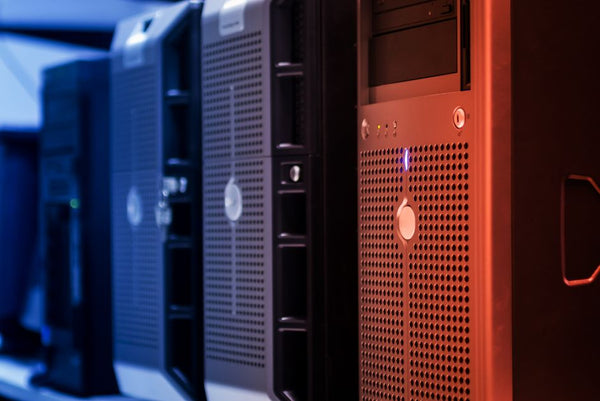
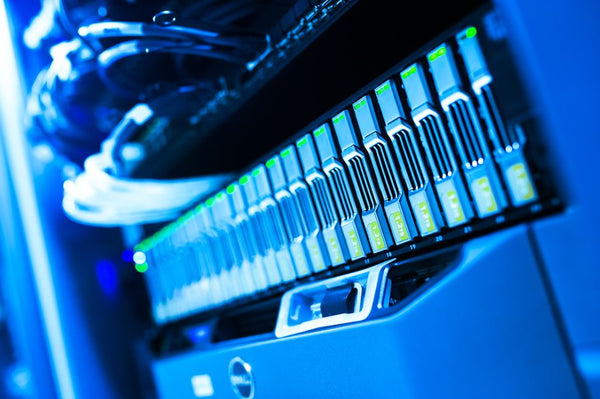
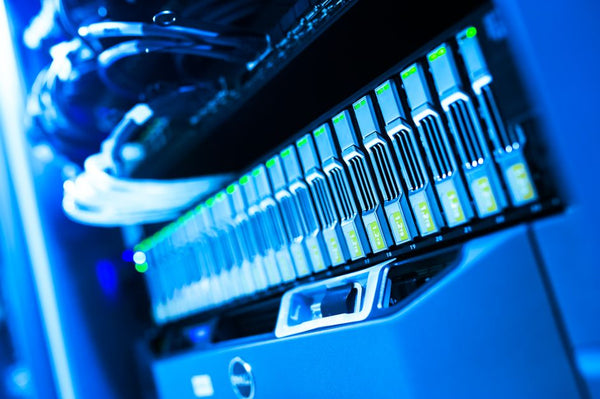
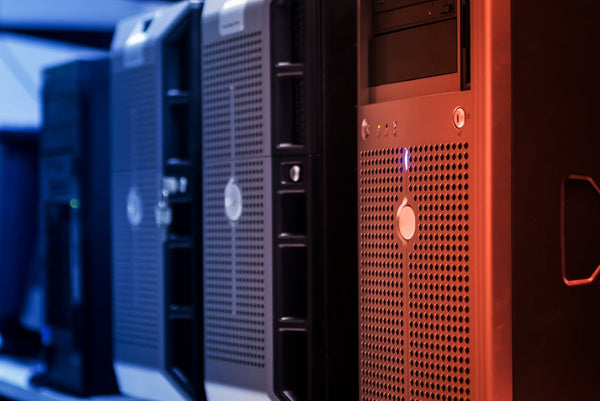
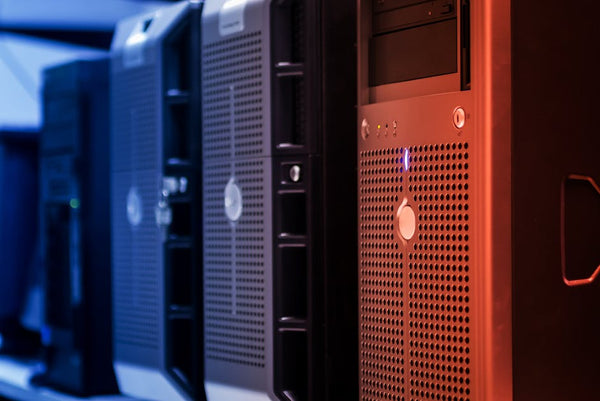
But here's where it gets interesting for us tech enthusiasts — the hardware requirements for these systems are no joke. We're talking about edge computing devices that need to process natural language in real-time while dealing with background noise from cars, music, and crying kids. That's some serious computational power sitting in a drive-thru box.
The Real Performance Numbers
McDonald's reported their AI system correctly took orders about 85% of the time during initial testing. That sounds decent until you realize that's like having your RAM fail 15% of boot attempts. Would you tolerate that instability in your gaming rig?
The margin for error in food service is way lower than people think — one wrong order can ruin someone's entire lunch break.
White Castle claims their AI system has improved order accuracy to 95%. Now we're talking. That's like overclocking your CPU and actually getting stable performance gains instead of blue screens.
Where This Gaming Technology Revolution Is Really Heading
Drive-thrus are just the beta test. The real endgame? AI is coming for every customer interaction you can imagine. Think about how ray tracing started in high-end cards and now even mid-range GPUs can handle it.
I was chatting with a customer at our TieredUp Tech shop in Orange, TX last week about building a streaming setup, and we got to talking about how AI voice processing has exploded. The same neural network architectures powering these drive-thru bots are being adapted for everything from customer support to virtual assistants that actually understand context.
The Hardware Implications Nobody's Talking About
What's wild is how this affects the entire supply chain. These AI deployments need serious computing power at the edge. We're not talking about cloud processing with 200ms latency — customers won't wait for their order to bounce off a server in Virginia.
Local processing means every drive-thru location needs hardware that can run inference models locally. Think about it like this: every McDonald's is basically getting a mini gaming rig optimized for AI workloads instead of framerates.
The demand for specialized AI chips is going through the roof. NVIDIA's not just selling to crypto miners and gamers anymore — they're selling to burger joints. That's genuinely insane when you think about it.
What This Means for Regular Consumers
Personally, I think we're about to see AI integration accelerate in ways that'll make the smartphone revolution look slow. But here's my hot take: most people aren't ready for how quickly this is going to change everyday interactions.
Remember when online shopping felt weird and impersonal? Now ordering from Amazon is more convenient than going to physical stores for most people. AI customer service is heading down the same path.
The difference is speed. We went from dial-up internet to broadband over several years. This AI transition is happening in months, not decades. Companies that don't adapt are going to get left behind harder than Intel when AMD dropped Ryzen.
The Gaming Connection You Didn't Expect
Here's where it gets really interesting for gamers and tech enthusiasts. The same processing architectures handling drive-thru orders are perfect for local AI gaming features. Imagine having an AI dungeon master for D&D campaigns that runs entirely on your local hardware, or NPCs in games that actually remember your previous conversations across sessions.
NVIDIA's RTX 4070 and above can already handle decent AI workloads locally. Build your custom gaming PC with BitCrate and you're not just getting a gaming machine — you're getting AI-ready hardware that could power the same voice processing tech McDonald's is using.
The line between gaming hardware and business AI infrastructure is blurring fast. That's actually pretty exciting if you ask me.
The Reality Check Nobody Wants to Hear
But let's be real for a second. Not every AI implementation is going to be smooth. Remember Windows Vista? Sometimes new technology gets rushed to market before it's actually ready.
I'm genuinely torn on whether this rapid deployment is smart or reckless. On one hand, fast iteration helps improve these systems quickly. Customer complaints about wrong orders provide real training data that improves accuracy.
On the other hand, one viral TikTok of an AI completely butchering someone's order could tank public perception for years. It's like launching a game with gamebreaking bugs — sometimes the damage to reputation outlasts the actual problems.
The Job Market Reality
Let's address the elephant in the room. Yes, AI drive-thru systems will eliminate some jobs. That's not debatable. But here's what's also true — the tech industry is creating new roles faster than traditional industries are losing them.
Someone has to maintain these AI systems. Someone has to train the models. Someone has to troubleshoot when Karen's complicated order breaks the neural network. Those are tech jobs that didn't exist five years ago.
Will displaced drive-thru workers transition into AI maintenance roles? Honestly, probably not directly. But the broader tech industry growth creates opportunities elsewhere in the economy. It's messy and complicated, which is why simple hot takes about AI being purely good or bad usually miss the mark.
The Next Wave Is Already Here
Drive-thru AI isn't the end goal — it's literally just the beginning. Retail stores are testing AI shopping assistants. Banks are deploying AI tellers. Even government services are experimenting with AI customer support.
The pattern is clear: any customer interaction that follows predictable patterns is getting automated. Just like how we automated manufacturing, then logistics, now it's customer service getting the full AI treatment.
What's next? Probably AI personal shopping assistants that know your preferences better than you do. AI travel agents that can book entire vacations based on a casual conversation. AI financial advisors that optimize your spending in real-time.
Sounds like science fiction? So did voice-controlled ordering at McDonald's five years ago. The future is arriving faster than anyone predicted, and tbh, most people aren't paying attention to how quickly things are changing.
The companies adapting to AI integration now are positioning themselves like early crypto adopters — they're going to have massive advantages over competitors who wait. And for consumers? We're about to live in a world where talking to AI becomes as normal as using Google. That shift starts at the drive-thru, but it definitely doesn't end there.
























Leave a Comment