


Critical Infrastructure Security: What PC Components and Gaming Hardware Can Learn from Finland's Undersea Cable Attack
Finland just wrapped up a criminal investigation that's got me thinking about something way bigger than just damaged cables. Four suspects have been identified in the December 31st undersea telecommunications cable attack in the Gulf of Finland, and prosecutors are now deciding whether to press charges. But here's the kicker - this whole situation screams lessons for us in the PC components and gaming hardware world.
Think about it like this: those undersea cables are basically the ethernet backbone of entire countries. They're the legendary cards of international internet infrastructure. And when someone messes with them? The whole meta shifts.
Why Gaming Hardware Security Matters More Than You Think
Remember when everyone thought supply chain attacks were just corporate paranoia? Yeah, that aged like milk. The Finland cable situation isn't just some random act of vandalism - it's a coordinated attack on critical infrastructure that keeps our digital world spinning.
Your gaming rig depends on this stuff more than you realize. Those Steam downloads? That Discord voice chat during raid night? The real-time stock updates when you're hunting for RTX 4090s at MSRP? All of it flows through infrastructure that's apparently vulnerable enough for four people to mess with.
Hot take: we've been so focused on securing our individual systems that we've ignored the bigger picture. It's like spending $500 on RGB RAM while running Windows 7 - you're missing the foundation.
The Physical Layer Nobody Talks About
Here's something that hit me while I was helping a customer at our shop in Orange, TX configure their build last week. They wanted military-grade security software, VPNs, the works. But they hadn't thought once about the physical infrastructure their packets travel through.
Those cables sitting on the ocean floor? They're basically undefended. No respawn points. No backup plans beyond "hope nothing bad happens." Meanwhile, we're over here debating whether our motherboards have TPM 2.0 support.
The irony is thick. We'll spend hours researching which CPU cooler has the best thermal performance, but we trust our internet to cables that apparently four random people can just... damage? That's not exactly what I'd call enterprise-grade reliability.
What This Means for PC Components Supply Chains
Let's talk real numbers for a second. When those Finland cables got hit, it wasn't just email that slowed down. Manufacturing coordination, shipping logistics, component availability tracking - all of that depends on rock-solid international data connections.
Remember the great GPU shortage of 2021-2022? Part of that chaos came from communication breakdowns between manufacturers, distributors, and retailers. Now imagine if those communication channels got intentionally disrupted.
Personally, I think we're one major infrastructure attack away from seeing component prices spike worse than a Black Lotus reprint announcement. The just-in-time manufacturing that keeps our favorite gaming hardware affordable? It's built on the assumption that data can flow freely 24/7.
The Domino Effect on Gaming Hardware
Picture this scenario: coordinated attacks on multiple undersea cables simultaneously. Suddenly, TSMC can't coordinate with their global supply chain effectively. NVIDIA's driver updates crawl to a halt. Steam's CDN starts having issues syncing content globally.
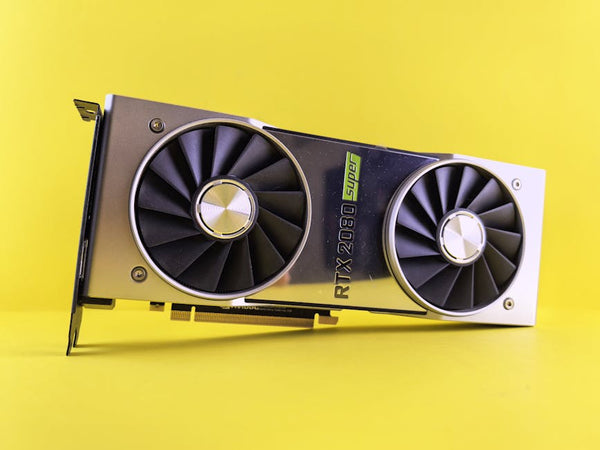
That RTX 4080 Super you've been eyeing? The price might jump 30% overnight because the manufacturer can't get real-time pricing data from their distributors. Your favorite mechanical keyboard's firmware update? Delayed indefinitely because the company's international servers can't sync.
This isn't science fiction. This literally just happened to Finland, and four people apparently thought it was a good idea to mess with cables that entire countries depend on.
Building Resilient Gaming Setups in an Unreliable World
So what can we actually do about this? Besides writing angry posts on Reddit, I mean.
First, redundancy becomes king. Multiple internet connections aren't just for streamers anymore. If you're serious about gaming availability, having a backup connection through a different provider (and ideally different physical infrastructure) isn't overkill - it's smart planning.
Second, local storage makes a comeback. Remember when we used to actually own our games? When everything was shifting to cloud-based everything, attacks like this make local game libraries look pretty appealing. That 4TB NVMe SSD suddenly seems less like luxury and more like insurance.
The Hardware Perspective
From a pure PC components angle, this situation reinforces why diverse sourcing matters. When I'm helping customers build their custom gaming PC with BitCrate, we always discuss component origins and supply chain resilience.
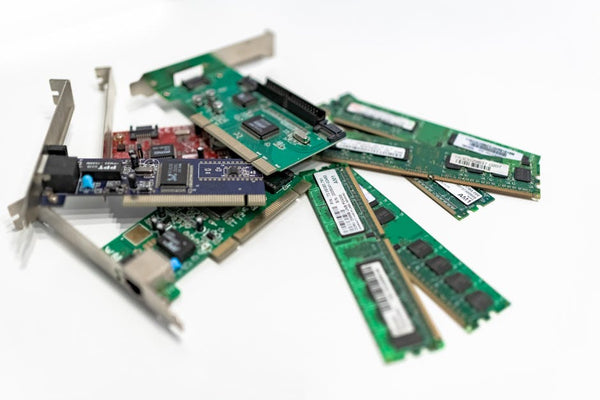
You want memory modules from different manufacturers? Smart. CPU and motherboard from companies with different geographical dependencies? Even smarter. It's like not putting all your rarest cards in the same deck box.
But honestly? There's only so much individual preparation can do when the problem is systemic infrastructure vulnerability. We can't all run our own undersea cables.
The Bigger Picture: Infrastructure as a Gaming Issue
This Finland situation should be a wake-up call for everyone in the gaming and tech space. We've gotten comfortable assuming the internet just works, that global supply chains just flow, that critical infrastructure just... exists reliably.
Spoiler alert: it doesn't.
Four people just proved that some of the most critical infrastructure on the planet is surprisingly vulnerable to relatively simple attacks. That's not exactly confidence-inspiring for an industry that depends on global coordination for everything from component manufacturing to game distribution.
The gaming community has always been early adopters of technology and creative problem-solvers. Maybe it's time we started thinking about infrastructure resilience the same way we think about optimal PC builds - with redundancy, performance under stress, and plans for when things go wrong.
The investigation in Finland shows that even the most critical infrastructure can be targeted by just a handful of individuals with apparently modest resources.
What happens when it's not four people, but four hundred? Or when the targets aren't just communication cables, but the manufacturing facilities that produce our favorite computer parts?
Tbh, this whole situation has me rethinking how we approach system resilience. Not just individual PC builds, but the entire ecosystem we depend on for gaming, content creation, and digital life in general.
The prosecutors in Finland will decide whether those four suspects face charges. But regardless of that outcome, the vulnerability they exposed isn't going anywhere. And that's something every gamer, every PC builder, every tech enthusiast needs to start taking seriously - because next time, it might not just be Finland's problem.

















Leave a Comment