


China's GPU-Free Gaming Revolution: Can 2.4 Million CPU Cores Beat Your RTX 4090?
China just dropped the mic on US GPU sanctions. Hard.
Their new LineShine supercomputer packs 1.54 exaflops of computing power using zero GPUs. Instead? They crammed 2.4 million Huawei-designed Armv9 cores into this absolute unit. No NVIDIA. No AMD. Just pure CPU muscle flexing on American hardware restrictions.
But here's the real question that's been eating at me since this news broke: could this CPU-only approach actually work for gaming? I've been building rigs for years here at TieredUp Tech in Orange, TX, and I've never seen anything this bonkers.
The LineShine Beast: What We're Actually Looking At
China's National Supercomputing Center in Shenzhen basically said "hold my tea" and built Fugaku's little brother. Remember Japan's Fugaku? That thing dominated the TOP500 list for years running on Fujitsu's A64FX processors. China took notes.
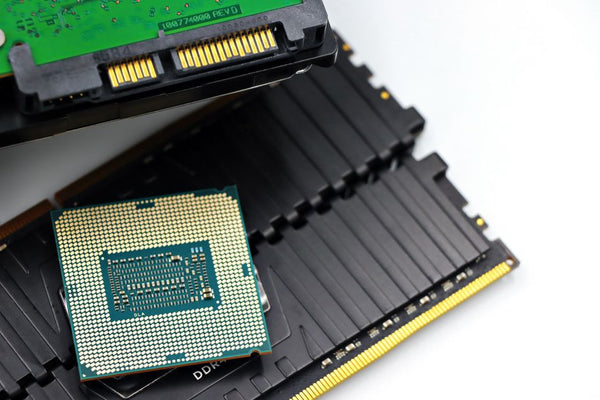
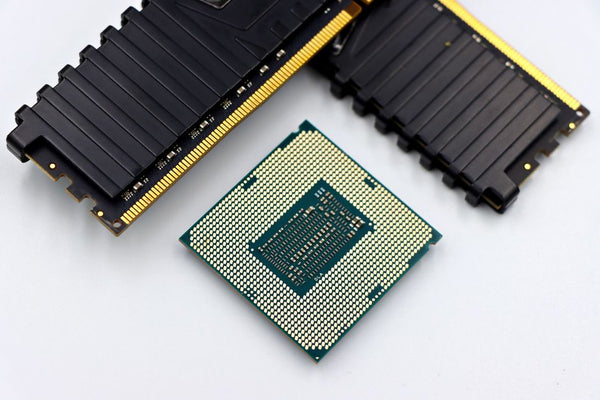
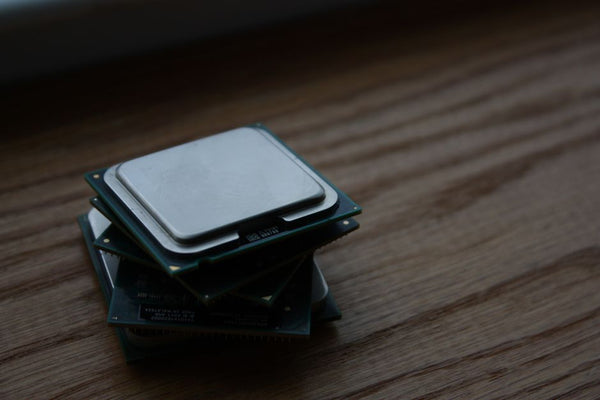
LineShine rocks 2.4 million LineShine LX2 cores. These aren't your typical x86 chips. We're talking Armv9 architecture designed completely in-house by Huawei. Zero American IP. Zero licensing headaches.
1.54 exaflops of peak performance from CPU-only architecture
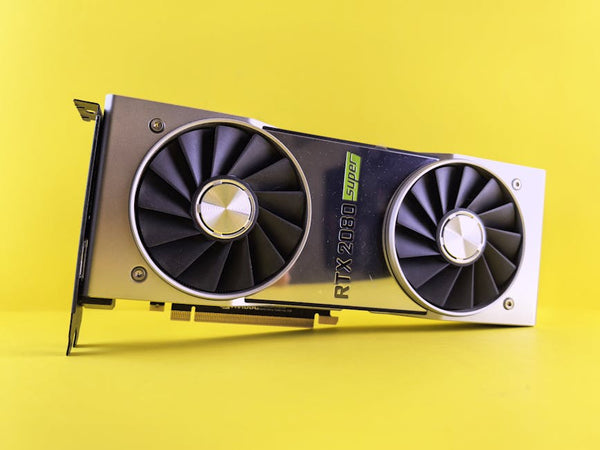
That's roughly equivalent to 1,540,000 teraflops. For context? Your RTX 4090 pushes about 165 teraflops in AI workloads. This thing could theoretically run over 9,000 RTX 4090s worth of compute.
Honestly, those numbers make my head spin. But let's talk real-world applications.
Gaming Performance Reality Check
Could you game on this monster? Technically yes. Practically? Nah.
Supercomputers aren't built for gaming. LineShine's architecture optimizes for parallel scientific workloads, not pushing frames in Valorant. The latency would be absolutely horrible for competitive gaming. We're talking milliseconds vs microseconds here.
But there's something interesting happening. Game engines are getting crazy good at utilizing multiple CPU cores. Unreal Engine 5's Lumen and Nanite systems can scale across dozens of cores. Cyberpunk 2077 with ray tracing maxed hits 16+ cores hard on high-end systems.
What if someone built a gaming-focused CPU cluster? Not gonna happen, but it's fun to think about.
The Real Gaming Hardware Impact
This LineShine situation isn't really about gaming performance. It's about market dynamics that could seriously mess with PC components pricing.
China's proving they don't need American GPUs for high-performance computing. That's huge. NVIDIA's been printing money from their H100 and A100 datacenter cards. If China develops competitive alternatives, that changes everything.
Hot take: This could actually benefit gamers long-term. Here's why.
Right now, NVIDIA charges premium prices for gaming GPUs partly because they have datacenter money backing them up. RTX 4090s cost $1,600+ because NVIDIA knows their datacenter cards sell for $30,000+. That premium trickles down.
If China builds competitive datacenter hardware without American components, it fragments the market. Less datacenter revenue for NVIDIA means more focus on gaming cards. Competition drives prices down.
Maybe. I'm honestly not sure how this plays out long-term.
CPU Gaming Renaissance?
LineShine's approach got me thinking about CPU-focused gaming builds. Most gamers obsess over GPUs while running potato CPUs. That's usually smart - games are GPU-bound.
But some scenarios flip that script entirely:
- Simulation games like Cities Skylines 2 absolutely crush high-core-count CPUs
- Strategy games with massive unit counts scale beautifully across multiple cores
- Streaming while gaming needs serious CPU horsepower
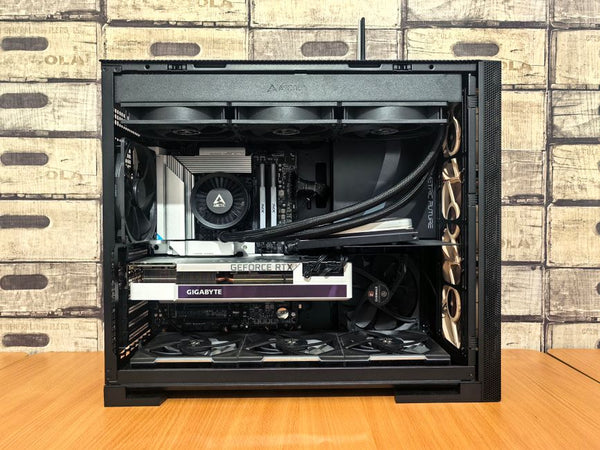
I've helped customers shop GPUs who ended up CPU-bottlenecked anyway. Guy comes in wanting an RTX 4080, running it with an Intel i5-8400. That's not gonna work, chief.
China's LineShine demonstrates what happens when you throw cores at problems instead of specialized silicon. Sometimes that works better than expected.
Gaming Hardware Lessons from Supercomputing
The LineShine project teaches us something important about gaming hardware philosophy. Specialization isn't always better.
GPUs dominate gaming because they're specialized for parallel graphics workloads. But games are evolving. Modern engines handle physics, AI, world simulation, networking - stuff that doesn't necessarily need graphics cores.
AMD's been pushing this angle with their Ryzen CPUs. More cores, better multitasking, competitive gaming performance. Intel fought back with hybrid architectures mixing performance and efficiency cores.
Personally, I think we're heading toward more balanced systems. Not LineShine-level balanced - that's overkill. But the days of pairing 4-core CPUs with flagship GPUs are over.
Future gaming rigs might look more like workstations. 16+ cores standard. GPUs still important but not completely dominant. Distributed computing becomes normal for gaming.
The Latency Problem Nobody Talks About
LineShine's biggest gaming weakness isn't raw performance - it's latency. Supercomputers optimize for throughput, not response time. Gaming needs both.
Your mouse click needs to register in under 1ms for competitive gaming. Even 5ms feels sluggish in Apex or CS2. LineShine's architecture would add dozens of milliseconds just coordinating between cores.
That's why gaming hardware stays relatively simple. Sure, we want more cores, but we also need those cores talking to each other instantly. Complexity kills latency.
Could China build gaming-optimized CPU clusters? Maybe. Would they beat current GPU+CPU combinations? Doubtful. At least not without completely rethinking how games work.
What This Means for Your Next Build
Should LineShine influence your gaming PC decisions? Not directly. But it highlights some trends worth considering.
First, CPU core counts keep climbing. Games are finally using them. Don't cheap out on your processor thinking "games only use 4 cores" anymore. That's 2015 thinking.
Second, consider your workload mix. If you're streaming, content creation, or running multiple games simultaneously, CPU power matters more than pure gaming benchmarks suggest.
Third, watch for ARM gaming developments. LineShine uses Armv9 cores. Apple's M-series chips prove ARM can compete in consumer applications. Windows on ARM keeps improving. Could ARM gaming PCs become viable?
Probably not this generation. Maybe next.
The real takeaway? China's willing to go completely off-script when blocked from traditional hardware. That creates opportunities for innovation that might eventually trickle down to gaming.
LineShine won't run Cyberpunk at 4K 240fps. But it proves there's more than one way to build a computational monster. Sometimes the best solution isn't the obvious one.
Now if you'll excuse me, I need to go explain to another customer why their 6-year-old CPU bottlenecks their shiny new GPU. Some lessons take time to sink in.
















Leave a Comment