


Asus Enters the RAM Market with $880 DDR5 Kit While RTX 5070 Ti Suddenly Looks Reasonable
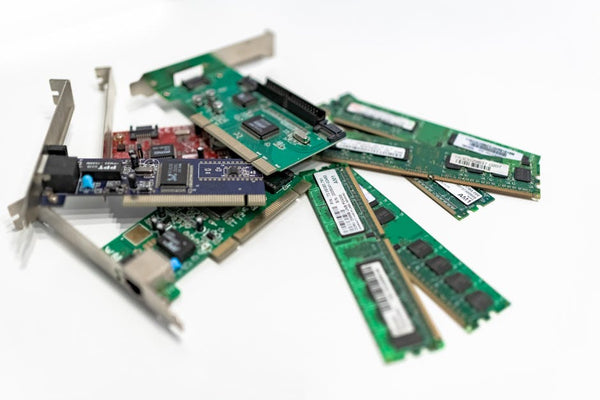
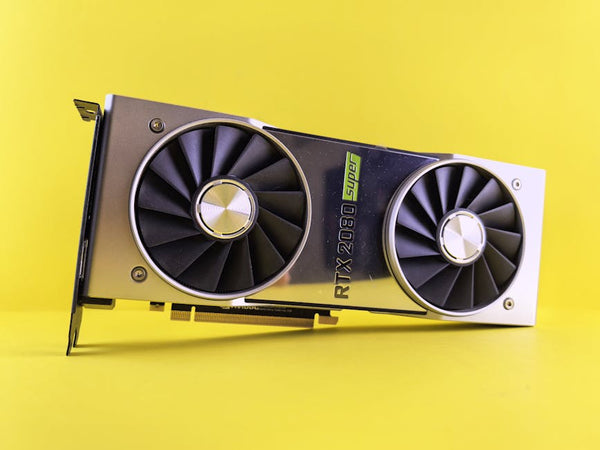
The memory shortage hits different when PC components cost more than your monthly rent. Asus just dropped their first DDR5 kit during the worst RAM shortage in history, and honestly? The ROG "幻刃" DDR5 RGB 20th Anniversary Edition at $880 makes NVIDIA's RTX 5070 Ti pricing look downright generous.
We're living in some twisted timeline where 48GB of RAM costs nearly nine hundred dollars. That's not a typo. That's Asus saying "welcome to 2026, your gaming hardware budget is about to get wrecked."
The $880 Reality Check: When RAM Costs More Than Your GPU
Let's break this down real quick. The RTX 5070 Ti launched at $799. Expensive? Absolutely. But now we've got Asus charging $880 for memory sticks. That's $18.33 per gigabyte of DDR5.
Remember when 32GB DDR4 kits were hitting $200-300? Those days are dead. Buried. Gone forever.
This isn't just about Asus flexing their "anniversary edition" markup either. The entire memory market is absolutely busted right now. Supply chain issues, manufacturing bottlenecks, and demand from AI companies have created the perfect storm. Gaming hardware enthusiasts are getting squeezed hard.
Hot take: Asus picked the worst possible time to enter the RAM game. Or the best time, depending on how you look at profit margins.
Why 48GB Though?
The 48GB configuration is weird but strategic. It's not 32GB (which most gamers need) and it's not 64GB (which content creators want). It's this awkward middle ground that screams "we're targeting people who want bragging rights."
For gaming? Completely overkill. Cyberpunk 2077 with RTX maxed uses maybe 16GB on a bad day. Call of Duty's getting chunky at around 12-14GB with all the texture packs. You'd need to run three different games simultaneously while streaming and editing 4K footage to justify 48GB.
But here's where it gets interesting - that extra 16GB might actually matter for future titles. Unreal Engine 5 games are already pushing boundaries, and if you're planning a build that'll last until 2030, maybe this isn't completely insane?
RGB Tax in a Memory Crisis
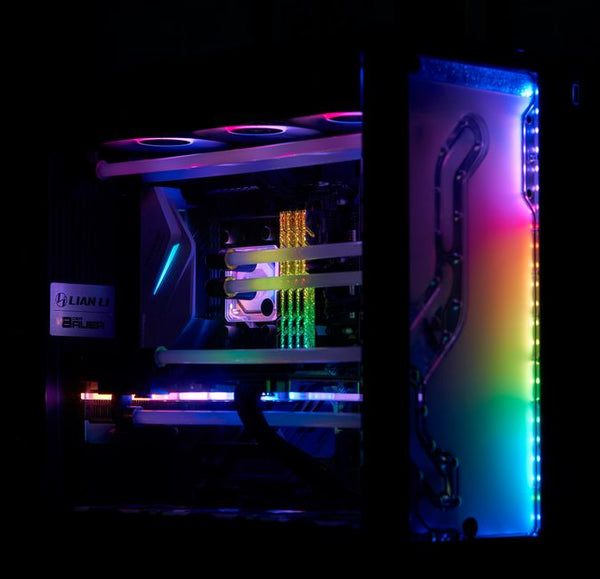
The RGB lighting on these sticks is honestly pretty clean. The "幻刃" (phantom blade) aesthetic hits different, and the 20th anniversary branding gives them some collectible appeal. But we're paying RGB tax during a memory shortage. That's like ordering premium gas during an oil crisis.
Personally, I think Asus missed the mark here. When I'm working with customers at our shop here in Orange, TX, they're asking about budget builds that can actually run modern games. Nobody's walking in asking for nearly-$900 memory kits when bread-and-butter DDR5-5600 is already pushing $300 for decent 32GB.
The timing just feels tone-deaf. Release your premium anniversary edition when the market recovers, not when people are already getting priced out of enthusiast builds.
Performance Expectations vs Reality
These sticks supposedly hit DDR5-6400 speeds with tight timings. That's solid performance, no doubt. But here's the thing about RAM speed in gaming - diminishing returns hit hard after DDR5-5600.
You might see 3-5% performance gains going from DDR5-5600 to DDR5-6400 in CPU-bound scenarios. Is that worth the massive price premium? For competitive FPS where every frame matters, maybe. For most gaming? Absolutely not.
Frame time consistency matters more than raw speed anyway. I'd rather have stable DDR5-5600 than expensive DDR5-6400 that causes stability issues when pushing overclocks.
Market Comparison: How Bad Is It Really?
Let's put this pricing in perspective with other gaming hardware purchases:
- RTX 5070 Ti: $799 - gives you raytracing and 4K gaming capability
- AMD 9800X3D: $479 - best gaming CPU on the market
- Asus ROG DDR5 kit: $880 - stores your games in memory slightly faster
The value proposition is completely backwards. You're spending more on RAM than your processor, and nearly as much as your graphics card. That's a sign the market has lost its mind.
Even high-end DDR4 never hit these price-to-capacity ratios during its worst shortages. We're in uncharted territory where shopping for GPUs feels reasonable compared to memory shopping.
The Broader Memory Shortage Context
This isn't just an Asus problem. Samsung, SK Hynix, and Micron are all struggling with capacity constraints. AI training farms are buying massive amounts of high-speed memory, leaving scraps for the consumer market.
DDR5 adoption was supposed to democratize faster memory speeds. Instead, we've got a two-tier market where budget builders stick with DDR4 longer, and enthusiasts pay luxury car prices for decent DDR5 kits.
The shortage is expected to continue through 2026, possibly into early 2027. Translation: these prices aren't coming down anytime soon.
Should Anyone Actually Buy This?
Look, if you've got money to burn and want the bragging rights, these Asus sticks will probably perform well. The build quality should be solid, the RGB is clean, and you'll have a conversation starter.
But for 99% of gamers? This is a hard pass. Take that $880 and put it toward a better GPU, or save it for when memory prices hopefully normalize. Your gaming experience won't suffer with cheaper DDR5-5600 32GB kits.
The only scenario where this makes sense is if you're building an absolute halo system where cost isn't a factor. Think custom loop cooling, RTX 5090, top-tier everything. Even then, I'd question whether that extra 16GB is worth the premium.
Asus is testing what the market will bear during a shortage. Whether anyone actually pays $880 for 48GB of RAM will determine if other manufacturers follow suit with similarly priced premium kits. Here's hoping the answer is "absolutely not" so we can get back to reasonable pricing sometime before 2030.












Leave a Comment