


AI Data Centers Are Draining Your Water (And Why Your Gaming PC Components Matter More Than Ever)
Remember when I used to tell customers at our shop that their biggest worry was whether their RTX 4090 would spike their electric bill? Those were simpler times. Now we've got AI data centers literally sucking entire towns dry — and somehow officials are just shrugging it off like it's no big deal.
This story broke my brain a little. Some massive AI facility managed to guzzle 29 million gallons of water over 15 months before anyone even noticed. Twenty-nine million gallons! That's enough water to fill about 44 Olympic swimming pools, and residents only figured it out because their shower pressure started sucking.
But here's the kicker — officials refuse to fine this 6.2 million-square-foot facility. Refuse. Meanwhile, I bet if you or I forgot to pay our $50 water bill, we'd get a shutoff notice faster than you can say "RTX 4090."
The Real Cost of AI Gaming Hardware Demands
QTS claims this water went toward "temporary construction activities" — concrete work, dust control, site prep. Temporary my ass. When I worked at GameStop, we used to joke about customers who'd return obviously used games claiming they were "just testing them." This feels similar, except instead of a $60 game, we're talking about enough water to supply a small city.
What really gets me fired up? This directly impacts us PC builders. Think about it — every major GPU manufacturer is pivoting hard toward AI chips. NVIDIA's already prioritizing their H100s and A100s over consumer graphics cards. AMD's doing the same with their Instinct series. Intel's throwing everything at Gaudi processors.
Where does that leave gamers looking for solid PC components? Fighting over scraps while these massive facilities vacuum up resources like they're playing Katamari Damacy with our infrastructure.
Why Your Local Gaming Build Matters More Now
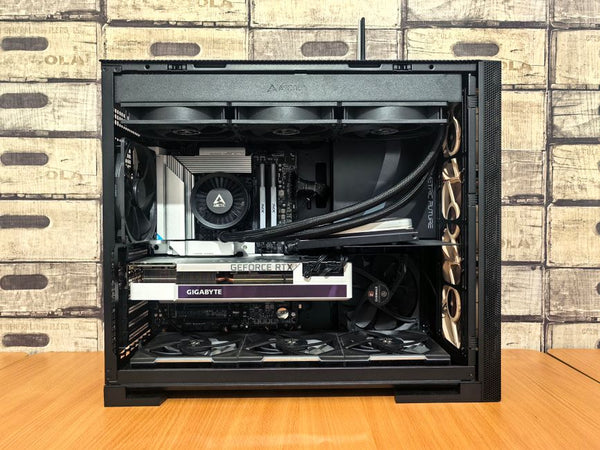
Honestly, this whole situation makes me appreciate smaller-scale builds even more. When someone walks into our Orange, TX shop asking about a gaming rig, I'm not just helping them pick components anymore — I'm helping them avoid the AI arms race entirely.
Hot take: the best gaming PC you can build right now isn't about chasing the absolute bleeding edge. It's about finding that sweet spot where you get incredible performance without feeding into this resource-hungry monster that's literally draining our communities dry.
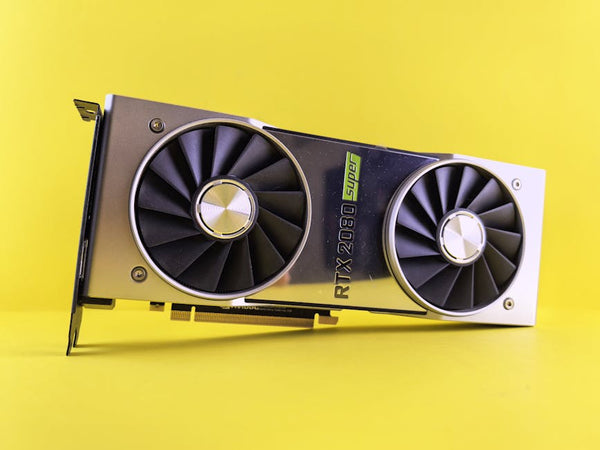
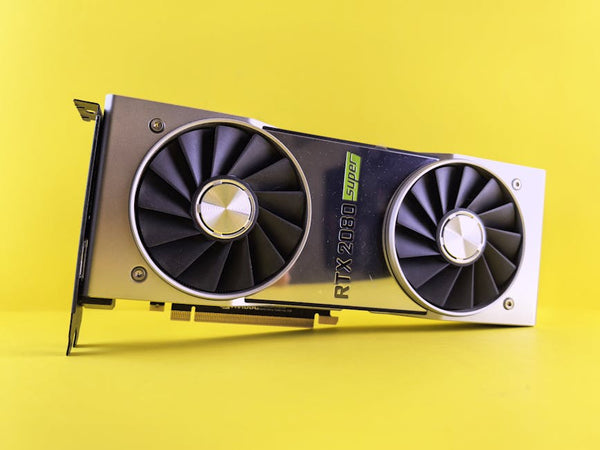
Take the RTX 4070 versus the 4090. Sure, the 4090 crushes everything at 4K. But it also pulls 450 watts under load — nearly three times what the 4070 draws. Multiply that across millions of users, and suddenly you're looking at power consumption that rivals entire data centers.
PC Components That Actually Make Sense in 2024
This whole water controversy got me thinking about efficiency in ways I never considered before. Why are we all chasing these power-hungry monsters when there are genuinely solid alternatives that won't contribute to the problem?
The AMD Ryzen 7800X3D is probably the best example. This chip destroys Intel's 13900K in most games while sipping power like a responsible adult. When I help customers build their custom gaming PC with BitCrate, this CPU comes up constantly. It's efficient, runs cool, and doesn't require a nuclear reactor to feed it.
Same story with GPUs. The RTX 4060 Ti gets memed on for its 8GB VRAM, but honestly? For 1440p gaming, it's perfectly solid while using 165 watts max. Compare that to these AI training cards that can pull 700+ watts continuously. The math isn't even close.
The Water Problem Isn't Going Away
Here's what really bothers me about this whole situation — the complete lack of accountability. These facilities consume resources at an absolutely insane scale, get caught red-handed, and face zero consequences. Meanwhile, regular folks deal with water restrictions and rolling blackouts.
I had a customer last month who was worried about running his new gaming rig during peak summer hours because his utility company was threatening brownouts. This guy's entire system probably uses less power in a month than one of these AI servers burns through in an hour. The disconnect is wild.
Officials refuse to fine this massive facility over unauthorized consumption of 29 million gallons — enough water to supply thousands of homes for months.
What's the endgame here? Do we just keep letting these massive corporations drain our resources while regular people get squeezed? I'm genuinely asking because I don't see how this ends well for anyone who isn't a tech billionaire.
Building Smart vs Building Big
This controversy reinforces something I've believed for years — bigger isn't always better. The most satisfying builds I've helped with aren't the ones with dual RTX 4090s and custom loop cooling. They're the thoughtful ones where every component serves a purpose.
Micro-ATX builds are having a moment for good reason. Less material, smaller footprint, often better price-to-performance ratios. When resources are getting scarce, maybe we should embrace efficiency over excess?
Plus, let's be real — most gamers don't need flagship everything. A Ryzen 5 7600 and RTX 4060 Ti will crush 90% of games at 1440p high settings. That combo uses roughly 300 watts total under load. Compare that to the monster rigs influencers push on social media pulling 600+ watts just to hit slightly higher frame rates.
The Uncomfortable Truth About Gaming Hardware
I'll admit something that might sound weird coming from someone who sells computer parts — sometimes I wonder if we're all just contributing to the problem. Every GPU we buy, every high-end CPU, every RGB-everything build adds to the demand that's driving this resource consumption madness.
But then I remember the alternative. These AI data centers aren't going anywhere whether we buy gaming hardware or not. At least when someone builds a personal gaming rig, they're getting years of enjoyment from those components. These training facilities burn through resources to create chatbots that can barely write a decent email.
The water situation in this story isn't an isolated incident — it's a preview of what's coming. As AI demand explodes, these facilities are going to keep popping up everywhere, consuming resources at scales we can barely comprehend.
Maybe the real question isn't whether we should keep building gaming PCs. Maybe it's whether we can keep building them efficiently enough that regular people don't get completely priced out of computing power while corporations drain our infrastructure dry. Because honestly? That's looking more and more like the world we're heading toward, whether we like it or not.















Leave a Comment