


Anker's Custom AI Chip: Why This Tech News Actually Matters for Your Gaming Setup
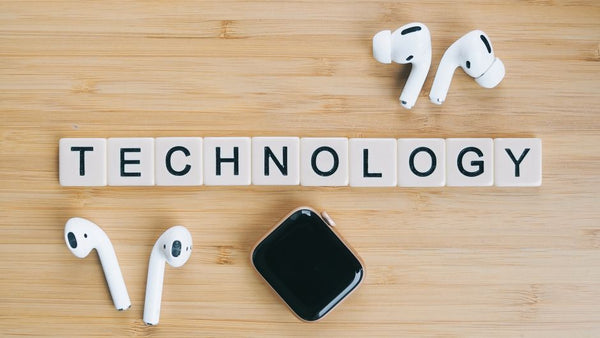
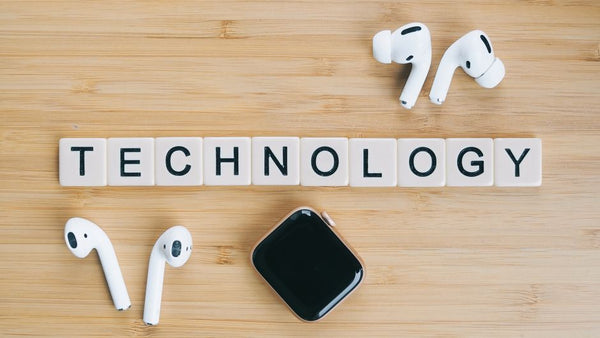
So Anker just dropped their own custom silicon called "Thus" and honestly? This isn't your typical corporate tech news fluff. We're talking about a neural-net compute-in-memory AI audio chip that's supposedly smaller and more power-efficient than anything else out there. But before you roll your eyes at another "AI everything" announcement, hear me out.
I've been building PCs for over a decade now, and I've seen enough BS marketing to spot it from orbit. When companies slap "AI" on literally everything these days, it's usually just software doing basic pattern recognition. This Actually seems different. Anker's betting their reputation on bringing local AI processing to audio devices, mobile accessories, and IoT gear.
What Makes Anker's Thus Chip Different from the AI Hype Train
Let's cut through the marketing speak real quick. Most "AI-powered" peripherals you see are just running algorithms on existing processors. Your gaming headset saying it has "AI noise cancellation"? That's probably just software tweaks on a standard DSP.
Anker's approach is genuinely different. They built custom silicon specifically for neural network processing. The Thus chip uses compute-in-memory architecture, which means it processes data where it's stored instead of shuttling it back and forth between memory and processor. Think of it like having your RAM and CPU basically merged for specific AI tasks.
Why does this matter for your setup? Three words: latency, power, size.
Traditional AI processing either happens in the cloud (hello lag) or on your main processor (goodbye performance). This chip handles AI tasks locally without eating into your system resources. For gaming peripherals, that could mean noise cancellation that adapts in real-time without any noticeable delay.
The Technical Deep Dive (Without the Corporate Buzzwords)
Here's where it gets interesting from a hardware perspective. Compute-in-memory isn't exactly new – we've seen it in specialized applications. But Anker claims this is the first implementation specifically designed for audio processing in consumer devices.
Standard audio processing chips might use 50-100 milliwatts for basic AI features. Anker's saying their Thus chip does the same work at a fraction of that power draw. For wireless earbuds running off tiny batteries, that's huge. But for your gaming setup? It opens up possibilities we haven't seen before.
Imagine headphones that learn your specific hearing profile and automatically adjust EQ settings based on what game you're playing, all without connecting to the internet or hitting your PC's resources.
Gaming Technology Applications That Actually Make Sense
Alright, let's get real about what this could mean for gaming. I'm not talking about some pie-in-the-sky future nonsense. I'm talking about stuff that could hit shelves next year.
First up: adaptive audio processing. Your headset could analyze game audio in real-time and enhance specific frequency ranges for competitive advantage. Footsteps in CS2 getting drowned out by ambient noise? The chip could learn to boost that specific audio signature without you tweaking anything.
Second: true spatial awareness. Current "3D audio" is mostly just HRTF processing with some reverb thrown on top. With dedicated AI hardware, headphones could create personalized spatial profiles based on your actual ear shape and hearing characteristics.
Hot take: this could finally make wireless gaming headsets not suck for competitive play. The biggest issue with wireless audio for gaming isn't bandwidth – it's processing delay. If the AI chip handles all audio enhancement locally without involving your PC's audio pipeline, we might actually see sub-5ms total latency.
Beyond Audio: The IoT Integration Angle
Here's where Anker's really playing 4D chess. They're not just targeting headphones. They want this chip in charging stations, smart home devices, and mobile accessories.
Picture this scenario: you're deep in a ranked match, and your wireless mouse battery hits 15%. Instead of just showing a low battery warning, your Anker charging pad could automatically boost power delivery to your mousepad (assuming you've got a wireless charging mouse) based on your usage patterns. The AI learns when you typically game and preemptively manages power across all your peripherals.
Is this necessary? Probably not. Is it cool as hell? Absolutely.
I was helping a customer at TieredUp Tech in Orange, TX last week who wanted the most responsive setup possible for competitive gaming. We spent hours tweaking every millisecond of input lag. If Anker can deliver on their promises, we might be looking at peripherals that optimize themselves without manual tuning.
The Reality Check: Why I'm Cautiously Optimistic
Look, I've seen enough "revolutionary" peripheral announcements to maintain healthy skepticism. Remember when Razer claimed their Huntsman keyboards would give you superhuman reflexes? Yeah.
But Anker's track record is different. They're not a gaming company trying to sound technical. They're an engineering company that happens to make consumer products. Their PowerCore batteries and GaN chargers actually deliver on their specs, which is rare in this industry.
Personally, I think the Thus chip could be legit for a few reasons:
- Anker invested in custom silicon instead of just licensing existing chips
- They're targeting practical applications (audio processing) instead of vague "AI enhancement"
- The technical approach (compute-in-memory) solves real problems with current implementations
The big question is execution. Custom chips are expensive to develop and manufacture. Anker's betting they can hit price points that make sense for mainstream peripherals while delivering meaningful performance gains.
What This Means for Your Next Build
Should you hold off on buying that new headset? Probably not. The first Thus-powered devices won't hit market until late 2024 at earliest, and first-generation implementations are always rough.
But if you're planning a complete setup refresh in 2025, this is worth watching. The potential for truly integrated AI-powered peripherals that don't rely on cloud processing or eat your CPU cycles is genuinely exciting.
For anyone looking to build your custom gaming PC with BitCrate, keeping AI-ready hardware in mind might be smart future-proofing. Not because you need AI processing power from your PC, but because the best peripherals might start handling their own intelligence locally.
The Bigger Picture: Local AI vs Cloud Dependency
Here's what really gets me excited about this announcement – it's pushing back against the "everything in the cloud" trend that's been dominating tech for the past decade.
Gaming peripherals that require constant internet connection are garbage. Period. Your mouse shouldn't stop working because your wifi hiccupped. Your headset shouldn't have degraded audio quality because Amazon's servers are having a bad day.
Anker's betting on edge computing for consumer devices, and that's exactly what gaming needs. We want our peripherals to be smart, but we also want them to work when we're offline, when we're traveling, when our internet is being throttled by Comcast for the third time this month.
The Thus chip approach means AI features that work regardless of your connection status. That's not just convenient – it's necessary for competitive gaming where every variable you can control matters.
Will this force other peripheral manufacturers to develop their own custom AI chips? Probably not immediately. But if Anker delivers on their promises, companies like Logitech and SteelSeries are gonna feel some serious pressure to step up their hardware game beyond just RGB lighting and DPI marketing.
NGL, I'm more excited about this than I've been about peripheral tech in years. Finally, someone's trying to solve actual problems instead of just adding more buttons and rainbow effects. Whether they can actually deliver remains to be seen, but the technical approach is solid enough that I'm paying attention.



































Leave a Comment