


Top Dollar for Top Cache: AMD's Dual 3D V-Cache Ryzen 9 9950X3D Will Burn Your Wallet at $899
AMD just dropped a pricing bombshell that's got the gaming community split right down the middle. The new Ryzen 9 9950X3D with dual 3D V-Cache is launching at $899, and honestly? The internet's having a full meltdown about it. But before you join the pitchfork mob, let's talk about why this might actually be the smart buy for certain gamers.
The Sticker Shock is Real, But Here's the Math
Yeah, $899 hurts. That's iPhone money. That's "explain this to your significant other" territory. But when you break down what you're actually getting, the picture gets more interesting.
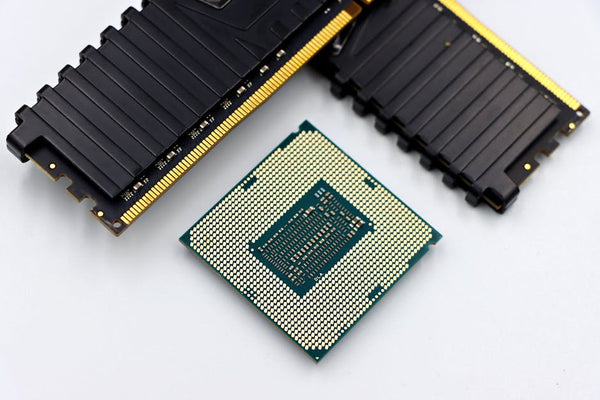
The 9950X3D packs dual CCDs with 3D V-Cache on both dies. That's not just marketing speak – we're talking about 192MB of total cache across 16 cores and 32 threads. For comparison, Intel's flagship i9-14900KS sits around $700-750 depending on where you shop, and it's getting absolutely demolished in gaming benchmarks by AMD's X3D lineup.
Personally, I think AMD knows exactly what they're doing here. They've got the gaming crown locked up tighter than a 240Hz monitor refresh rate, and they're pricing accordingly. When you're the undisputed king of gaming performance, you don't need to play the budget game.
Where This CPU Absolutely Dominates
Let's get specific about gaming performance, because that's what matters. Early benchmarks are showing 15-25% gains over the regular 9950X in cache-sensitive titles. We're talking about games like:
- Cyberpunk 2077 with RT enabled seeing 20+ fps improvements at 1440p
- CS2 maintaining 400+ fps averages where other CPUs start to stumble
- Tarkov's notorious stuttering issues practically disappearing
- Flight Sim 2024 actually running smoothly in dense city areas
But here's where it gets spicy. The dual 3D V-Cache design means both CCDs get the cache boost, not just one like previous generations. That solves the scheduler issues that plagued earlier X3D chips when Windows didn't play nice with the asymmetric design.
The "Bargain" Argument That's Actually Valid
Hot take: for streamers and content creators who game, $899 isn't just reasonable – it's cheap. Think about it. You're getting flagship gaming performance AND 16-core productivity muscle. Compare that to building separate systems or compromising on either gaming or work performance.
I was talking to a customer last week here at TieredUp Tech in Orange, TX who was torn between a 7800X3D for gaming and a 9950X for streaming. The 9950X3D solves that dilemma completely. No more choosing between smooth gameplay and clean stream quality.
For professional gamers and serious enthusiasts, the performance per dollar calculation changes completely when your setup directly impacts your income.
Plus, let's be real about the competition. Intel's 14th gen has been a disaster with instability issues that required BIOS updates and voltage limits. You want to trust your $3000+ gaming rig to a CPU that might randomly crash mid-stream? Nah, fam.
Who Should Actually Buy This Thing
This isn't for everyone, and AMD knows it. The 9950X3D targets a very specific buyer profile. You're probably a good fit if:
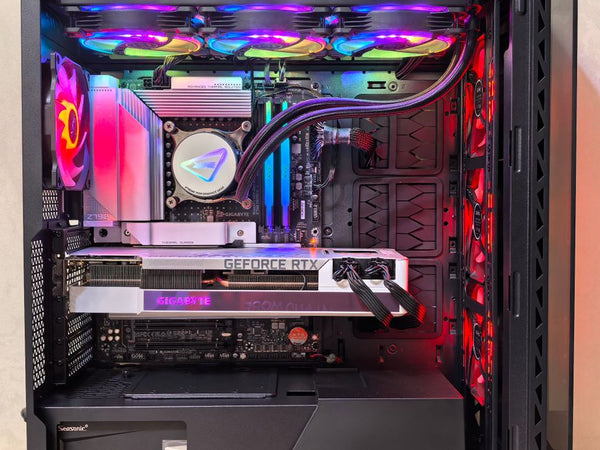
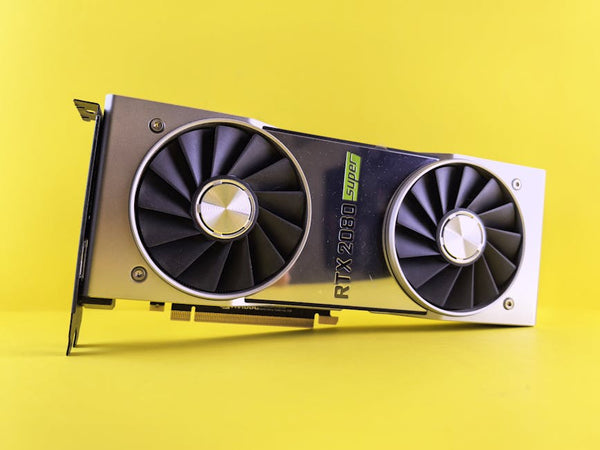
You're running 4K gaming with a 4090 or upcoming 5090. At those resolutions, CPU bottlenecks become real, and that extra cache makes a noticeable difference. The frame time consistency improvements alone justify the cost when you're pushing high-refresh 4K.
You stream or create content while gaming. The 16-core count handles encoding duties while the 3D V-Cache keeps your games butter-smooth. No more choosing between quality and performance.
You're building a system that needs to last 4-5 years without upgrades. Building a custom gaming PC around the 9950X3D means you're future-proofed for whatever games throw at you.
The Competition Just Can't Keep Up
Intel's in a tough spot right now. Their 14th gen launched with serious stability problems, and even after fixes, they're not competitive in gaming workloads. Arrow Lake was supposed to be the answer, but early reviews show it's still behind AMD's X3D chips in the games that matter.
The real kicker? Power consumption. The 9950X3D sips power compared to Intel's offerings. We're talking about 120W TDP versus Intel's 253W on the i9-14900K. That's not just better for your electricity bill – it means simpler cooling solutions and quieter systems.
But There Are Some Gotchas
Let me keep it 100 with you. The 9950X3D isn't perfect. AMD had to clock it slightly lower than the regular 9950X to manage thermals with all that cache. If you're doing pure productivity work with no gaming, the regular 9950X might actually be faster in some scenarios.
Also, AM5 platform costs add up. You're looking at $200+ for a decent X670E motherboard, and DDR5 still costs more than DDR4. The total system cost can easily hit $2000+ before you even add a GPU.
Is there a tiny part of me that wonders if AMD's getting a bit too comfortable with premium pricing? Maybe. But when you're delivering performance that the competition can't touch, market dynamics kick in.
Gaming Technology Evolution at Work
The 9950X3D represents something bigger than just another CPU launch. This is gaming technology evolving to meet the demands of modern titles that are increasingly cache-hungry and thread-aware.
Games like Baldur's Gate 3, Starfield, and upcoming titles built on Unreal Engine 5 absolutely demolish traditional CPU architectures. The massive cache pools help smooth out those nasty frame drops that turn smooth gameplay into stuttering messes.
This tech news isn't just about specs and benchmarks. It's about recognizing that the bar for high-end gaming performance has moved. What used to be "good enough" CPU performance won't cut it for the next generation of games.
$899 for the fastest gaming CPU on the planet? In a world where graphics cards cost $1600+, it's starting to make sense. AMD's betting that serious gamers will pay for proven performance, and honestly, they're probably right. The question isn't whether it's expensive – it's whether you need that level of performance badly enough to justify the cost.


















Leave a Comment